A 2026 guide to the best web scraping tools for building RAG-based AI applications - with key features, pros and cons, and directional pricing for Firecrawl,…
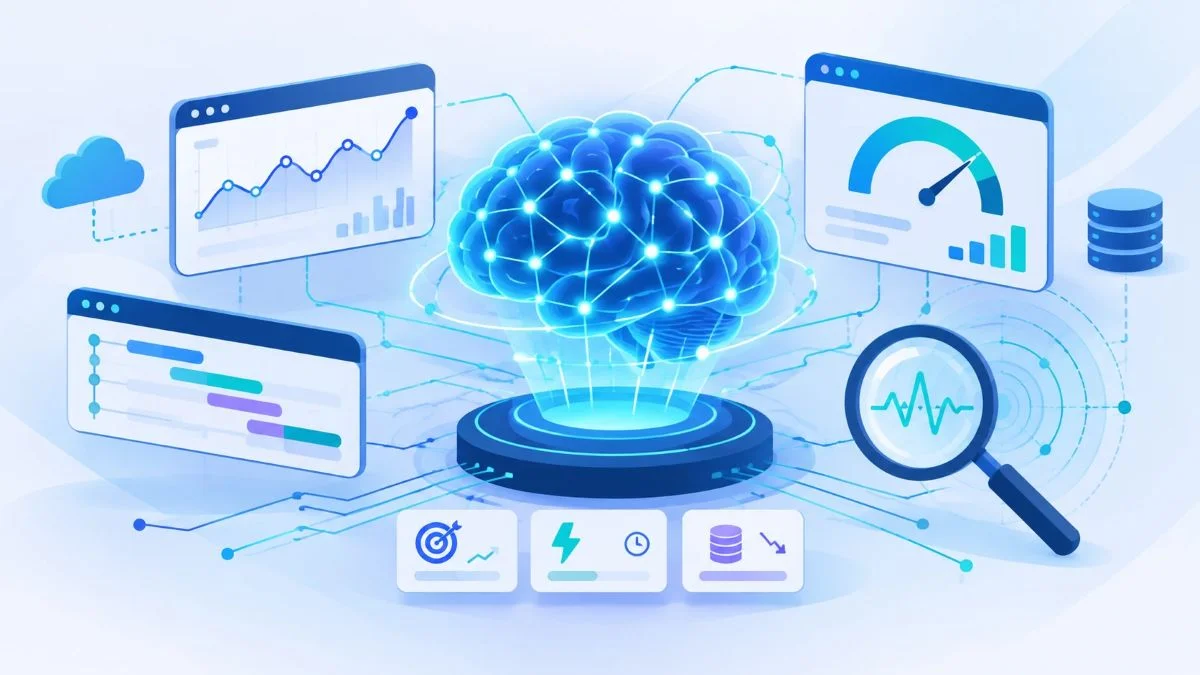
An in-depth 2026 guide to the best LLM evaluation and observability tools - what they do, how evaluation and observability differ, the metrics that matter, how…
An in-depth 2026 guide to the best AI chatbot platforms for websites - how they work, how to choose one, a detailed comparison of the top…
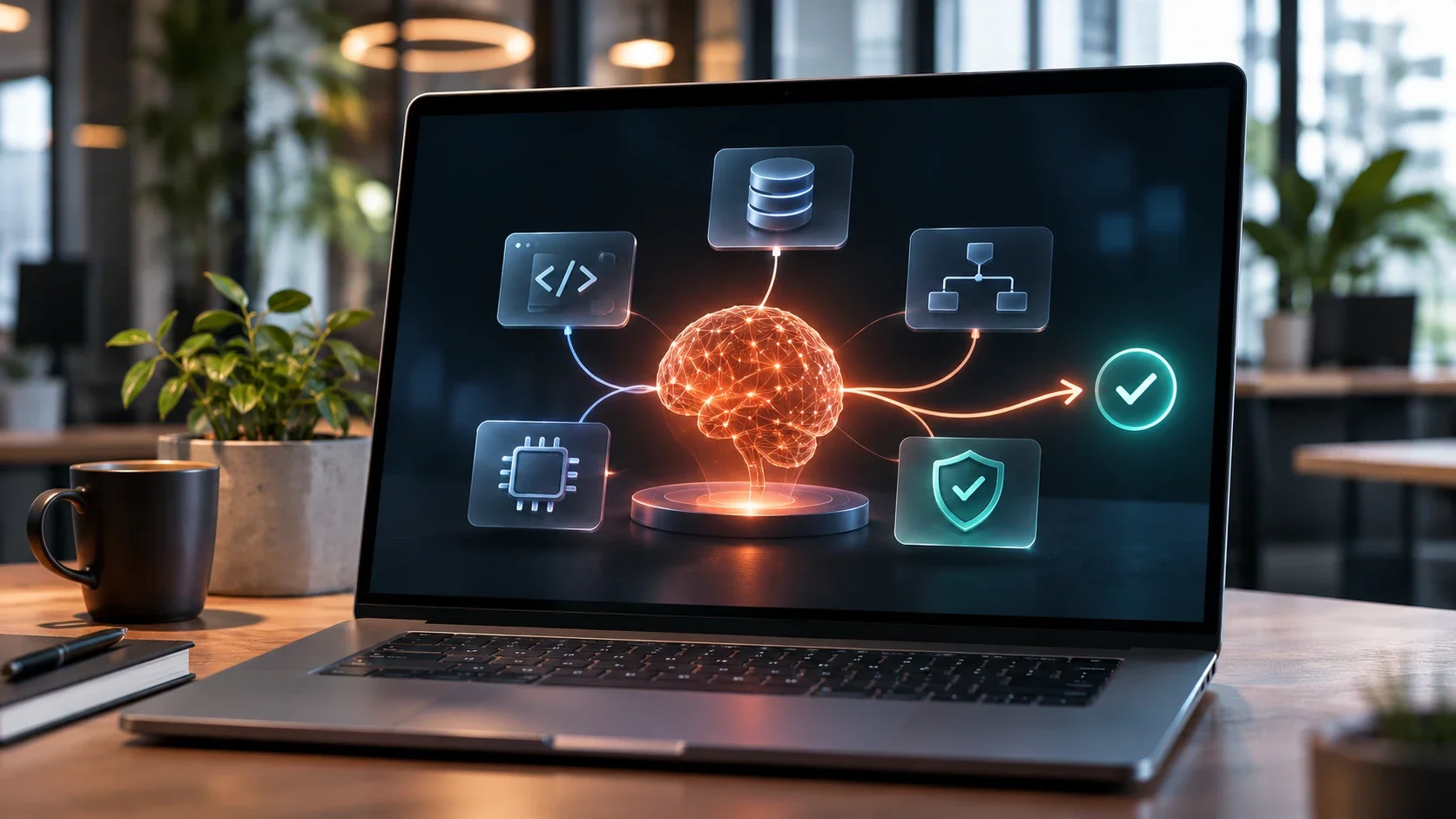
An AI agent is software that uses a language model to plan steps toward a goal and act through tools. Here is what agents are made…
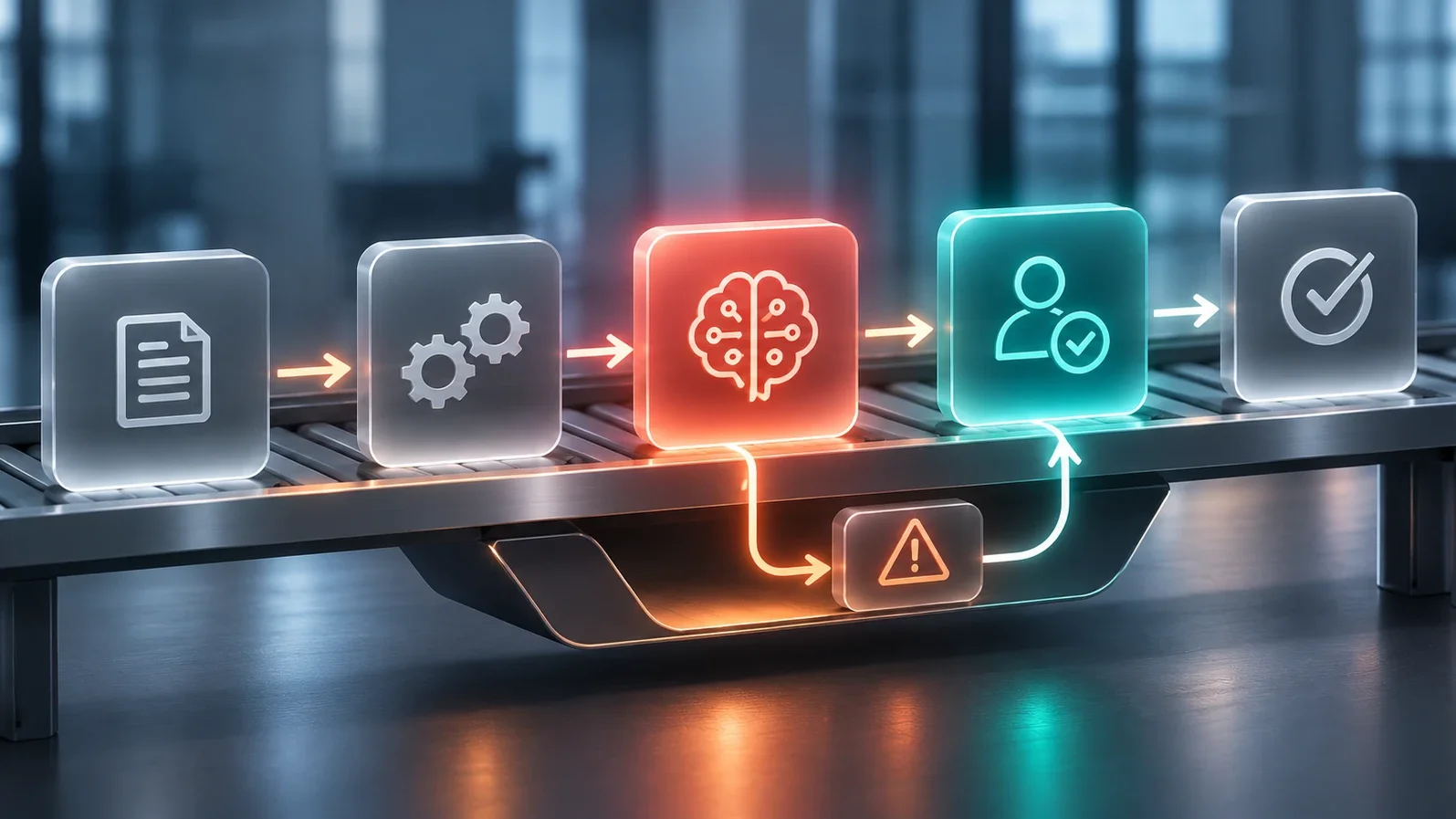
An agentic workflow lets an AI model decide some steps of a business process while rules handle the rest. How it differs from Zapier, n8n and…
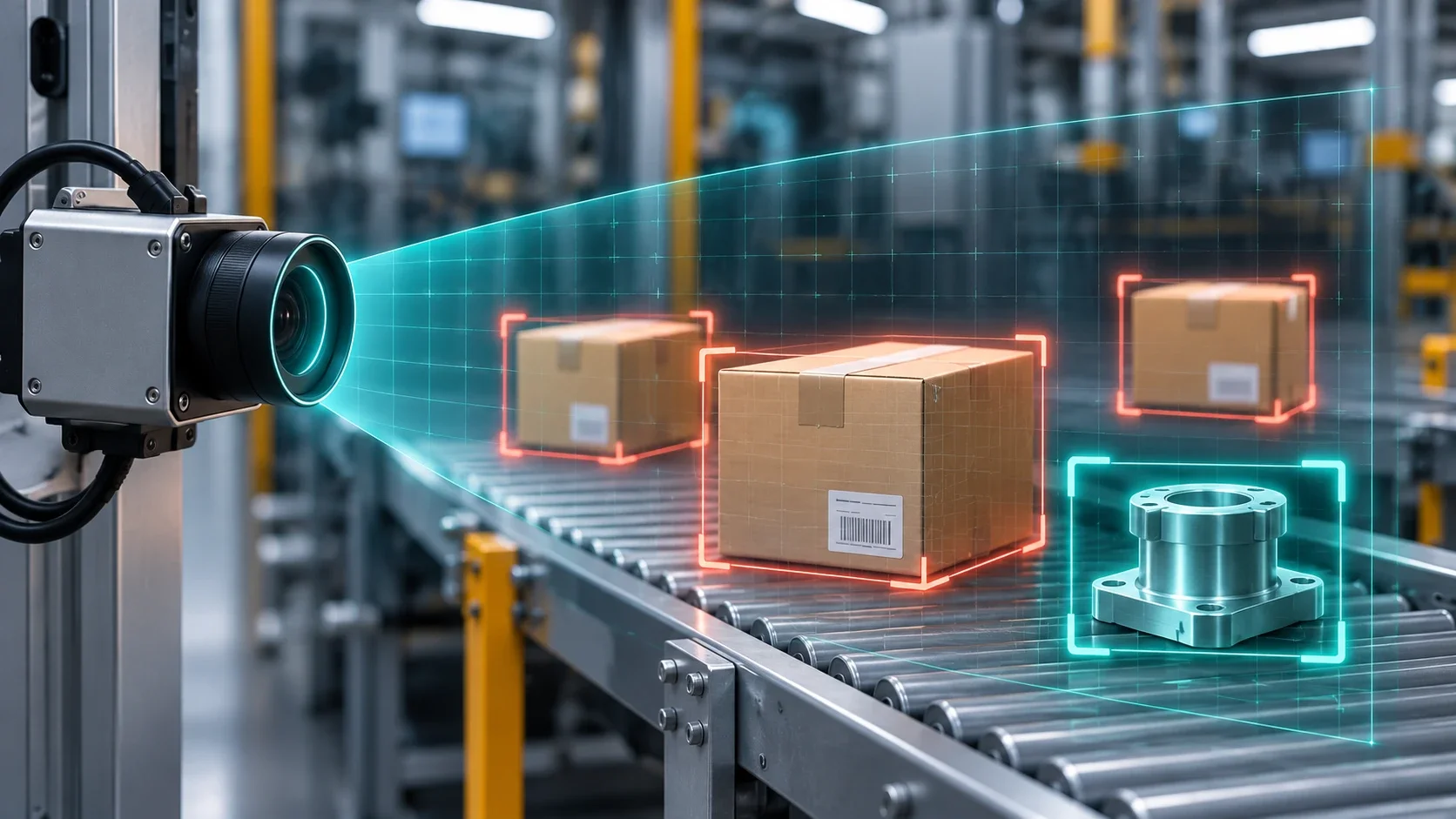
Computer vision lets software interpret images and video. Here is how it works, the core tasks with business examples, use cases by industry, and what a…
RAG (retrieval-augmented generation) lets an AI model answer from your own documents and data by retrieving relevant passages first. Here is how it works, when to…
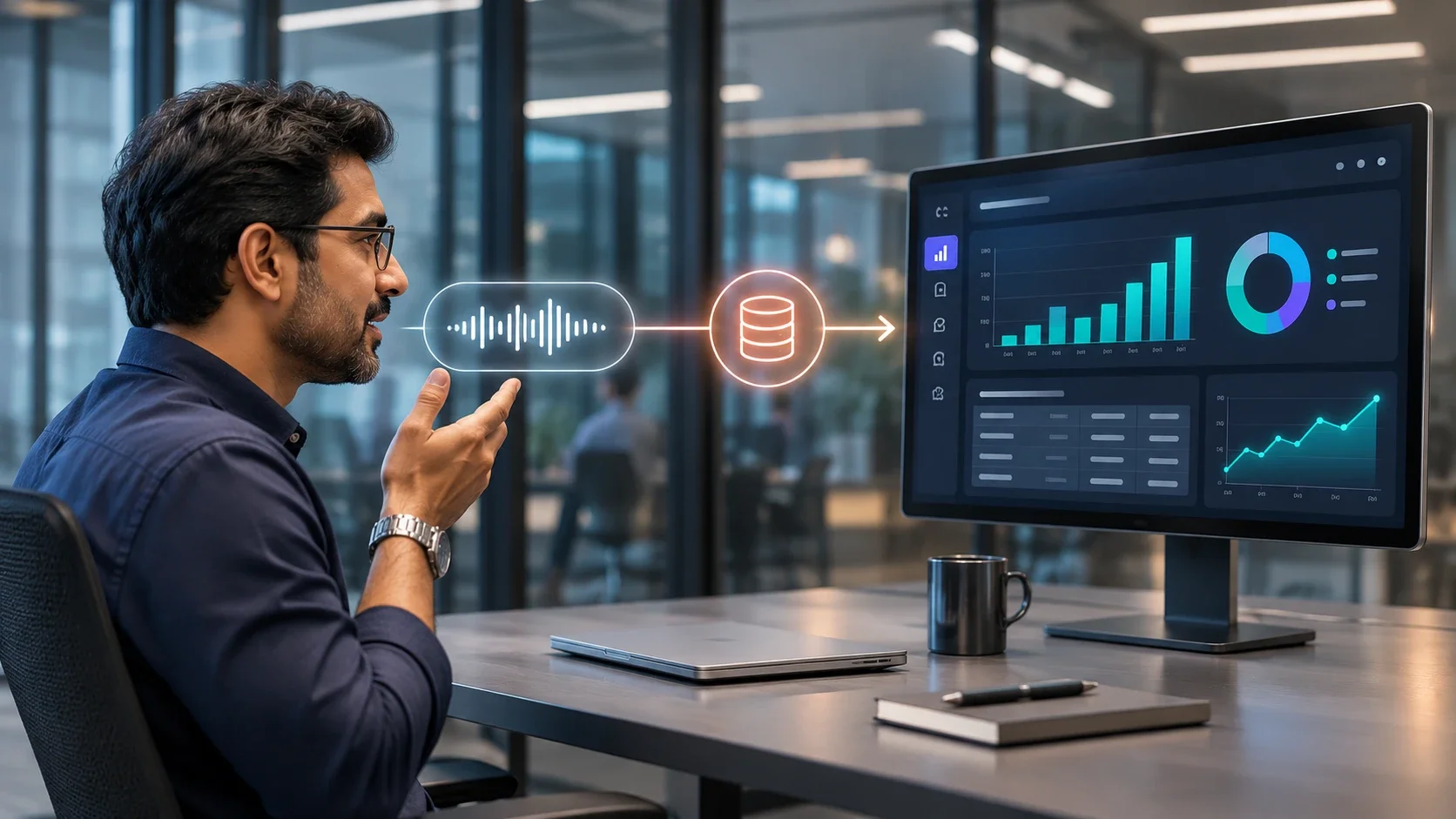
Text-to-SQL turns plain-English questions into SQL queries so anyone can get answers from company data. Here is how it works, how it differs from RAG and…
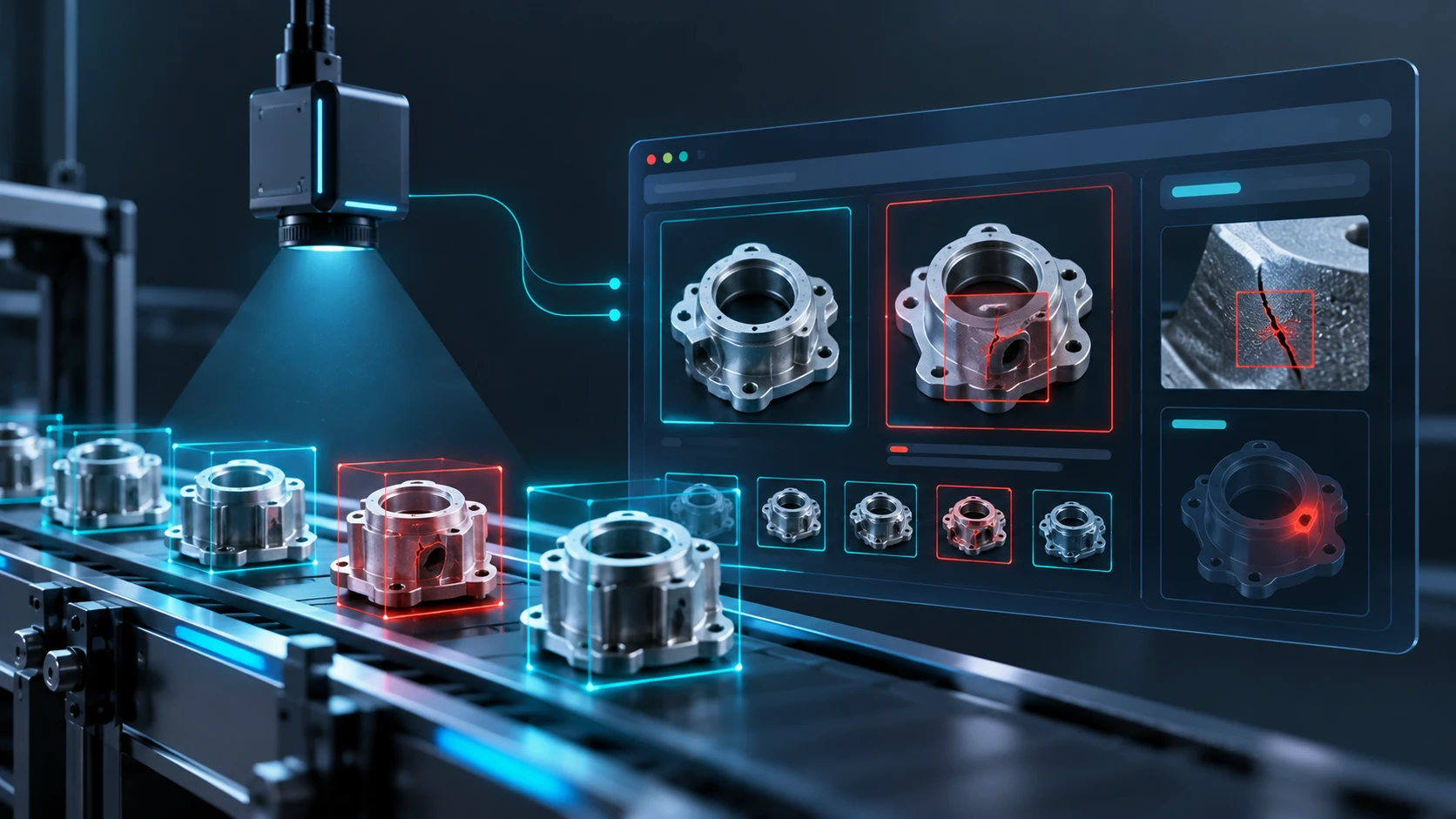
What it really takes to automate defect detection with AI, from lighting and labeling rare defects to setting reject thresholds, integrating with MES, and rolling out…
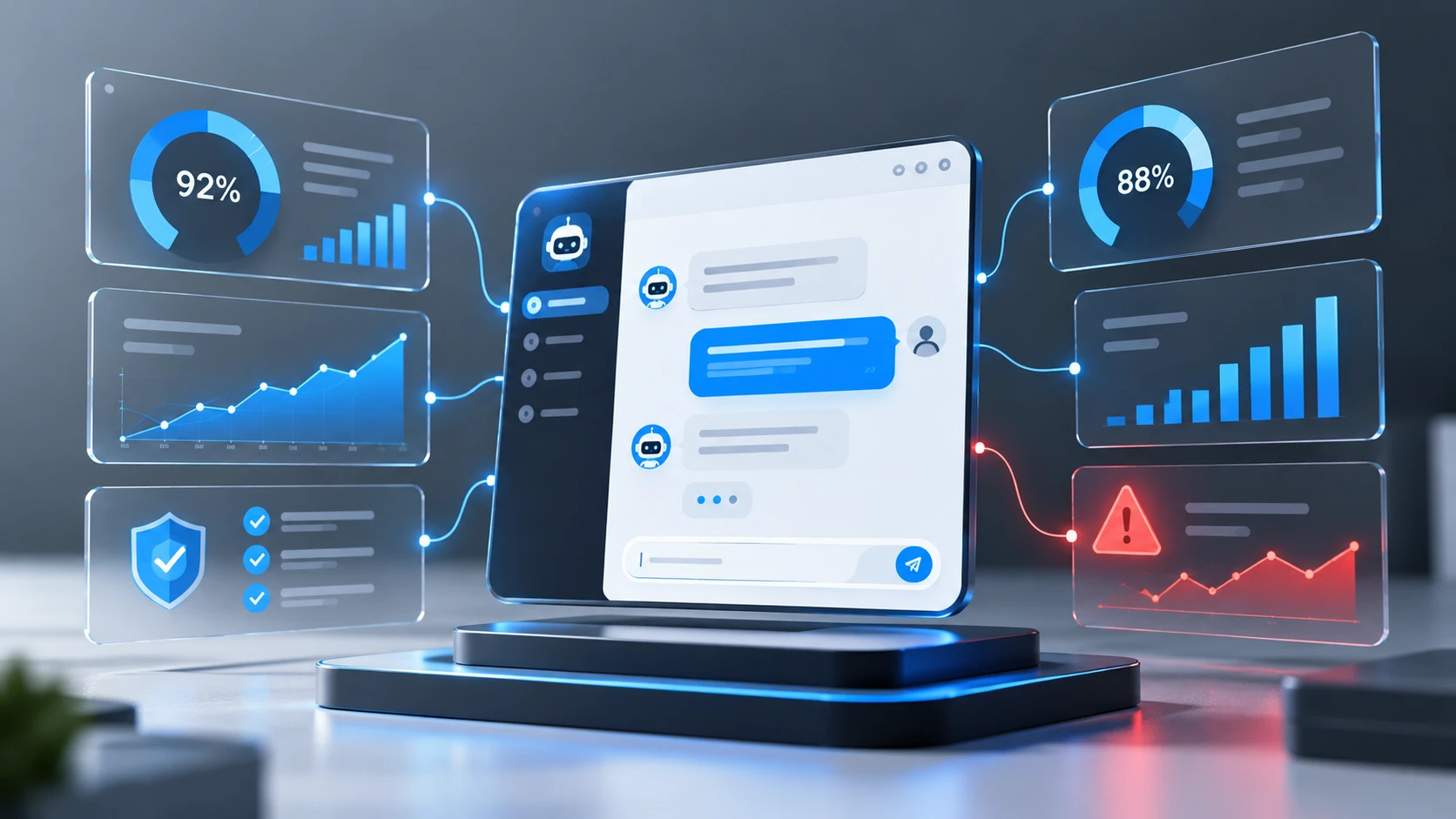
A practical guide to testing AI agents before launch, covering success metrics, trajectory checks, golden datasets, LLM judges, guardrails, CI regression tests and post-launch monitoring, with…
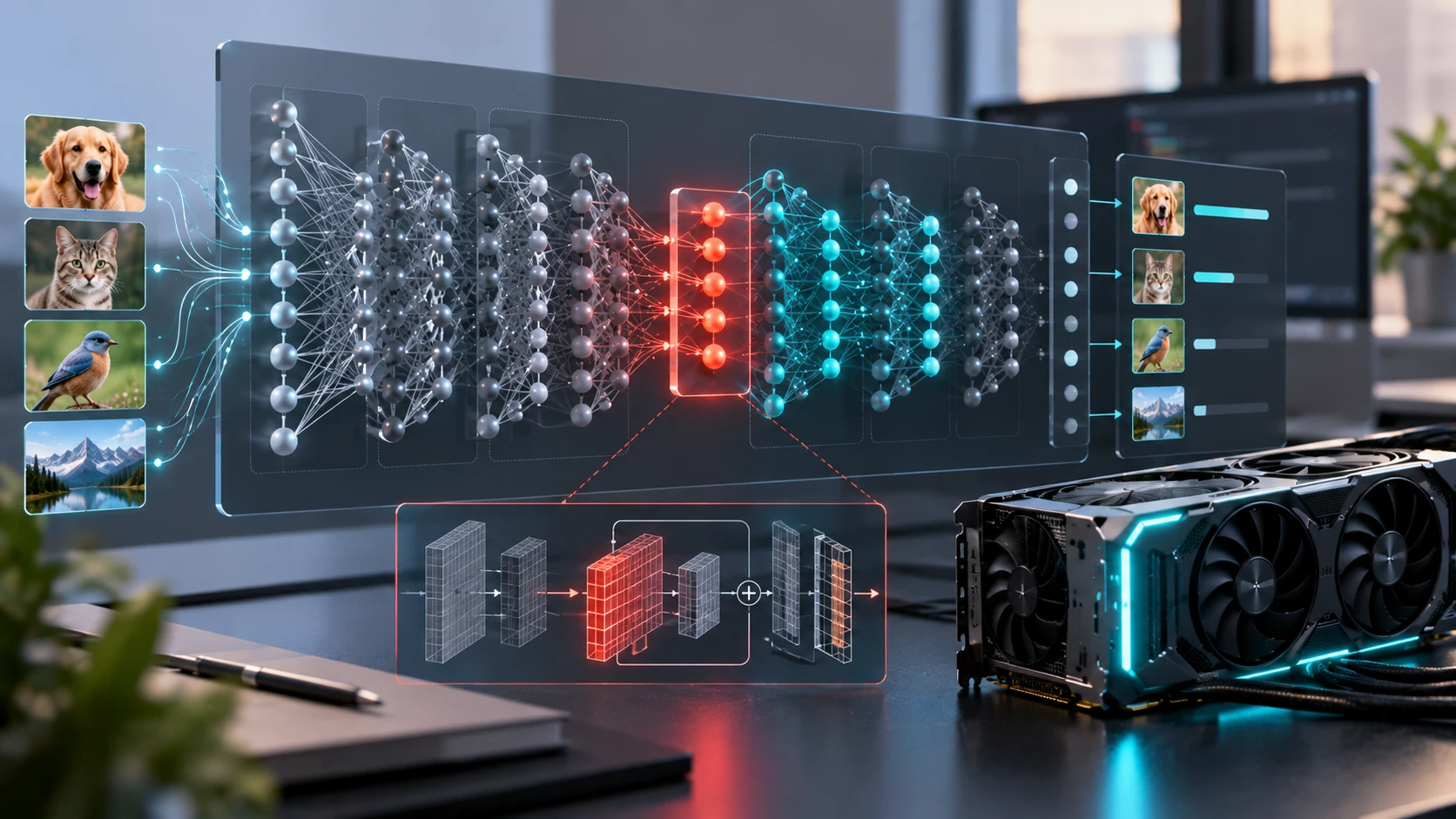
QLoRA (Quantized Low-Rank Adaptation) lets you fine-tune large language models on a single GPU. Here is how it works, when to use it over RAG, and…
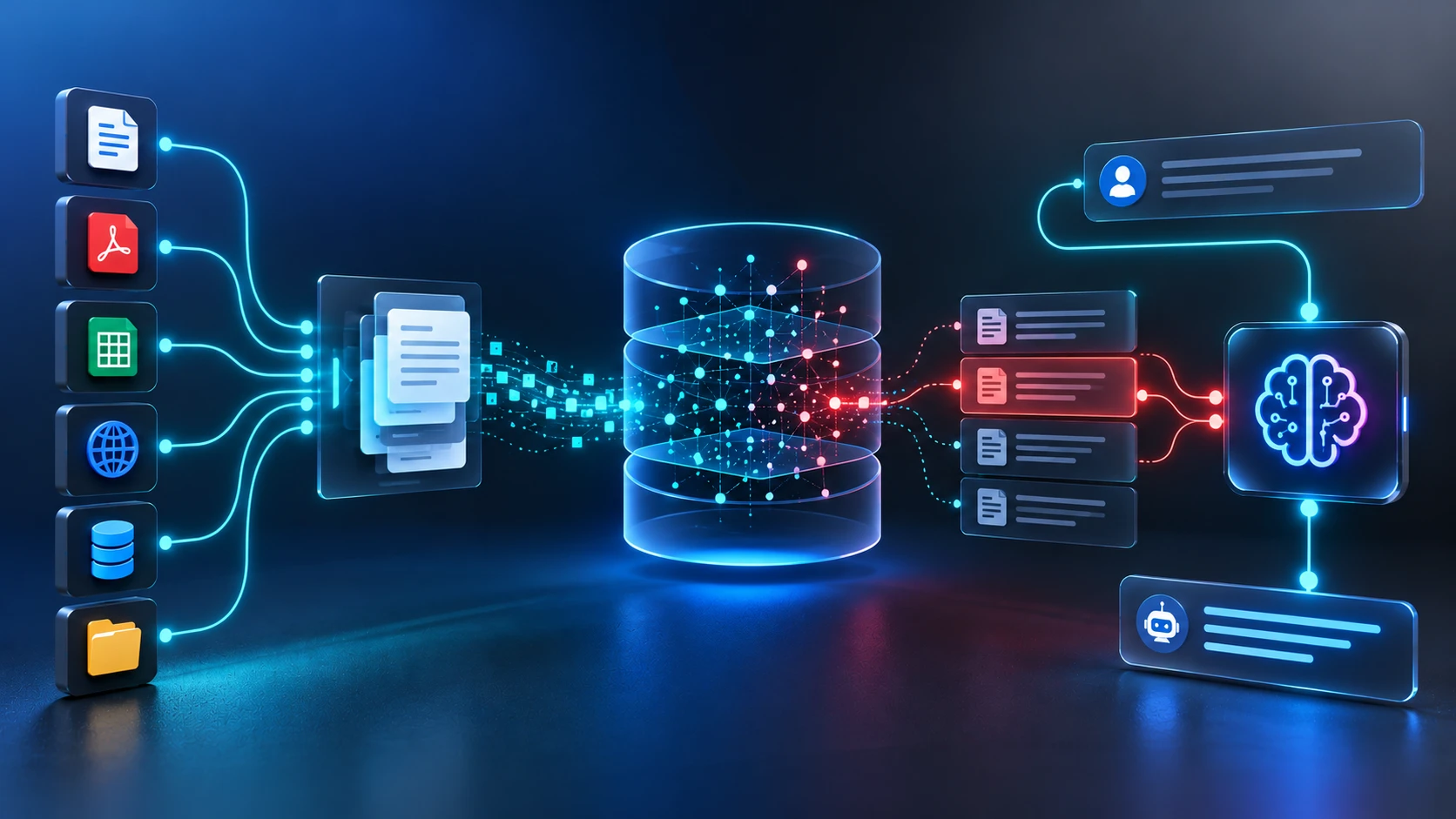
A practical reference design for enterprise RAG that holds up in production, covering ingestion, hybrid retrieval, reranking, document-level permissions, citations, evaluation, freshness, cost and observability.