Since 2009
Enterprise software delivery — a track record built across technology cycles, not just the current AI wave.


Intelligent, adaptive AI automation purpose-built for professional services and consulting firms.













Building software since 2009, validated in numbers

From RFP receipt to first draft: extract requirements, retrieve precedents from past proposals via DocSense, populate response templates, flag missing information, and route to the lead partner for review. Typical time saved: 3–5 hours per bid.
Agents that search your internal archive — contracts, past deliverables, SOWs, compliance records — and surface the right precedent in seconds. Powered by DocSense, VOCSO's RAG-based enterprise knowledge agent.

Multi-step approval workflows with embedded AI review: check documents against standards, flag deviations, route for sign-off, maintain a full audit trail. Designed for ISO-regulated and client-contractually required review processes.
Automated status collection across projects — pull updates from Jira, Salesforce, or SharePoint, consolidate into client-ready summaries, flag at-risk milestones, and distribute reports on schedule. No more Friday afternoon scramble.
Automated intake workflows: collect client data, validate inputs, populate your CRM and project management tools, generate welcome packs, schedule kickoff logistics. Cut onboarding cycle time by 40% or more.

Agents that reconcile project plans, timesheets, and availability data — flagging under-utilised capacity, over-allocation risks, and billable hours that are slipping through the cracks. Recover 12–18% of lost billable time.
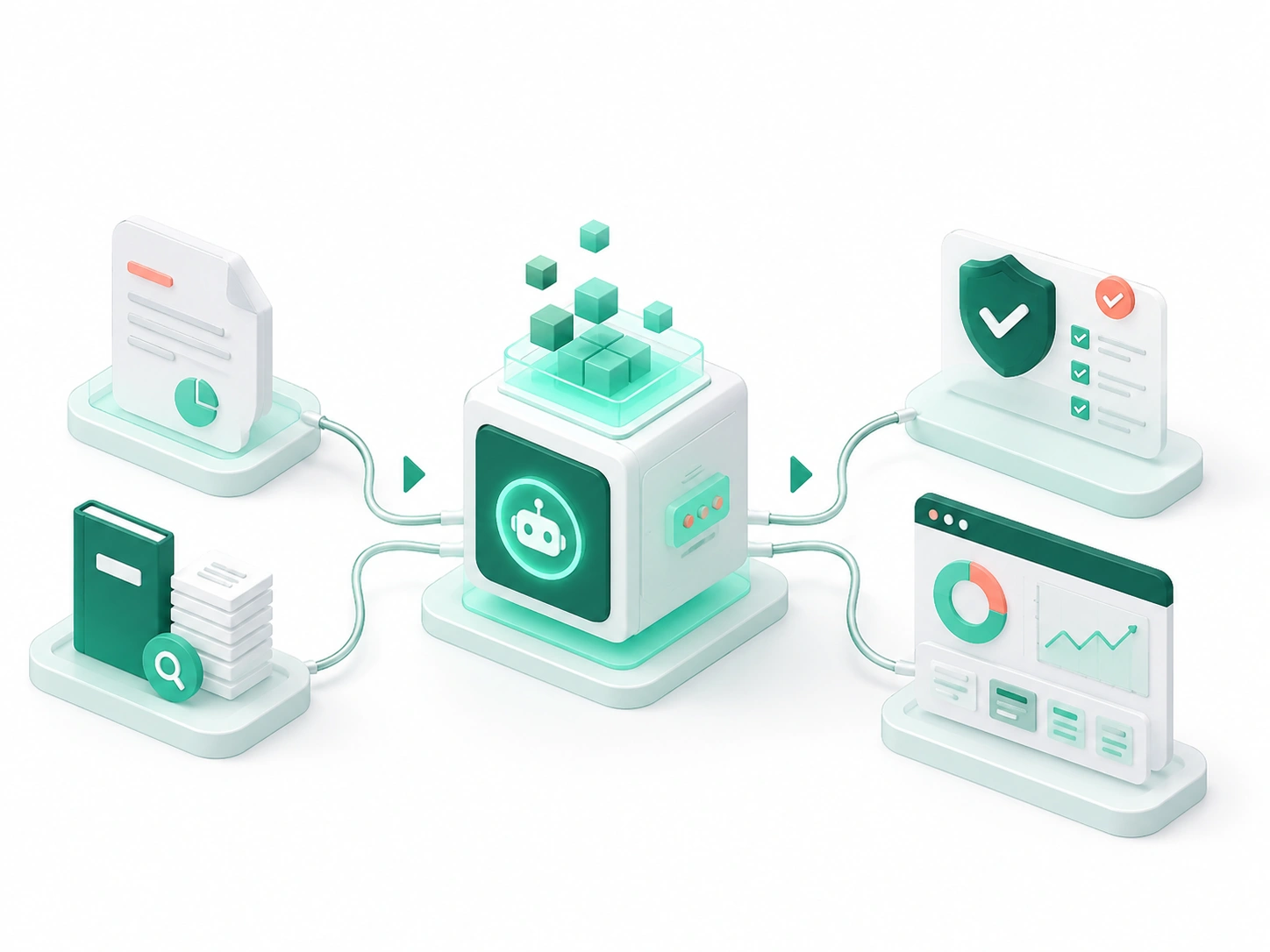
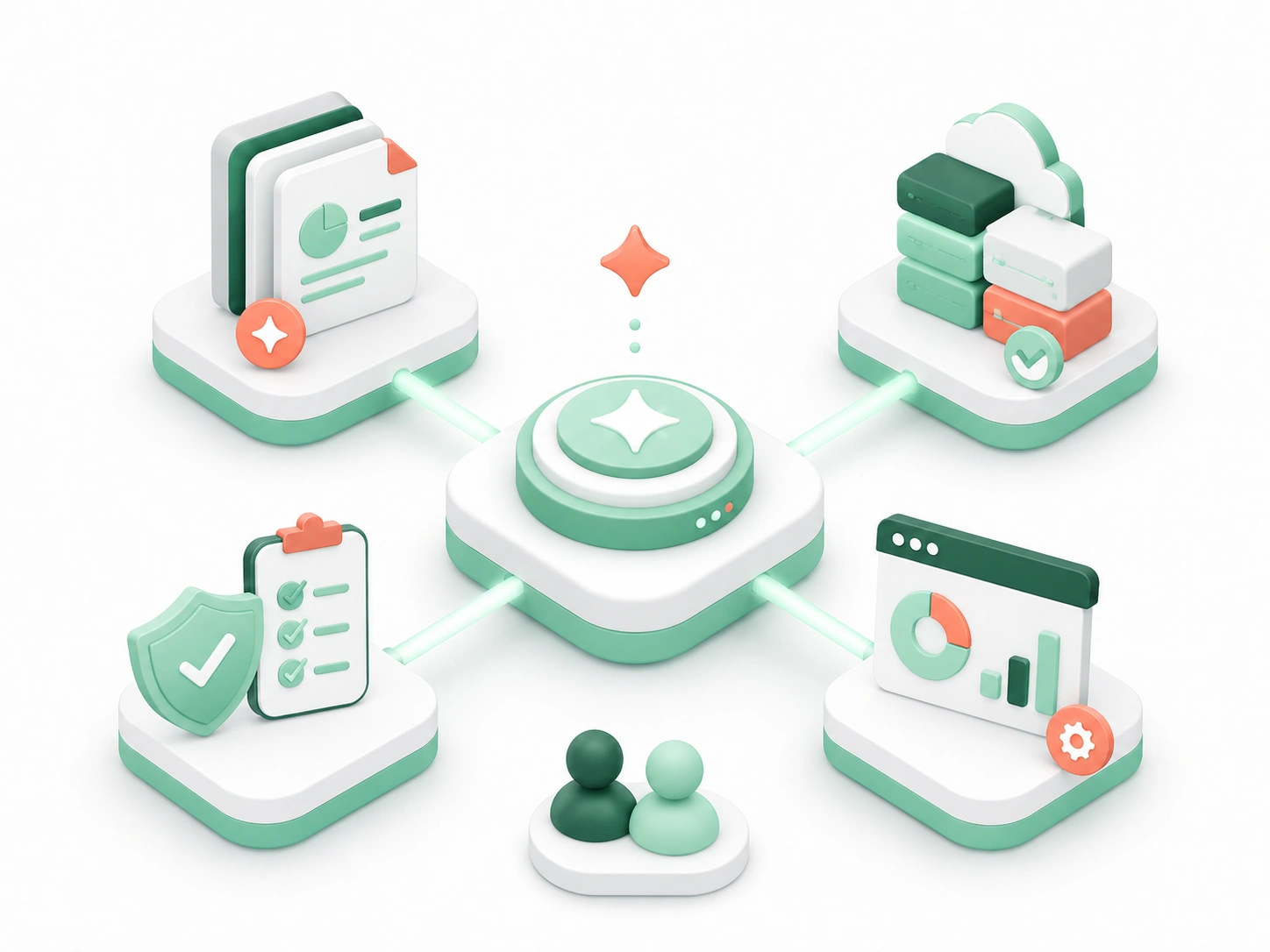
Our agentic workflow automation solutions are designed around real business processes — connecting tools, routing decisions, reducing manual handoffs, and keeping teams in control.
Consulting & Advisory Automate proposal workflows, delivery updates, resource coordination, and client communication across consulting operations.
Trusted by Rodic Consultants
 Proposal and bid workflow automationProject status collection and reportingResource allocation and approval workflows
SaaS & Digital Platforms. Streamline customer onboarding, support operations, product usage workflows, and internal team handoffs with AI-driven automation.
Customer onboarding automationSupport ticket routing and escalationChurn-risk and usage workflow triggersEngineering & Infrastructure. Coordinate field operations, compliance documentation, inspection workflows, and project reporting across distributed teams.
Site inspection workflow automation
Document review and approval routingProject progress and compliance reportingFinancial Services. Automate compliance-heavy workflows, document validation, client onboarding, risk checks, and reporting processes.
KYC and client intake automationContract and document review workflowsCompliance monitoring and approval flowsSupply Chain & Logistics. Automate vendor communication, inventory alerts, shipment updates, procurement approvals, and exception handling.
Vendor onboarding and communication flowsInventory anomaly and reorder workflowsShipment tracking and escalation automationHealthcare & Research. Improve administrative, research, and documentation workflows while keeping sensitive processes structured and reviewable.
CleanTech & MobilityAutomate field operations, asset monitoring, service coordination, reporting, and customer support workflows across clean energy and mobility ecosystems.
Field service and maintenance workflow automationAsset performance alerts and escalation flowsCustomer onboarding and support automationEdTech Platforms. Streamline learner onboarding, support workflows, content operations, assessment processes, and internal admin tasks.
Student onboarding and support workflowsCourse content review and publishing automationAssessment, feedback, and progress reporting flowsNon-Profits & Foundations. Automate grant workflows, donor communication, program reporting, volunteer coordination, and compliance documentation.
Grant application and review workflowsDonor communication and reporting automationProgram impact tracking and approval flows





We combine deep AI expertise with enterprise delivery practices to ship production-ready intelligent systems.
Enterprise software delivery — a track record built across technology cycles, not just the current AI wave.

Independently certified, annually audited — meets the security baseline enterprise procurement actually checks.
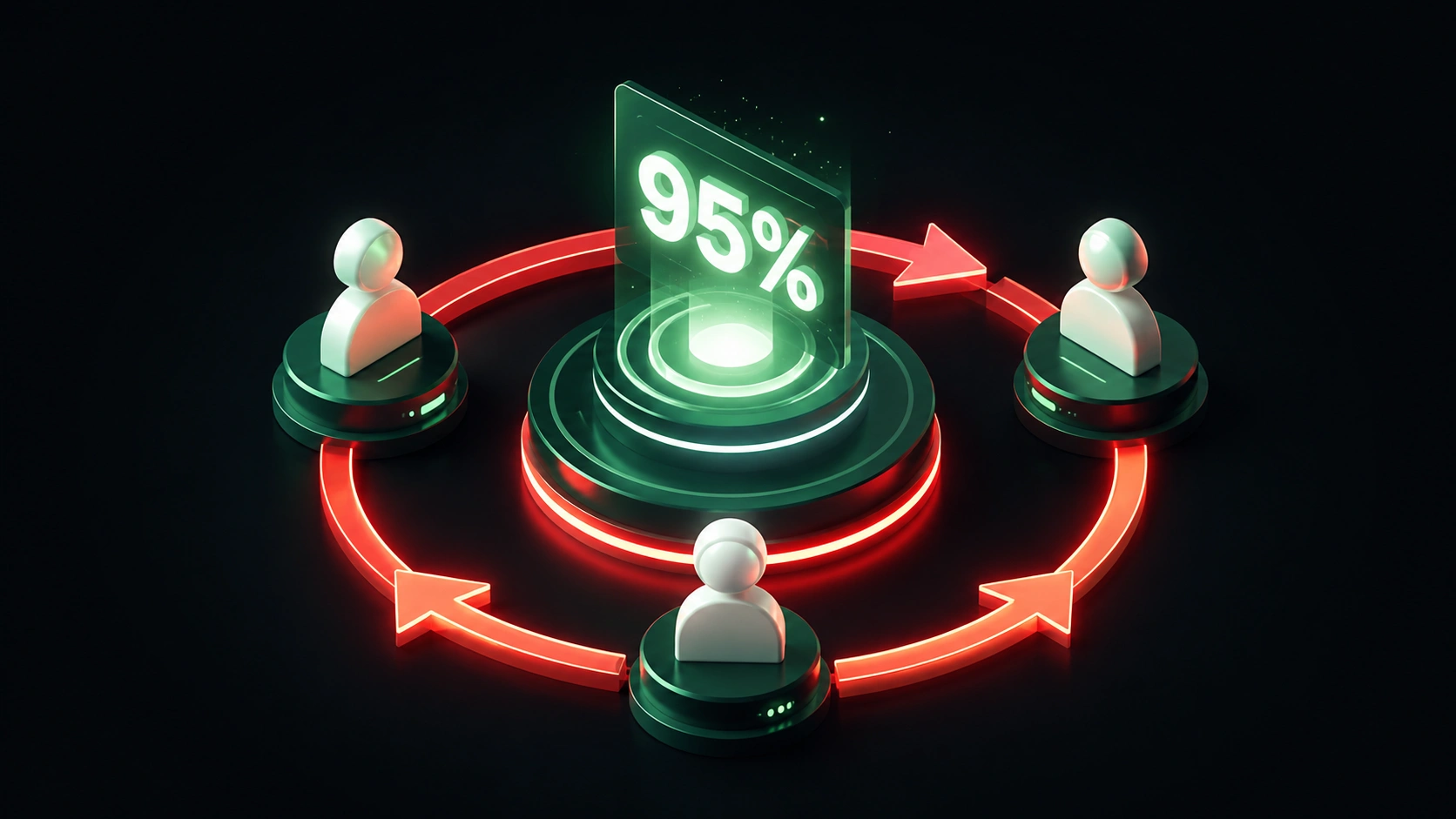
Nine in ten enterprise clients return for follow-on work — the only measure of delivery quality that cannot be faked.

Verified client reviews, independently collected — real feedback from real enterprise engagements.
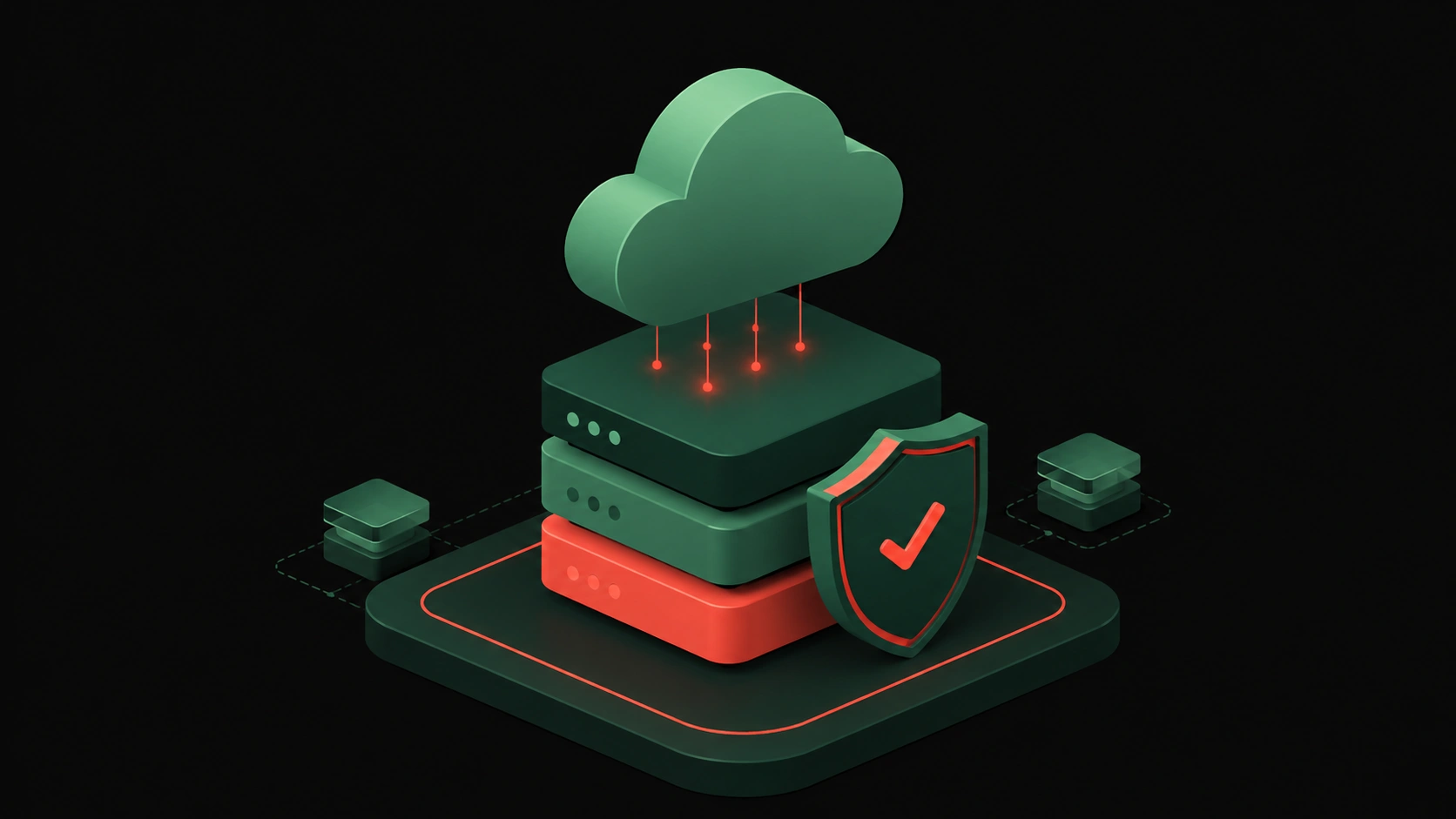
Certified cloud partnerships with AWS and Microsoft Azure — enterprise infrastructure standards from day one.

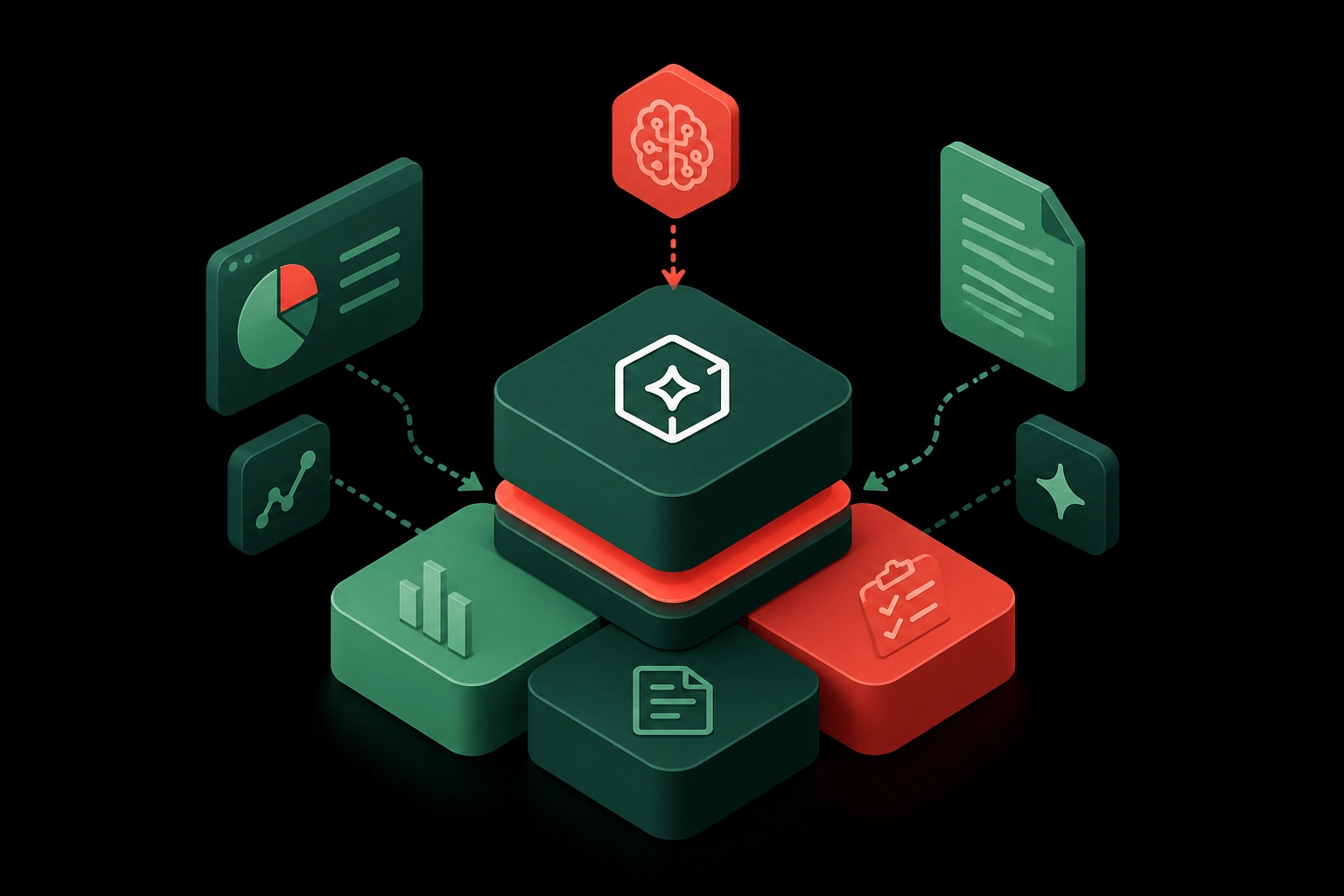
DataSense, DocSense, BidSense — proprietary pre-built AI products that go live in weeks, not months of custom build.
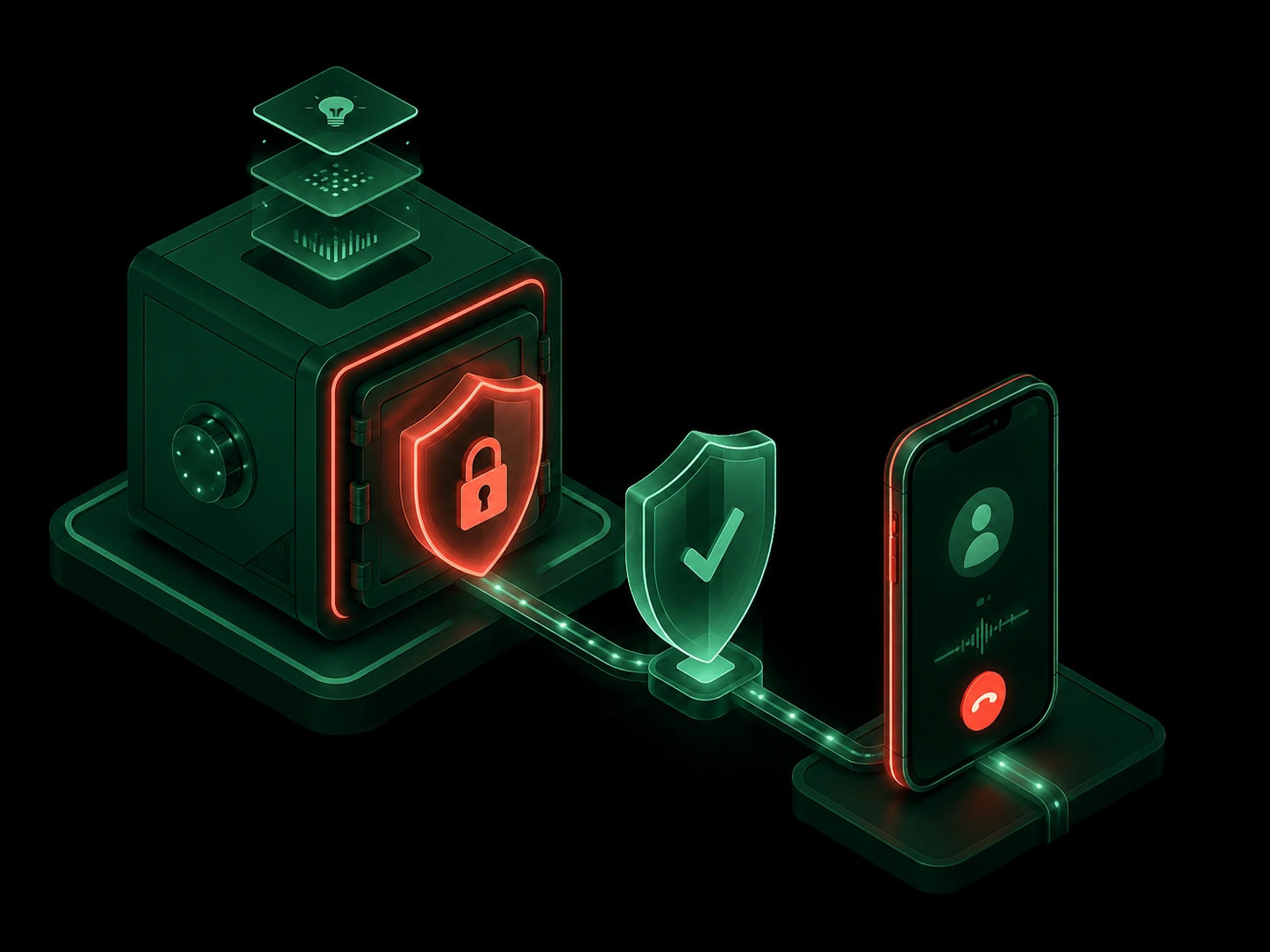
IP, data, and strategy protected before the first discovery call ends — not after contracts are signed.

Post-deployment optimisation included in every engagement — we stay accountable until the system is performing.
 What Agentic Automation Looks Like in Practice
These aren't theoretical use cases. They're the specific workflows we build most often for consulting, engineering, legal, and managed-services firms operating on project economics.
A 120-person management consulting firm was spending an average of 12 hours of senior time on each RFP response — writing from scratch, chasing subject-matter experts for input, reformatting against the client's template.

The automated workflow: an agent receives the RFP document, extracts scope, timeline, and evaluation criteria, searches the firm's past proposal archive for relevant precedents via DocSense, pre-populates a response template with matching content, flags sections where no precedent exists and suggests who to ask, and routes the draft to the lead partner with a summary of what was filled automatically vs. what needs attention.
Result: average proposal time down from 12 hours to under 2. Win rate improved because the team had capacity to submit on more opportunities.
12 hrs → 2 hrs Proposal cycle time 40% more RFPs submitted per quarter +25% Proposal win rate (consulting boutique benchmark)
Delivery teams at a 200-person engineering consultancy were spending Friday afternoons manually collating status updates from 15–20 active projects — pulling from Jira, emailing PMs, assembling summaries, reformatting for different client templates.
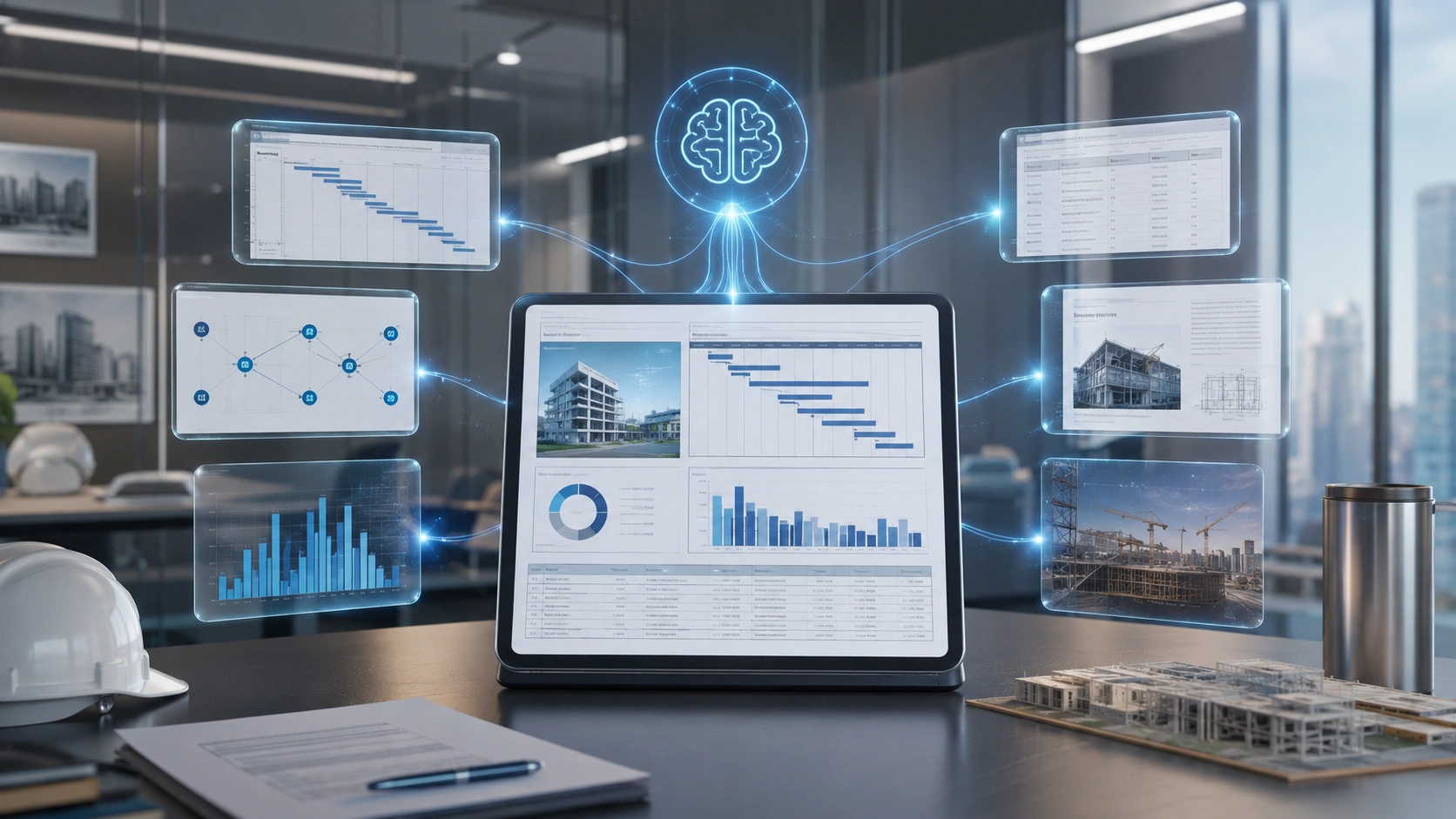
The automated workflow: a scheduled agent pulls project data from Jira and internal timesheets every Thursday evening, identifies milestones due in the next two weeks, flags any project where actual vs. planned hours deviate by more than 15%, generates formatted status summaries per client template, and routes them to the responsible PM for a 10-minute review before sending.
Result: Friday afternoon status work eliminated entirely. PMs get a 10-minute review task instead of a 3-hour assembly task. Client reporting consistency improved.
3 hrs/week Saved per project manager 100% On-time client status delivery Zero Manual report assembly steps
A managed IT services provider was taking 3–4 weeks to fully onboard new enterprise clients — collecting system access credentials, populating their PSA tool, configuring monitoring agents, generating welcome documentation.
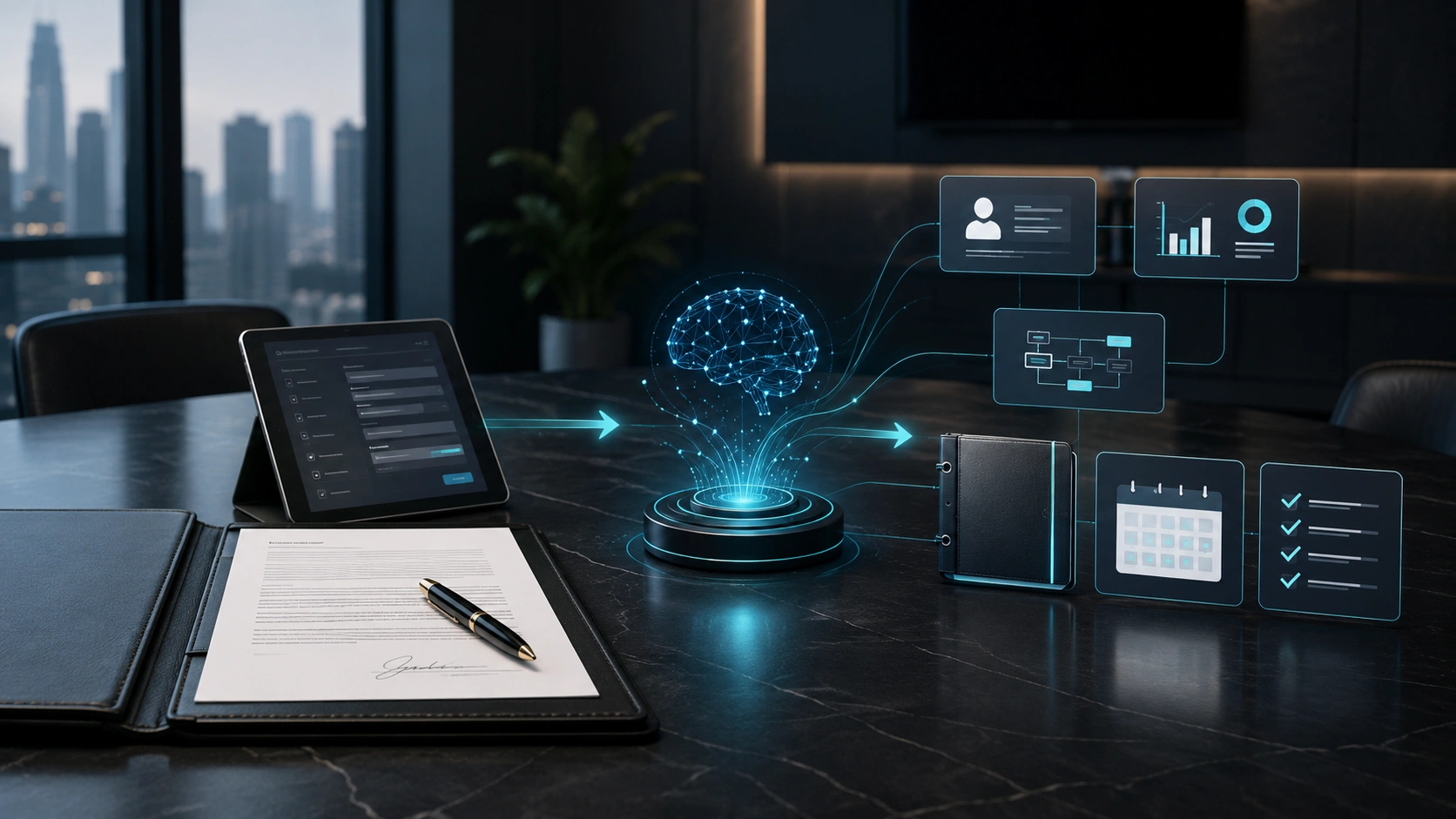
The automated workflow: when a contract is signed, a trigger fires an onboarding agent that sends a structured intake form to the client, validates submitted credentials against expected formats, populates the PSA tool (ConnectWise/Autotask) and CRM, generates the client's onboarding documentation pack, schedules the kickoff meeting via Outlook, and alerts the delivery lead when all prerequisites are confirmed.
Result: onboarding time cut from 3 weeks to 5 days. Two FTE hours per new client vs. 16 FTE hours previously. Clients report a dramatically better first impression.
3 wks → 5 days Onboarding cycle time -87% FTE hours per new client Automated CRM and PSA population
A financial advisory firm was spending 2–3 days before every client audit manually gathering evidence — retrieving signed documents, checking sign-off trails, generating compliance summaries for each engagement.

The automated workflow: a compliance monitoring agent runs weekly against all active engagements — checking that required sign-offs have occurred, documents are stored in the right locations, retention policies are being met, and regulatory deadlines are on track. When the audit arrives, a report generation agent compiles a full audit pack in under 30 minutes from already-collected evidence.
Result: audit preparation time cut by 65%. Compliance incidents dropped by 60% because issues are caught weekly rather than at audit time.
65% Audit prep time reduction 60% Fewer compliance incidents Weekly Automated compliance monitoring
Traditional automation like RPA bots, Zapier triggers, and scheduled scripts follows fixed rules, so it works when inputs are predictable but breaks when formats change, steps are skipped, or exceptions appear. Agentic workflow automation uses large language models to understand inputs, decide the next step, call tools and APIs, and adapt when conditions change — it does not just follow a script; it works toward a goal.

88% of organisations are already embedding AI agents into their workflows — per KPMG's 2026 Global Tech Report. The gap between those adapting and those waiting is compounding every quarter.
Rather than building every automation from scratch, we give you a head start with three pre-built agent products designed specifically for professional services workflows — customised and deployed on your infrastructure, with your data, under your control.

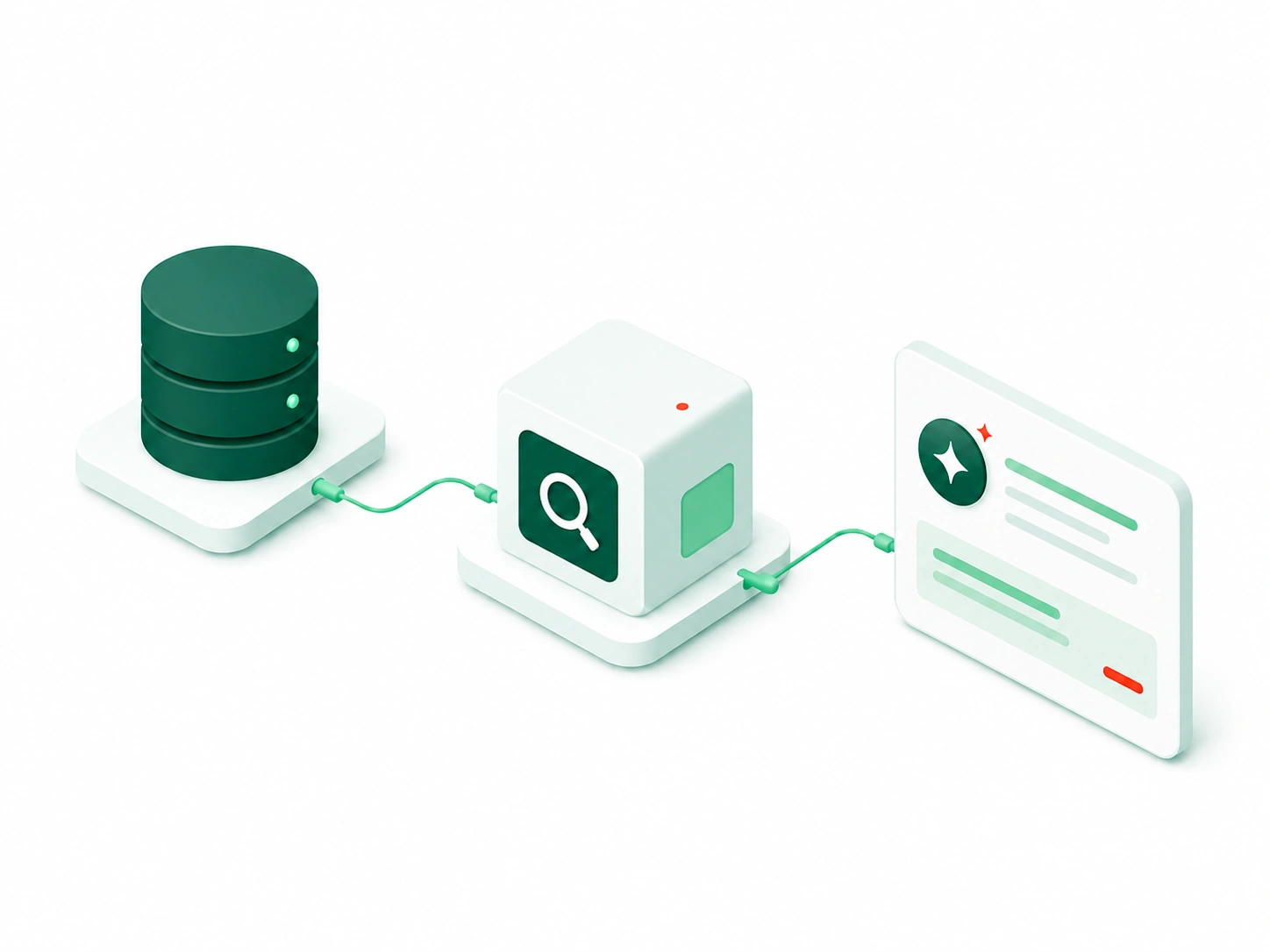
Connects to your document archive — SharePoint, Google Drive, Confluence, project folders — and makes it instantly searchable by AI. Retrieve exact precedents, past proposals, and contract clauses in under 30 seconds. Best for: knowledge retrieval, proposal research, due diligence acceleration.
Reads incoming RFPs and tender documents, maps requirements to your capability areas, retrieves matching content from DocSense, and generates a structured first-draft response against your firm's standard template. Best for: proposal automation, bid qualification, capability mapping.
Connects to your project management, CRM, and finance data. Answer questions like "Which projects are over budget this month?" or "What's our utilisation rate by practice?" in plain English — no BI tool required. Best for: delivery ops reporting, utilisation tracking, executive dashboards.
2 weeks | Fixed-price: $5,000–$8,000
We map your top 3–5 highest-ROI automation candidates: workflow current state, exception frequency, data sources, integration points, and estimated time savings. You receive a prioritised backlog with build effort and ROI estimate for each. No commitment beyond this sprint.
Strategy workshopsSuccess metric auditData readiness reviewRisk & compliance scan1–2 weeks
Agent design: define goals, decision logic, human-in-the-loop checkpoints, error handling, and integration contracts. Security and data flow review. Signed off before any build begins.
Workflow logic mappingHuman-in-the-loop planningIntegration contract designSecurity & access review3–8 weeks (per workflow)
Iterative build with weekly demos. We build the agent, connect integrations, configure memory and state, implement monitoring hooks, and write test cases against real workflow scenarios including known exceptions.
Agent workflow developmentAPI and tool integrationsException handling setupMonitoring hooks implementation1–2 weeks
Run the automation on real data in parallel with your existing process. Measure accuracy, exception handling, and human-in-the-loop trigger rate. Launch to production once you're satisfied with performance.
Real workflow testingUser acceptance validationPerformance and accuracy checksControlled production rolloutOngoing
Post-launch monitoring dashboard. Weekly performance review for the first 30 days. Quarterly optimisation sprints. Expansion path to additional workflows on retainer.
Performance dashboard setupWeekly optimisation reviewError and exception analysisNew workflow expansion planningBook a free 30-minute discovery call with a senior AI engineer — no slide deck, just questions about your workflows, your data, and your goals.










Enabled users to retrieve operational, financial, and project insights through natural language queries, transforming complex data analysis into instant, self-service intelligence.
See case study
 <12 Seconds
  10+ Systems
  Days → Minutes
  95%+
95%+ We select technology based on your workflow complexity, your security requirements, and your existing stack — not based on what we prefer to work with. Here is what we draw from.
Frameworks and automation engines for coordinating agents, tools, and workflows.
 LangGraph
 LangChain
 AutoGen
 CrewAI
 n8n
n8n
 Zapier
State-of-the-art models for reasoning, generation, tool use, and enterprise AI workflows.
 Claude
 OpenAI GPT-4
 Google Gemini
 Mistral
 Cohere
Entry points that start automated workflows from systems, events, and user actions.
 Webhooks
 REST APIs
Connectors and API layers for integrating agents with business systems and enterprise tools.
 MCP
MCP
 GraphQL
Short-term state, long-term memory, and context persistence for workflow-aware agents.
 Redis
Redis
 PostgreSQL
 LangMem
 Zep
Zep
Retrieval infrastructure for semantic search, document grounding, and knowledge-aware workflows.
 Pinecone
 Weaviate
 Milvus
 Qdrant
 Chroma
Cloud, container, and enterprise infrastructure for secure production deployment.
 AWS Bedrock
 Azure OpenAI
 GCP Vertex AI
 Docker
 Kubernetes
Modern development foundations for building custom workflow automation systems.
 Python
 TypeScript
 Node.js
 FastAPI
Monitoring, tracing, evaluation, and performance visibility for production AI workflows.
LangSmith
 Langfuse
 OpenTelemetry
 Grafana
 Prometheus
Enterprises trust VOCSO for AI consulting services built to scale securely and meet regulatory standards. We design enterprise-grade AI systems that balance innovation with compliance across AWS, Azure, and Google Cloud.

General Data Protection Regulation
Information Security Management Systems
System and Organization Controls
For AI applications in healthcare
Responsible AI principles and implementation
AI Risk Management

Principles and implementations
India’s personal data protection framework

Auditability frameworks

Standards and evaluation practices
 Fixed-Price POC
Validate an AI agent use case with a low-risk, fixed-scope engagement designed to prove value, feasibility, and ROI before committing to a full build.
4–6 week delivery timeline Defined scope & success criteria Low commitment, fixed budget Executive-ready ROI assessment Dedicated AI Team
A cross-functional AI agent team embedded into your environment — working within your processes, security requirements, and communication tools.
AI, Data & MLOps specialists Named delivery lead Works within your NDA & security policies Scalable team composition Project-Based
End-to-end delivery of a defined AI agent capability with fixed scope, timeline, and commercial terms. Full knowledge transfer and documentation included.
Fixed scope & pricing Defined milestones & deliverables Dedicated project management Knowledge transfer & documentationLet's discuss the right engagement model for your project?
Book a call
First-hand experiences from firms that deployed AI agents, scaled intelligently, and achieved measurable results.
View all client testimonials“Vocso team has really creative folks and is very co-operative to implement client project expectations. MicroSave Consulting had great experience working with Anju and Prem.”

“Working with Deepak and his team at Vocso is always a pleasure. They employ talented staff and deliver professional quality work every time.”

“We love how our website turned out! Thank you so much VOCSO Digital Agency for all your hard work and dedication.”

“VOCSO SEO & SEM services helped me find new customers in a small budget. Their advanced SEO strategies made us visible to everyone.”

“Vocso team has really creative folks and is very co-operative to implement client project expectations. MicroSave Consulting had great experience working with Anju and Prem.”
“Working with Deepak and his team at Vocso is always a pleasure. They employ talented staff and deliver professional quality work every time.”
“We love how our website turned out! Thank you so much VOCSO Digital Agency for all your hard work and dedication.”
“VOCSO SEO & SEM services helped me find new customers in a small budget. Their advanced SEO strategies made us visible to everyone.”
Not every workflow should be automated first. The best starting point is the workflow where senior time is being wasted, the process repeats often, and the business outcome is easy to measure.
Agentic workflow automation works best when there is a clear goal, repeated execution, multiple handoffs, and enough variation that rule-based automation would break. This is why proposal preparation, client onboarding, project status reporting, compliance review, and resource scheduling are strong starting points for services firms.
Before designing the automation, we map the current workflow in detail: who starts it, which systems it touches, where delays happen, which exceptions occur most often, and what successful completion looks like. This prevents the common mistake of automating a broken process without understanding why it breaks.
Workflow frequency — The process should happen weekly, monthly, or at enough volume to justify automation.
Senior time lost — The best candidates are workflows where consultants, PMs, partners, or delivery leads spend time on low-judgment work.
Exception patterns — We identify which cases break the current process and whether AI reasoning can handle them.
ROI baseline — We measure current cycle time, manual hours, error rate, and handoff delays before automation begins.
At VOCSO, workflow discovery is not a brainstorming exercise. It is an economic assessment. We prioritise automation opportunities based on measurable time savings, reduced delivery overhead, and business impact.
A workflow automation system is only reliable when it knows when to start, what state it is in, and what must happen next.
Traditional automation usually starts with a simple trigger: a form submission, an email, a scheduled job, or a CRM update. Agentic workflow automation goes further. It understands the current context, checks what information is missing, decides which step should run next, and updates the workflow state as the process moves forward.
For example, a client onboarding workflow may start when a deal is marked as won in the CRM. The automation then sends an intake form, validates the client response, creates records in the project management system, generates onboarding documents, schedules kickoff logistics, and alerts the delivery lead only when human input is required.
Trigger design — Workflows can start from CRM changes, document uploads, email events, calendar events, webhooks, or scheduled checks.
State management — The automation tracks what has already happened, what is pending, and what still requires human approval.
Step sequencing — Each action is designed with dependencies, fallback paths, and completion rules.
Context preservation — The system maintains workflow context across tools, users, and multiple process steps.
At VOCSO, we design process logic before writing code. This ensures the automation follows the real business workflow, not just a simplified version that works only in demos.
The difference between a fragile automation and a production-ready agentic workflow is how it handles exceptions.
In real business processes, inputs are rarely perfect. A proposal document may have missing sections. A client intake form may contain incomplete information. A project update may conflict with timesheet data. A compliance document may not match the expected format. A rule-based automation usually fails in these situations. An agentic workflow should pause, reason, escalate, or route the issue to the right person.
Human-in-the-loop design is critical. The goal is not to remove people from every decision. The goal is to remove repetitive manual work while keeping humans in control of high-impact decisions.
Defined exception types — Known issues such as missing data, invalid formats, failed API calls, and conflicting records are handled with predefined logic.
Confidence thresholds — If the automation is uncertain, it pauses and asks for human confirmation.
Approval gates — Actions such as sending client communication, updating important records, or finalising reports can require human review.
Escalation routing — Exceptions are sent to the right person with full context, not just a generic error message.
At VOCSO, every workflow automation includes human review gates where the business risk justifies it. This keeps automation useful, controlled, and safe for production environments.
Agentic workflow automation creates the most value when it works inside the tools your team already uses.
Most services firms do not operate from one clean system. Their workflows often span CRM, email, SharePoint, project management tools, finance systems, document repositories, spreadsheets, and legacy platforms. A useful automation must connect these systems without forcing the business to replace everything.
For example, a project status automation may pull milestone updates from Jira, billing data from finance, documents from SharePoint, and comments from Teams. The agentic workflow then consolidates this information into a client-ready status summary and routes it to the project manager for approval.
API-first integration — We connect to systems through secure APIs wherever available.
MCP and connector layers — For complex or legacy systems, we expose controlled system actions through structured connectors.
Permission control — Each automation receives only the access it needs for the specific workflow.
Auditability — Every system action is logged, including what was accessed, what changed, and why.
At VOCSO, integration is treated as part of the workflow architecture, not an afterthought. The automation must fit your existing operating environment, security model, and approval process.
A workflow automation is not finished when it goes live. Production workflows need monitoring, optimisation, and continuous improvement.
Once the automation is running, we track whether it is actually improving the business process. That means measuring cycle time, exception rate, human review frequency, failure patterns, cost per run, and user adoption. These metrics show where the workflow is working, where it is getting stuck, and where the next automation opportunity exists.
For services firms, this matters because workflows evolve. Proposal templates change. Client reporting expectations change. Compliance rules change. Internal tools change. A workflow automation system must be maintained like a production business system, not treated like a one-time script.
Performance monitoring — Track workflow completion rate, manual intervention rate, processing time, and error frequency.
Exception analysis — Review recurring failures and improve prompts, rules, integrations, or data quality.
User feedback loops — Collect feedback from PMs, consultants, delivery leads, and operations teams.
Expansion planning — Once one workflow proves ROI, extend the automation layer to adjacent workflows.
At VOCSO, we design automation with expansion in mind. The first workflow should prove value, but the long-term goal is a connected automation layer across proposal operations, delivery reporting, onboarding, compliance, and resource planning.
You delivered exactly what you said you would in exactly the budget and in exactly the timeline.





 Transparency on every decision Talented Team of AI Engineers Smooth Collaboration & Reporting Efficient & Adaptive Workflow Strict Privacy Assurance with NDA 12 Months Free Post-Launch Support On-time Delivery, No Surprises ISO 27001 Certified Engineering
Book a free workflow audit. We'll map where your senior team is spending the most time on tasks that automation can handle — and give you a realistic ROI estimate before you spend anything.
RPA (Robotic Process Automation) follows fixed rules — it records steps and replays them. It's fast and cheap for stable, structured, high-volume tasks, and fragile when anything deviates from the script. Agentic automation uses an LLM as the reasoning engine, which means it can read unstructured inputs (PDFs, emails, free-text forms), make decisions when conditions aren't perfectly predictable, and handle exceptions through adaptive branching rather than failure. If your process varies even slightly between instances — different document formats, different client data structures, different approval paths — agentic automation will outperform RPA significantly.
A well-scoped single workflow typically takes 4–8 weeks from kick-off to production launch: 1–2 weeks for architecture and design, 3–5 weeks for build and integration, 1–2 weeks for UAT. Simpler workflows with clean data sources and standard integrations land at the lower end. Workflows requiring custom legacy system connectors or complex multi-step human-in-the-loop logic land at the higher end. Our Discovery Sprint (2 weeks) gives you a precise estimate before you commit to building.
Yes — and this is intentional. We build agents that surface inside the tools your team already uses rather than requiring them to switch to a new interface. This means a Teams bot that collects status updates, an Outlook add-in that drafts proposal sections, a SharePoint workflow trigger that kicks off a document review agent. Adoption rates are significantly higher when the automation meets people where they already work.
Every automation we build has three layers of exception handling: (1) defined exception types with specific handling logic — e.g., a document in an unexpected format routes to a human review queue with a summary of what was unclear; (2) a human-in-the-loop trigger threshold — if the agent's confidence in its output falls below a defined level, it pauses and requests human confirmation; (3) a monitoring alert — any unhandled exception generates an alert to the responsible team member with a full trace of what the agent attempted. The goal is that no exception causes silent failure.
As a rule of thumb: if a workflow takes more than 2 hours per week in senior time and runs at least weekly, automation typically pays back the build cost within 6 months. The higher the frequency and the higher the seniority of the people doing it manually, the faster the payback. Our Discovery Sprint will give you a precise ROI estimate for your specific workflows before you commit to building.
We handle the technical delivery end-to-end. Your IT team's involvement is limited to: providing access credentials for the systems we're integrating (typically a half-day task), approving our security architecture before build begins (typically 1–2 review calls), and participating in the UAT review before production launch. We don't require your IT team to manage the automation infrastructure post-launch — we provide monitoring and support on retainer.
Your data is processed only within the infrastructure we deploy in your cloud environment (AWS, Azure, or GCP). We configure LLM API calls to use your own API keys with data retention disabled. For highly sensitive environments, we deploy self-hosted models (Llama 3.x, Mistral) that eliminate any external API call entirely. Everything runs in your tenant, on your infrastructure, under your control. We are ISO 27001 aligned and can sign a Data Processing Agreement (DPA) as part of engagement terms.
Discover complementary services that enhance performance, improve user experience, and help your business build scalable digital solutions efficiently.