Since 2009
Enterprise software delivery — strategy grounded in shipping real technology across cycles, not just the current AI wave.
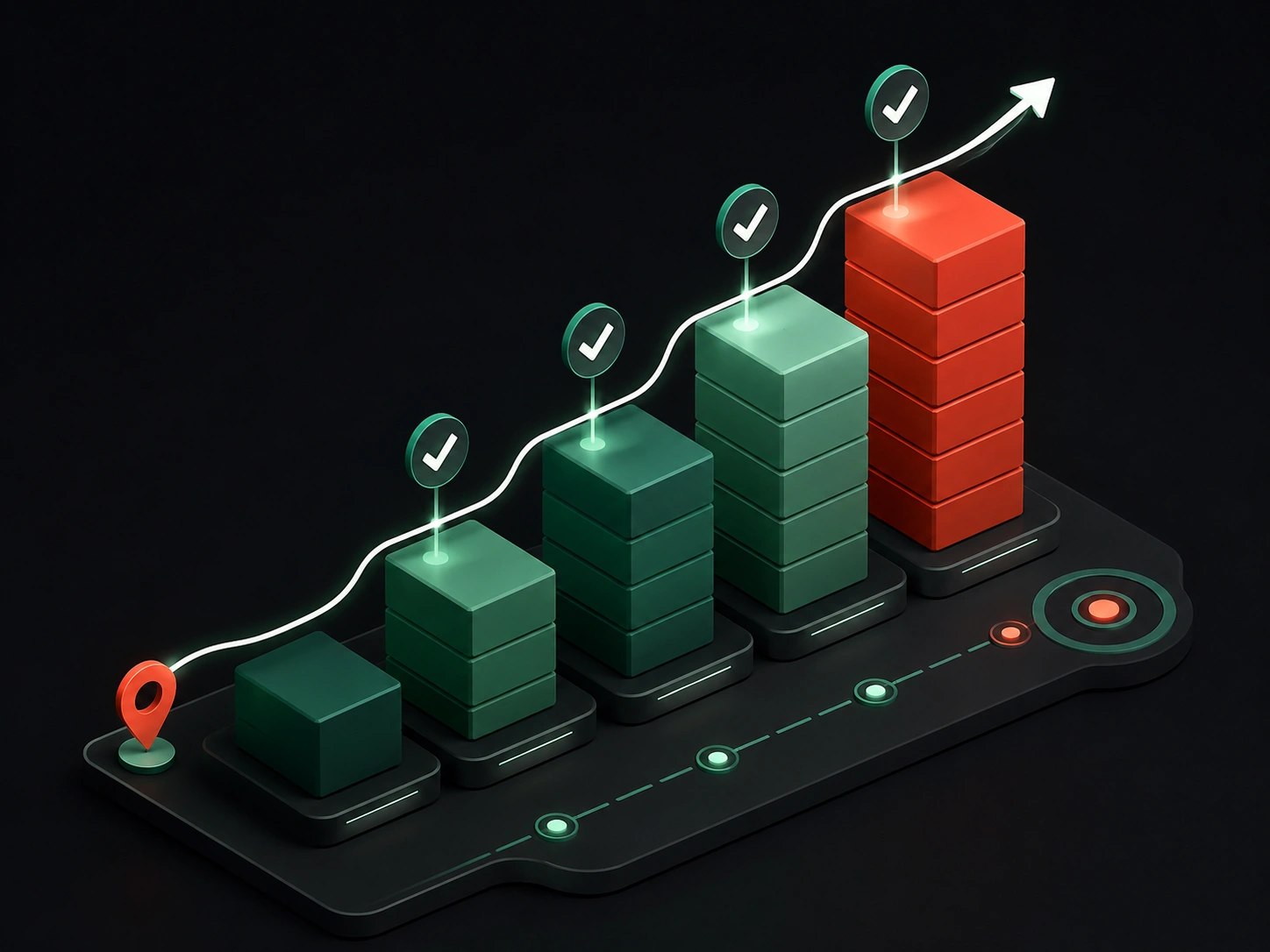
The question is rarely "should we use AI?" — it's "which use case first, what will it cost, and how do we not waste the budget?" As an AI consulting services company that also ships production AI, we answer it in plain numbers: a ranked use-case shortlist, an honest readiness verdict, a CFO-ready business case, and a roadmap you can fund this quarter. We'll even tell you when the smart move is to buy off-the-shelf, or not build at all.













Building software since 2009, validated in numbers

The core consulting deliverable: a costed, board-ready AI roadmap tied to business outcomes — which use cases to build first, which to defer, and which to leave alone — with the use-case discovery and prioritisation that gets you there.
An honest audit of whether you're ready to build: data accessibility and quality, integration surface area, governance gaps, and team capability — scored, with a concrete remediation plan for each gap we find.

The full-spectrum delivery arm behind the strategy — from architecture to production. The pillar capability your roadmap draws on once the priorities are set.

Custom LLM applications, content generation, and GenAI integrations — a common first build coming out of an AI strategy engagement.
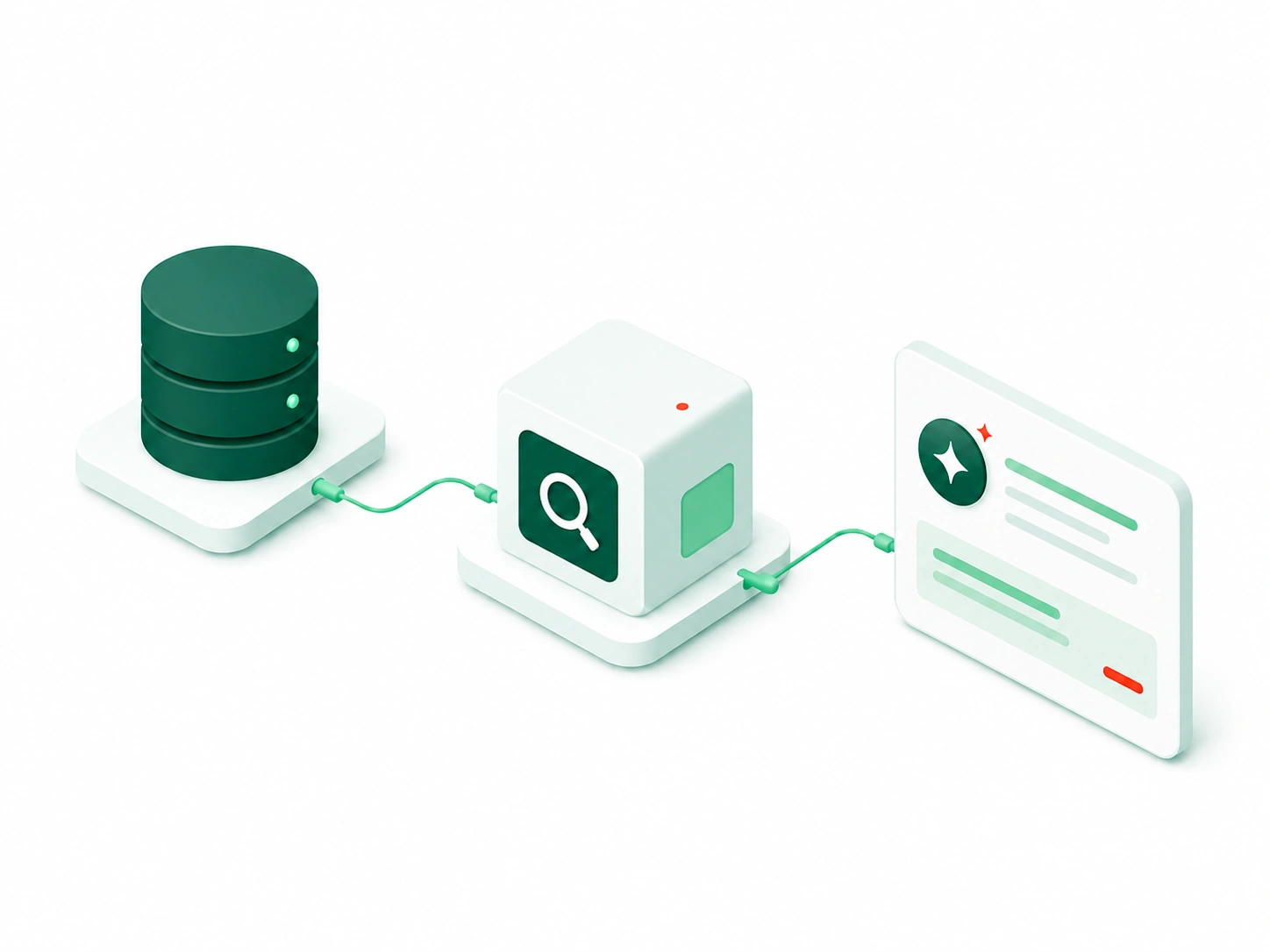
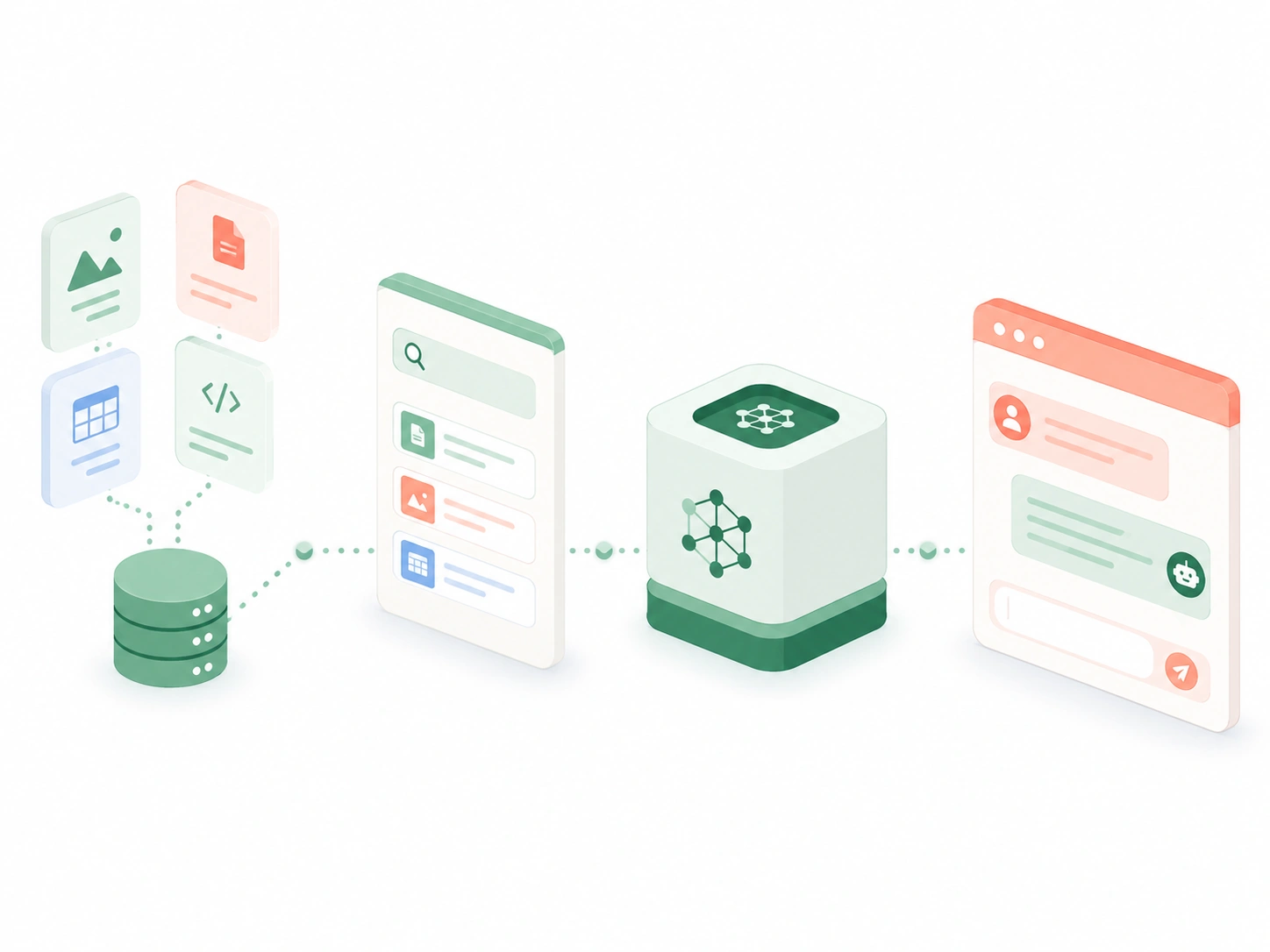
Retrieval-augmented generation that grounds AI in your proprietary knowledge — often the highest-ROI first use case a roadmap identifies.

Production-grade AI agents — single-task to governed multi-agent systems — to deliver the automation initiatives your roadmap prioritises.

Automate end-to-end business processes with adaptive, AI-driven workflows — beyond rigid rule engines — where the strategy points to operational gains.

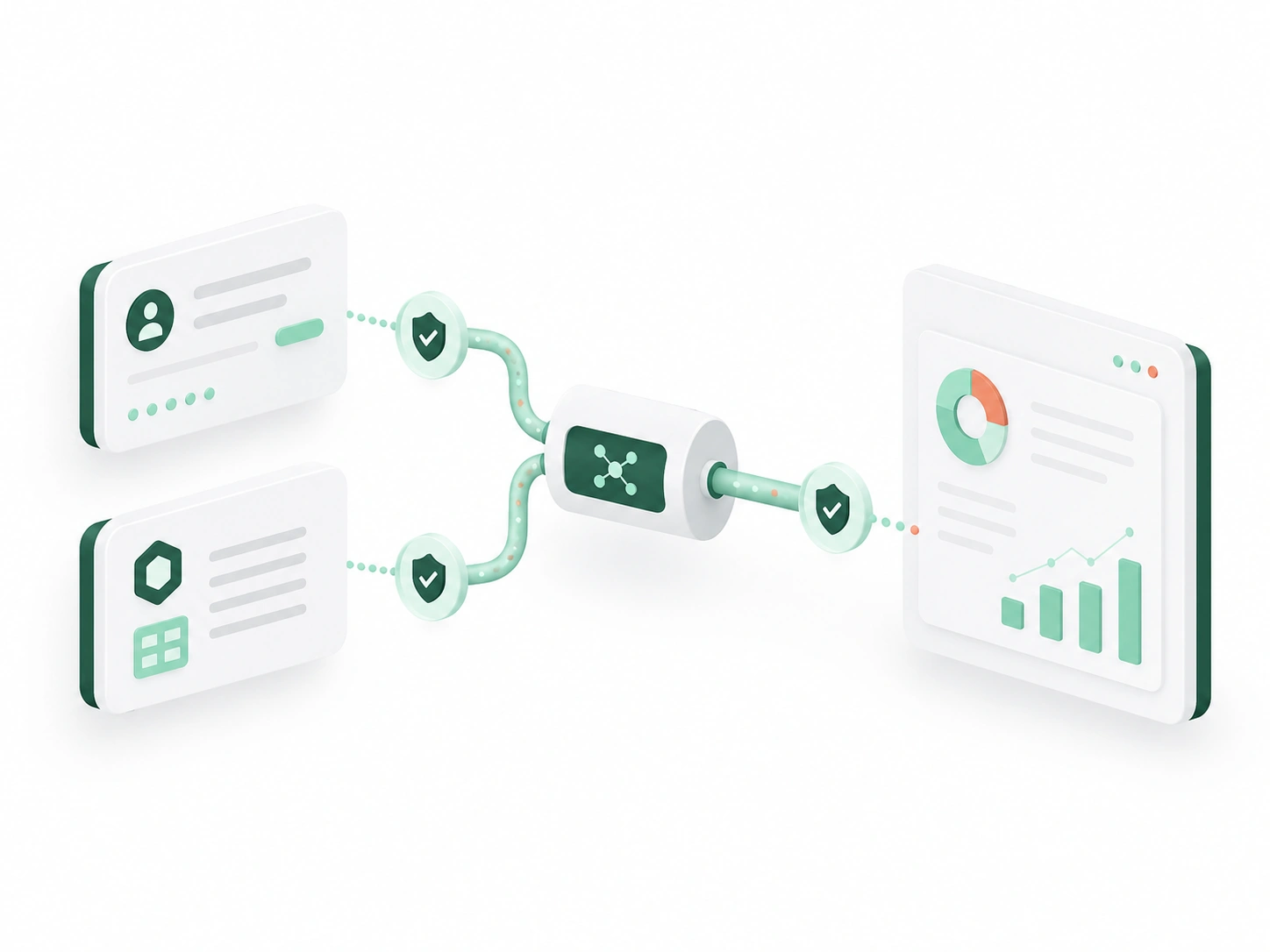
Embed AI into the systems you already run — CRM, ERP, and data warehouses — via secure connectors and APIs, the way the architecture work maps out.

Production LLM applications — fine-tuned models, RAG pipelines, and custom AI interfaces — built on the model and vendor choices the strategy recommends.

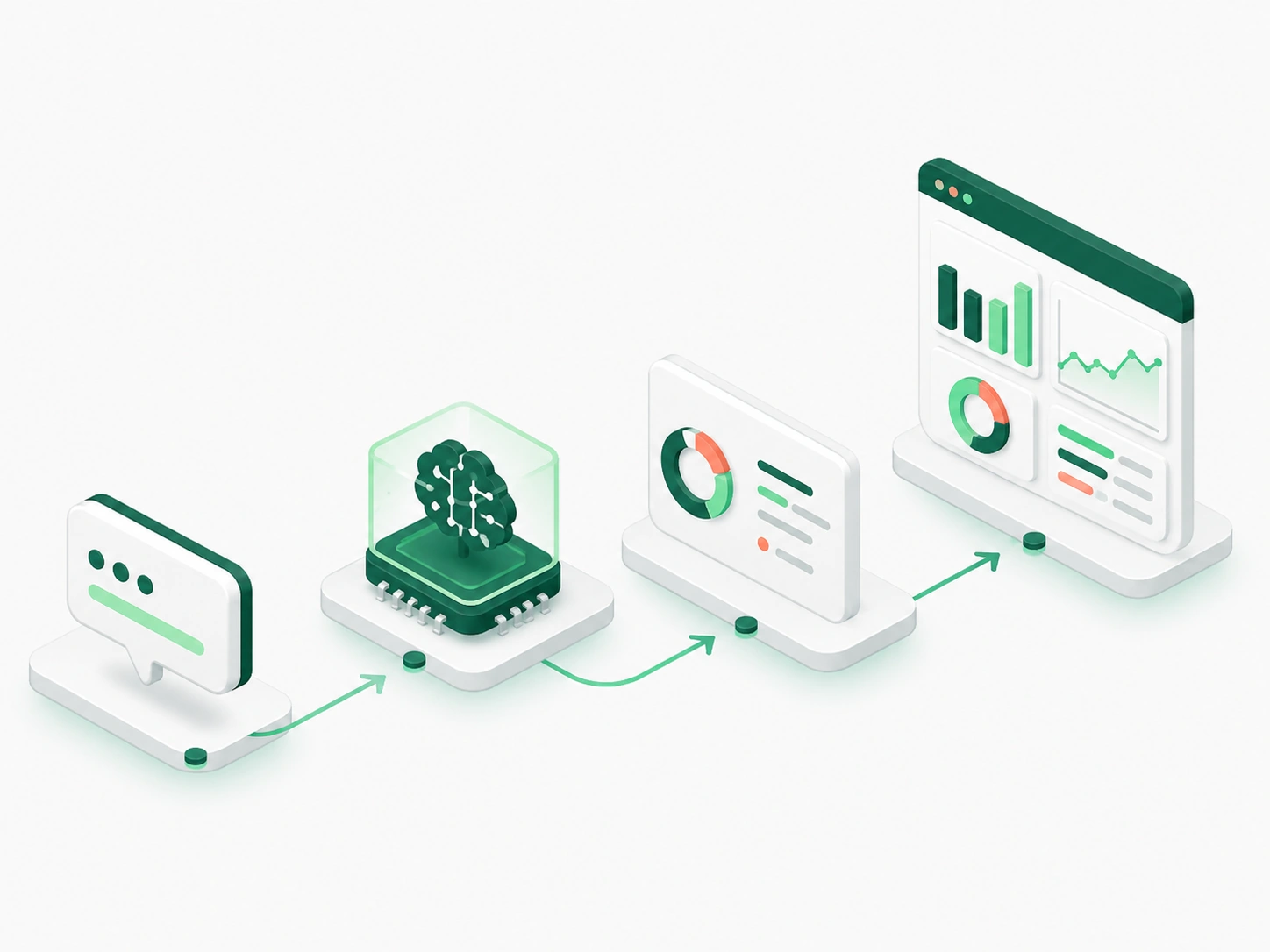
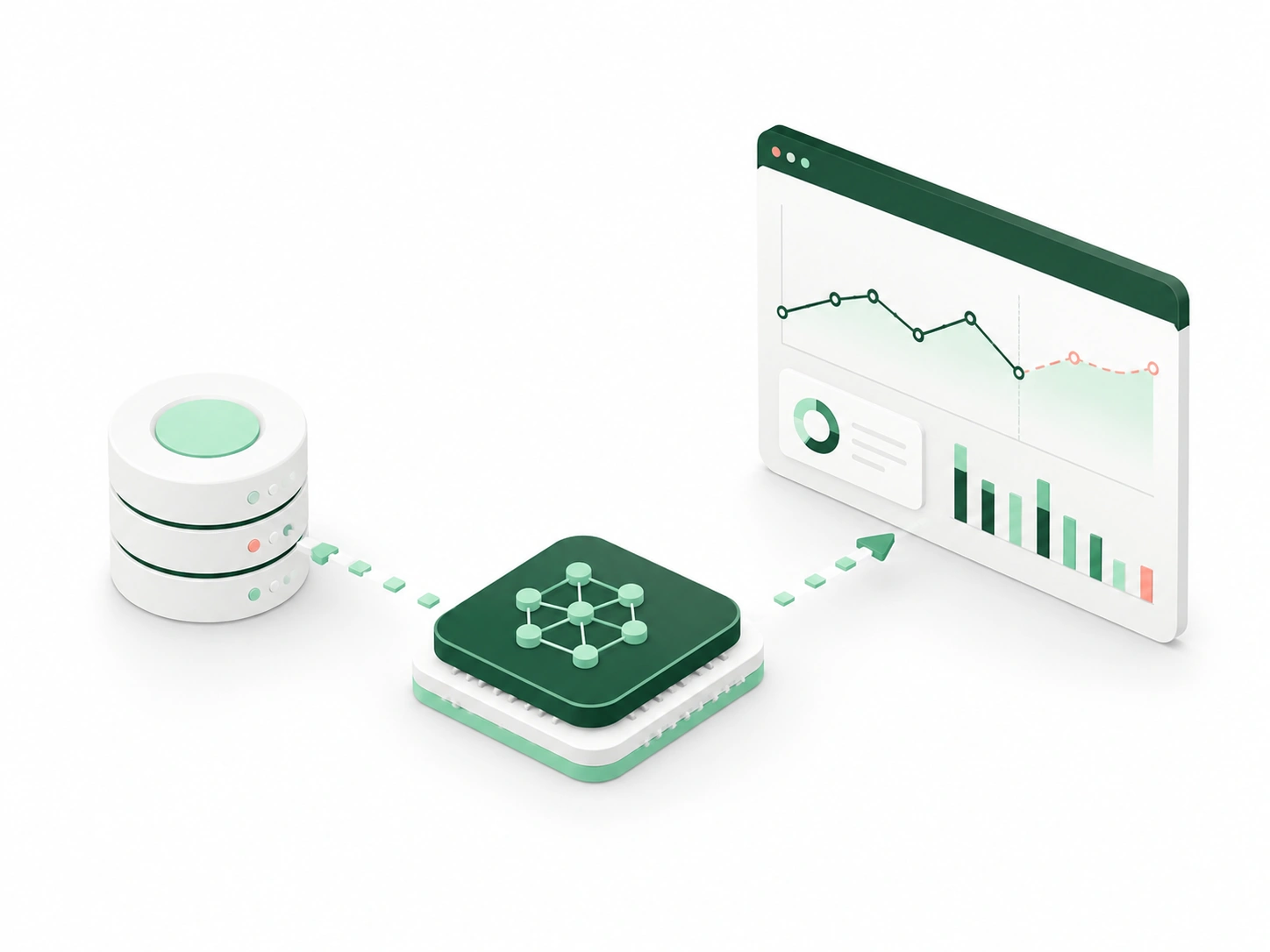
Natural-language analytics over your enterprise data — ask questions, get governed answers, no SQL required — a frequent quick win on the roadmap.

Need senior AI direction on a retainer? Embed our AI consultants and fractional AI leadership (vCAIO) to govern model risk and keep your roadmap honest as things change.
Our AI strategies are tailored to the specific workflows, data environments, and governance requirements of each industry.
Consulting & Advisory AI opportunity mapping, ROI business cases, and governance frameworks for multi-practice consulting firms ready to scale delivery without scaling headcount.
Trusted by Rodic Consultants
 Use-case portfolio scored on value vs. feasibilityProposal & knowledge-retrieval roadmap (DocSense-ready)Phased adoption plan with board-ready ROI model
SaaS & Digital Platforms. Define where AI creates defensible product value — copilots, onboarding, analytics — and the build sequence and economics to ship it.
In-product AI feature prioritisationBuild-vs-buy assessment for AI capabilitiesAI cost and margin modelling per featureEngineering & Infrastructure. Pinpoint where AI improves project knowledge, inspection, and compliance — and, just as importantly, where it doesn't yet pay off.
Project knowledge & document strategy
Inspection & anomaly use-case feasibility studyCompliance automation roadmapFinancial Services. Map AI use cases against regulatory constraints first — document review, KYC, risk, and reporting — with governance designed in, not bolted on.
Regulation-first use-case prioritisationAI model-risk & governance frameworkAudit-ready data and access strategySupply Chain & Logistics. Identify where AI moves real cost — forecasting, vendor ops, inventory — and quantify the return before you build anything.
Demand-forecasting feasibility & ROI modelVendor & inventory use-case mappingData-readiness audit across systemsHealthcare & Research. Assess AI opportunities across document intelligence, research, and patient workflows — with HIPAA and data governance scoped from day one, not retrofitted after launch.
CleanTech & Mobility. Scope AI for sustainability, fleet, and energy operations — and sequence the data work that makes it possible.
Fleet & route-optimisation feasibilityEnergy & ESG reporting automation roadmapSustainability data strategyEdTech Platforms. Prioritise AI across learner support, content, and personalization — with a costed plan and a realistic adoption strategy.
Learning-experience AI use-case mappingContent & assessment automation roadmapBuild-vs-buy and vendor selectionNon-Profits & Foundations Find the AI use cases that stretch limited budgets furthest — grants, donor engagement, and impact reporting.
Grant & fundraising use-case assessmentLow-cost, high-impact AI roadmapImpact-measurement data strategy


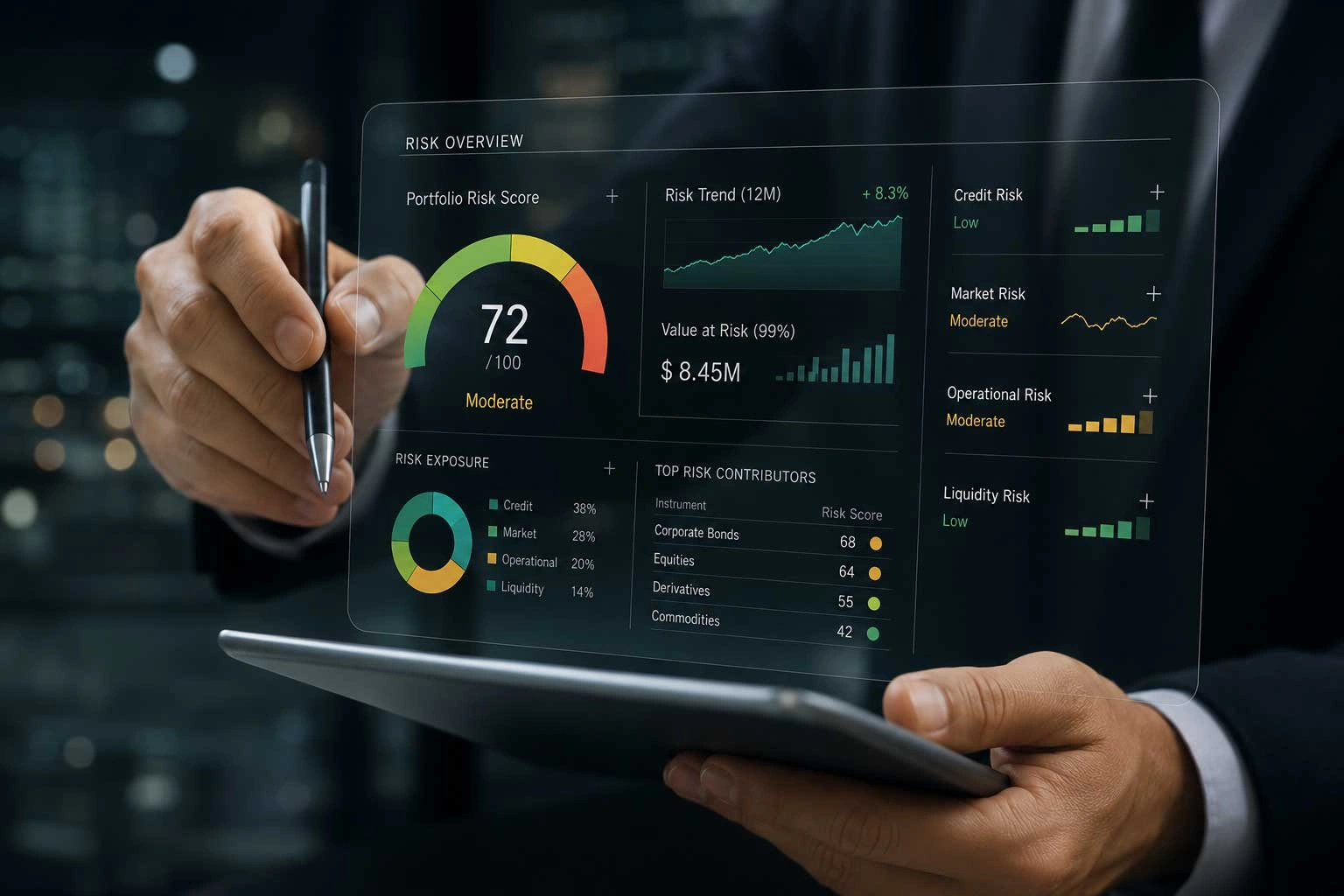




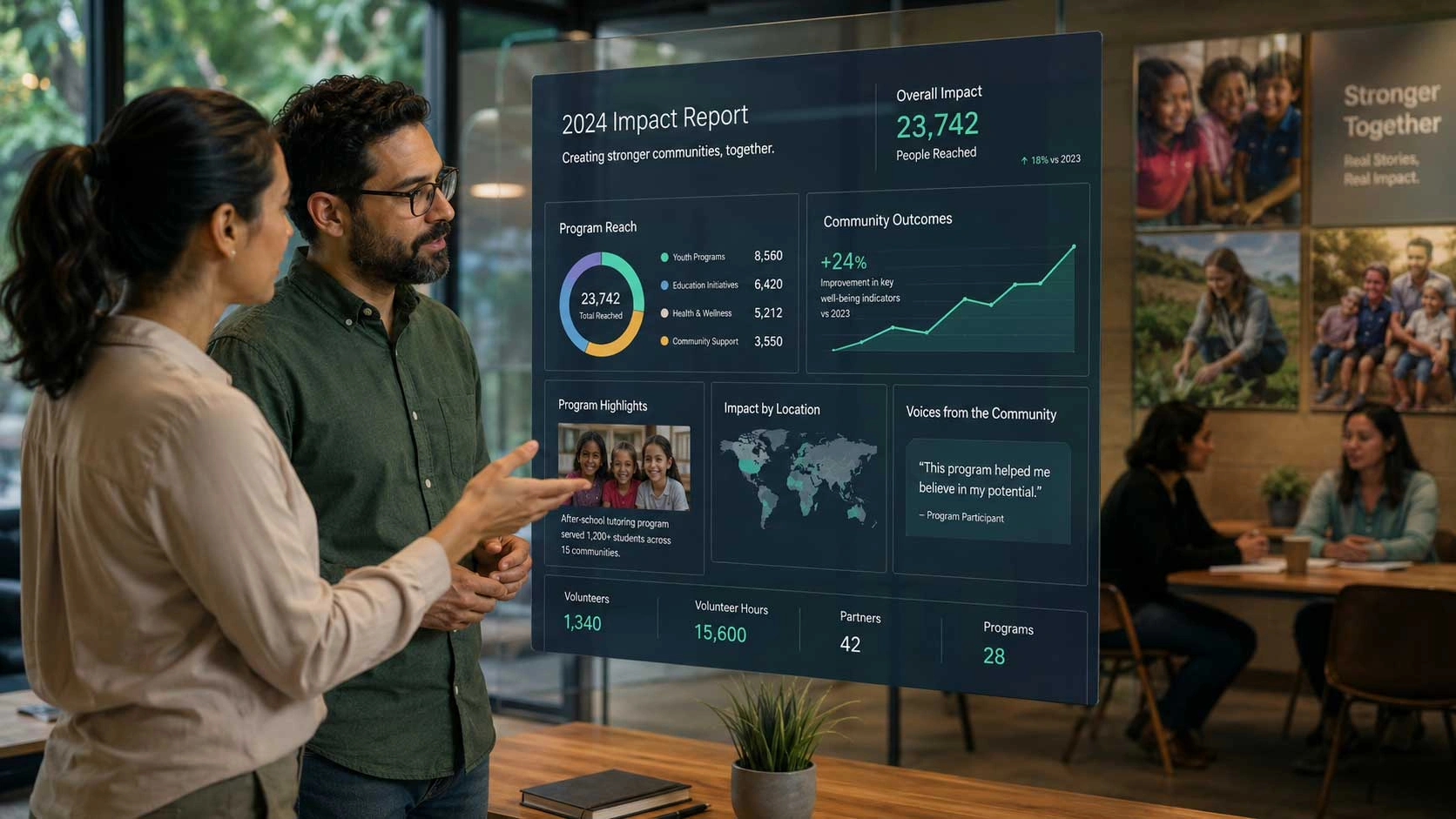
We combine deep AI engineering expertise with enterprise advisory practice — so the roadmap we hand you is buildable, costed, and survives contact with production.
Enterprise software delivery — strategy grounded in shipping real technology across cycles, not just the current AI wave.

Independently certified, annually audited — meets the security baseline enterprise procurement actually checks.

Nine in ten enterprise clients return for follow-on work — the only measure of advisory quality that cannot be faked.


Verified client reviews, independently collected — real feedback from real enterprise engagements.

Certified cloud partnerships with AWS and Microsoft Azure — enterprise infrastructure standards from day one.

DataSense, DocSense, BidSense — proprietary pre-built AI products that de-risk your roadmap and prove value in weeks, not months.

IP, data, and strategy protected before the first discovery call ends — not after contracts are signed. We advise; you own the brief outright.

We stay accountable past the strategy deck — through vendor selection, PoC, and the first build decisions, not just the recommendation.
 What a Good AI Consultant Tells You (That a Vendor Won't)
A vendor's job is to close a build. A consultant's job is to make sure you commission the right one — or save you from the wrong one. Here are the blunt things a good AI advisor says out loud that nobody selling a platform ever will.
Teams agonise over which model or platform to use and barely debate which problem to point it at first. That's backwards — the first choice is the one that quietly decides whether the whole programme lives or dies.

The most common mistake we see is funding the use case that's technically exciting rather than the one that moves a number leadership actually cares about. The model is rarely the bottleneck; the choice of problem is. A vendor is happy to build whatever you point at — a consultant's value is telling you that two of your three favourite ideas aren't worth doing yet.
A visible, measurable result on the first project earns the trust, budget, and momentum for everything after it. A high-profile flop does the opposite — it sets the whole programme back a year and hands the sceptics their argument. So 'what should we do first?' isn't a warm-up question; it's the most consequential decision in the engagement.
We score every candidate on value, feasibility, and how ready your data is, and lay them on one plain grid — so the first project is a decision the room can defend on evidence, not the loudest person's hunch. Getting this right is cheap; getting it wrong is the single most expensive mistake in an AI programme.
A polished vendor demo runs on clean, curated data and a happy path. Your reality is messier — and the gap between the two is where AI budgets quietly disappear.

The demo's data was clean and in one place. Yours is spread across systems, half of it in PDFs and inboxes, with more than one version claiming to be the truth. A vendor won't probe this before the sale; we will — because if your data can't feed the use case, the first line of the plan is data work, not a model.
Technology rarely kills AI initiatives; organisations do. Is there a named owner accountable for the outcome, a sponsor with budget, and a plan for the people who'll decide whether anyone actually uses it? If the honest answer is fuzzy, we'd rather surface it now than watch a working system go unused later.
Before AI touches real decisions you need clear limits on what it can do alone, human checkpoints for the high-stakes calls, and an audit trail. Designed in early, these let AI clear procurement and audit; bolted on late, they're what makes it stall there for months.
A readiness gap is a reason to scope carefully, not to abandon the idea. We sequence the fixes, pick a first use case whose data is already reachable, and get you moving on the achievable thing while the harder foundations are put right. The point is an honest starting line, not a discouraging one.
A firm that only earns when you build will always find a reason to build. We make a point of telling you when you shouldn't — because the cheapest project is the one you correctly decide not to do.

If a mature off-the-shelf product already does the job well, there's rarely an advantage in rebuilding it — and we'll say so, even though it means a smaller engagement for us. Knowing what not to build is half the value of honest advice, and it's the half a vendor has no incentive to give you.
Custom build earns its cost where AI touches your proprietary data, your workflows, or what makes you competitive — there, keeping it in-house keeps the advantage yours rather than handing it to a platform. Everywhere else, building from scratch is usually just expensive pride.
When you need speed or lack in-house AI depth, a delivery partner builds it with you and hands over ownership — far faster than standing up a team from zero. The right partnership is structured to leave your people more capable at the end, not permanently dependent on the partner.
Occasionally the honest call is that a use case isn't ready, the data isn't there, or the return doesn't justify the spend yet. We'd rather tell you that in a workshop than take your money to build something that shouldn't exist — it's the fastest way to earn the next, bigger conversation.
The graveyard of enterprise AI is full of pilots that wowed a room and never reached a user. The demo is the easy 20%; the 80% nobody scoped is what decides whether it ever goes live.

A proof of concept has to work once, for a friendly audience, on tidy inputs. A production system has to work every time, for real users, on messy data, under load, within budget. Those are different engineering problems — and a vendor keen to show progress rarely mentions the second one.
The strategy phase is where you decide what 'production-ready' has to mean — reliability, security sign-off, cost-at-scale, and a named operator — before you've spent the budget chasing it. Plan that early and the PoC becomes the first slice of a real system instead of a dead end.
The pilots that cross into production are the ones where someone scoped what happens when it's wrong, what it costs at ten times the volume, and who runs it on a Tuesday night. The ones that die are the ones where all three were left as 'we'll figure it out later'. Later is where projects go to stall.
We scope the first proof of concept on production-grade foundations with the metric it has to hit agreed up front — so a result that lands carries straight into the build, and gives a cautious board the evidence to fund the next stage. The point of a pilot is to earn the next decision, not to impress in a meeting.
The licence fee or the build estimate is the number everyone studies. The costs that actually sink AI projects — integration, change, and running the thing — are the ones quietly left off the slide.

The model is the tip; connecting it to your real systems — data sources, CRM, ERP, identity, the legacy tools nobody wants to touch — is the mass under the water. It's also where most of the budget and timeline actually go. We size that effort honestly before you commit, so it's a line on the plan, not a nasty surprise in month three.
AI isn't a one-off purchase. Models drift, usage costs accrue, data changes, and someone has to monitor and maintain it. A vendor quotes the build; we make sure you've also budgeted for the years it has to keep working — because a system you can't afford to run was never really affordable.
The cost nobody lists is getting your people to actually use the thing — training, change management, and the rework when they don't. A brilliant system at 15% adoption returns a fraction of its price. We build that effort into the plan rather than assuming usage will look after itself.
Our business case is total cost over time — build, integration, running, adoption, and lock-in — set against a benefit you can measure. A cheap-looking product with punishing lock-in and a build you can't maintain are both expensive mistakes, and the honest comparison is the one that still looks right a year later.
"We deployed an AI solution" is not an outcome. If a recommendation can't be expressed as a figure your CFO recognises, it hasn't earned the budget — and it isn't a strategy, it's an experiment with a press release.

The number you'll be judged on — cost per case, hours per task, conversion, turnaround, error rate — should be agreed before a line of code is written, not reverse-engineered afterwards to make the project look good. A vendor rarely volunteers the metric; a consultant insists on it, because it's what separates a real result from a nice demo.
A credible business case is built on your costs, your volumes, and your baseline — not a vendor's case study from a different company in a different market. We model the build-and-run cost against the measurable benefit so the return survives a finance review instead of dying in it.
You can't prove improvement without a clear 'before'. We capture the starting numbers up front, so when the AI ships you can show the difference and credit it honestly — rather than arguing about whether it helped. The baseline is unglamorous and it's exactly what makes the result defensible.
A measured, attributable win on the first project is the most persuasive thing you can take back to the board — far more than enthusiasm. Numbers compound: each provable result unlocks the budget and trust for the next initiative, which is how a single PoC turns into a programme.
Week 1
We meet your stakeholders, understand the business goals, and map the current state — systems, data, and where AI is already being tried.
Executive & stakeholder interviewsBusiness goal & success-metric definitionCurrent-state systems & data inventoryExisting AI pilot & tooling reviewConstraints, risk appetite & budget framingWeeks 1–2
We surface every candidate use case, score each on value, feasibility, and data-readiness, and agree the shortlist worth pursuing.
Use-case discovery workshopsValue vs. feasibility scoringData-readiness assessment per use caseQuick-win vs. strategic-bet mappingPrioritised shortlist sign-offWeeks 2–3
We assess whether the shortlist is buildable — data, integration, governance, and team capability — and design a reference architecture.
Data maturity & source-of-truth auditIntegration surface-area mappingBuild-vs-buy & vendor evaluationReference architecture & security reviewGovernance & compliance gap analysisWeeks 3–4
We turn the shortlist into a costed business case — build cost, run cost, time-to-value, and the return modelled in your numbers.
Cost-to-build & cost-to-run estimatesROI model in your business metricsTime-to-value & payback analysisRisk & sensitivity assessmentExecutive-ready business caseWeeks 4–6
We deliver a sequenced 12–18 month roadmap and a governance blueprint — a plan your leadership can fund and your teams can execute.
Sequenced 12–18 month roadmapPhase-one PoC scope & success criteriaAI governance & responsible-AI frameworkTeam & change-management planBoard-ready strategy presentationBook a free 30-minute discovery call with a senior AI consultant — no slide deck, just questions about your workflows, your data, and your goals.










Enabled users to retrieve operational, financial, and project insights through natural language queries, transforming complex data analysis into instant, self-service intelligence.
See case study
 <12 Seconds
  10+ Systems
  Days → Minutes
  95%+
95%+ We stay vendor-neutral and current across the AI landscape — models, orchestration frameworks, vector databases, and deployment infrastructure — so we can recommend the right combination for your architecture, use case, and security requirements, not the one we happen to sell.
State-of-the-art models for reasoning, generation, and tool use.
 OpenAI GPT-4
 Claude
 Google Gemini
 Cohere
 Mistral
Coordinate agents, tools, and workflows with reliability and control.
 LangChain
 LangGraph
 AutoGen
 CrewAI
High-performance vector databases for semantic search and retrieval.
 Pinecone
 Weaviate
 Milvus
 Qdrant
 Chroma
Store, recall, and manage agent memory and long-term state.
 Redis
Redis
 PostgreSQL
 Zep
Zep
 LangMem
Modern languages and runtimes for building AI applications.
 Python
 TypeScript
 Node.js
 FastAPI
Connect to tools, APIs, and external systems seamlessly.
 MCP
MCP
 REST APIs
 GraphQL
 n8n
n8n
 Zapier
 Webhooks
Monitor, trace, and evaluate AI systems in production.
LangSmith
 Langfuse
 OpenTelemetry
 Grafana
 Prometheus
Enterprise-grade cloud services and infrastructure foundations.
 AWS Bedrock
 Azure OpenAI
 GCP Vertex AI
 Docker
 Kubernetes
Enterprises trust VOCSO for AI consulting services built to scale securely and meet regulatory standards. We design enterprise-grade AI systems that balance innovation with compliance across AWS, Azure, and Google Cloud.

General Data Protection Regulation

Information Security Management Systems
System and Organization Controls

For AI applications in healthcare
Responsible AI principles and implementation
AI Risk Management

Principles and implementations

India’s personal data protection framework

Auditability frameworks

Standards and evaluation practices
 Fixed-Price POC
Validate an AI agent use case with a low-risk, fixed-scope engagement designed to prove value, feasibility, and ROI before committing to a full build.
4–6 week delivery timeline Defined scope & success criteria Low commitment, fixed budget Executive-ready ROI assessment Dedicated AI Team
A cross-functional AI agent team embedded into your environment — working within your processes, security requirements, and communication tools.
AI, Data & MLOps specialists Named delivery lead Works within your NDA & security policies Scalable team composition Project-Based
End-to-end delivery of a defined AI agent capability with fixed scope, timeline, and commercial terms. Full knowledge transfer and documentation included.
Fixed scope & pricing Defined milestones & deliverables Dedicated project management Knowledge transfer & documentationLet's discuss the right engagement model for your project?
Book a call
First-hand experiences from firms that built their AI strategy with us, scaled intelligently, and achieved measurable results.
View all client testimonials“Vocso team has really creative folks and is very co-operative to implement client project expectations. MicroSave Consulting had great experience working with Anju and Prem.”

“Working with Deepak and his team at Vocso is always a pleasure. They employ talented staff and deliver professional quality work every time.”

“We love how our website turned out! Thank you so much VOCSO Digital Agency for all your hard work and dedication.”

“VOCSO SEO & SEM services helped me find new customers in a small budget. Their advanced SEO strategies made us visible to everyone.”

“Vocso team has really creative folks and is very co-operative to implement client project expectations. MicroSave Consulting had great experience working with Anju and Prem.”
“Working with Deepak and his team at Vocso is always a pleasure. They employ talented staff and deliver professional quality work every time.”
“We love how our website turned out! Thank you so much VOCSO Digital Agency for all your hard work and dedication.”
“VOCSO SEO & SEM services helped me find new customers in a small budget. Their advanced SEO strategies made us visible to everyone.”
The biggest waste in enterprise AI isn't a failed build — it's months spent on a use case that was never worth doing.
Every enterprise has more AI ideas than budget. The job of strategy is not to generate more ideas — it's to rank the ones you have and fund the few that matter. We score every candidate use case on four axes, so the decision is evidence-based, not political.
Business value — How much time, cost, or risk does this use case actually move, measured in your numbers? Ideas that can't be quantified go to the back of the queue.
Feasibility — Is this buildable with today's models and your systems, or does it depend on capabilities that don't exist yet? We separate the achievable from the aspirational.
Data-readiness — Does the data this use case needs exist, is it accessible, and is it clean enough to rely on? This is where most attractive ideas quietly fail.
Strategic fit & risk — Does it align with where the business is going, and what's the downside if it goes wrong? High-consequence use cases need governance before a green light.
At VOCSO, the output is a ranked portfolio your leadership can fund in one meeting — quick wins to build confidence, strategic bets to build advantage, and a clear list of what to deliberately not do yet.
Readiness is the cheapest insurance in AI. A two-week assessment routinely prevents a six-figure mistake.
An AI strategy built on assumptions about your data and your organisation is a wish, not a plan. Before we recommend anything, we assess readiness honestly across four dimensions — and tell you which gaps to close first.
Data maturity — Is the data accessible, governed, recent, and reconciled to a single source of truth? The majority of failed AI projects fail here, not on the model.
Integration surface area — How many systems does each use case touch, and how well are they documented? Each integration point is a cost and a risk to map early.
Organisational readiness — Is there a named owner, an executive sponsor with budget, and a plan for adoption and for the sceptics who ultimately decide it?
Governance maturity — Do you have, or can you stand up, the authority scopes, oversight, and audit trail that regulated and client-facing AI demands?
We deliver a readiness scorecard with a remediation plan for every gap — so your strategy is sequenced around reality, and you know what to fix before, not after, you start building.
A business case the CFO doesn't believe is just a slide. The number has to survive scrutiny.
Most AI business cases die in the finance review because they lean on vendor averages and vague 'productivity gains'. We build the case in your numbers, with both sides of the ledger, so it holds up under questioning.
Total cost of ownership — Not just build cost, but cost-to-run: inference, infrastructure, monitoring, and the human oversight governance requires. The running cost is what surprises people.
Quantified benefit — The specific hours saved, error rates reduced, or revenue moved — tied to a baseline you can measure today, so the 'before' isn't disputed later.
Time-to-value & payback — When does the initiative start returning, and over what horizon does it pay back? A 14-month payback and a 3-month one are different decisions.
Sensitivity & risk — What happens to the return if adoption is half what we assume, or the model underperforms? A defensible case shows the downside, not just the headline.
The deliverable is an executive-ready business case you can take into a board meeting — modelled conservatively, sourced transparently, and built to withstand the questions a sceptical CFO will ask.
The most expensive AI decision isn't which model to use — it's whether to build at all.
For every use case there are three paths: build it yourself, buy an off-the-shelf product, or partner to deliver it. The right answer depends on differentiation, control, and total cost — and getting it wrong is expensive in both directions.
Buy when it's a commodity — If a mature product solves the problem and the capability isn't a competitive differentiator, building it yourself is usually a waste of engineering you can't spare.
Build when it's your edge — If the use case touches proprietary data, workflow, or IP that differentiates you, owning it is worth the investment. We help you tell the difference honestly.
Partner to de-risk the first move — A delivery partner is often right for the first build: production-grade speed without hiring a permanent team before you've proven the value.
Count the real total cost — Licences, integration, change management, and lock-in all belong in the comparison. The cheapest sticker price is rarely the cheapest decision.
We make this call against your constraints, not our commercial interest — and because we're model- and vendor-agnostic, we're free to tell you when the right answer is to buy, or to wait.
Governance isn't the brake on your AI programme — it's what lets it pass procurement and ship.
For enterprises and regulated firms, governance is not a compliance checkbox at the end. It is the framework that decides what AI is allowed to do, what needs human approval, and what must never happen — designed up front so it accelerates approval instead of blocking it.
Authority & oversight model — A clear definition, per use case, of what the system can do autonomously, what requires human sign-off, and what is out of bounds entirely.
Human-in-the-loop design — Defined checkpoints where a person reviews high-consequence outputs before they take effect — calibrated so oversight is meaningful, not theatre.
Auditability & explainability — The logging, traceability, and explanation capability that let you answer a regulator's or a client's questions with evidence, not assurances.
Model & data risk policy — How models are selected, versioned, and monitored for drift; how data is handled, retained, and protected across the AI lifecycle.
At VOCSO, the governance framework is part of the strategy deliverable — independent of any specific model or vendor — so AI clears your security review and becomes a competitive asset rather than a stalled risk item.
A roadmap that never gets built is an expensive document. The point of AI consulting isn't the deck — it's a plan that survives contact with delivery and reaches production.
This is where a consultancy that can also build has a real edge: the strategy is grounded in what's actually deliverable, and the handoff from advice to execution doesn't lose momentum. We design the bridge from roadmap to running system explicitly.
Scoped first PoC — A fixed-scope, fixed-price proof of concept on your highest-value use case, with success criteria agreed upfront, so you validate value before committing to a full build.
A production-ready path — We plan reliability, cost-at-scale, security review, and ownership from the start, so the PoC extends into production instead of being thrown away.
Build with us or your team — The roadmap and architecture are vendor-neutral and buildable by any competent team; we can execute it end-to-end, or enable yours to.
Measured against the business case — We instrument the agreed ROI metrics from day one, so the value the strategy promised is provable once it ships.
At VOCSO, consulting and delivery sit under one roof — so 'what should we do?' flows straight into 'here's the working system', without the gap where most AI roadmaps quietly stall.
You delivered exactly what you said you would in exactly the budget and in exactly the timeline.







 Transparency on every decision Talented Team of AI Engineers Smooth Collaboration & Reporting Efficient & Adaptive Workflow Strict Privacy Assurance with NDA 12 Months Free Post-Launch Support On-time Delivery, No Surprises ISO 27001 Certified Engineering
Most firms start with one question — where will AI actually pay off? We help you map the use cases, assess readiness, and deliver a costed, board-ready roadmap in 4–6 weeks. No open-ended retainers. No ambiguous scope.
deepak@vocso.com — no forms, no funnels.
Most clients begin with a fixed-price AI Strategy Sprint in the $12,000–$25,000 range — the figure moves with how many use cases you want assessed and how deep the readiness review goes. Prefer ongoing senior direction to a one-off sprint? Fractional AI leadership (vCAIO) runs as a monthly retainer, and firm-wide, multi-unit strategy programmes are quoted on their own. The opening 30-minute call is free, and we'll happily tell you when a full engagement is overkill for where you actually are.
Four deliverables, all yours to keep: a shortlist of AI use cases ranked by value, feasibility, and how ready your data is; a readiness scorecard that names every gap and how to close it; a business case modelled in your numbers rather than industry averages; and a sequenced roadmap that says what to fund first, what to park, and what to walk away from. When it speeds things up we'll also scope a fixed-price first proof of concept — so the strategy doesn't end at a slide, it ends at something you can build.
A strategy sprint usually lands in four to six weeks — long enough to interview the right people, audit your data and systems, model the business case, and hand over the roadmap; short enough that the answer is still current when you get it. Programmes spanning several business units take longer, and a fractional-leadership retainer is open-ended by design. Whatever the shape, we lock the end date and the deliverables before we begin, so 'done' is never a moving target.
It's a clear-eyed audit of whether you can build and operate AI yet, scored on four things: whether your data is reachable and trustworthy, how many systems each use case has to plug into, whether there's a real owner and sponsor behind it, and whether you can put oversight and an audit trail around it. You probably need one if you're not certain your data and systems can carry the ideas on your wishlist — which describes most organisations. The uncomfortable truth is that the majority of AI projects that fail, fail on data and readiness rather than the model, and those gaps are far cheaper to expose in a half-day workshop than three months into a build.
We catalogue the candidate use cases across your business, put each through the same lens — what it's worth, how feasible it is, and whether your data can support it — and plot them on a plain value-versus-effort view. What comes out is a shortlist leadership can settle in one sitting, with the deferrals and dead-ends called out just as clearly as the winners. The first project we point you at is the one most likely to post a result you can measure and use to unlock the budget for the next — not whichever idea had the loudest champion in the room.
Almost always — committing a full programme budget before you've seen anything work is exactly how money gets wasted. We scope a tight, fixed-price proof of concept on your single best use case, with the number it has to hit agreed in advance. What sets it apart from a throwaway demo is that we plan it like the first slice of a real system, settling what 'production-ready' has to mean up front, so a result that lands carries straight into the build — and gives a wary board the proof it needs to back the next stage.
We treat feasibility as homework done before the cheque is written, not a surprise met halfway through delivery. For each shortlisted use case we trace exactly what it has to connect to — your data sources, CRM or ERP, document stores, BI, sign-on — and put a realistic effort and risk against every link. You come away with a reference architecture for the priorities: a blueprint covering pipelines, retrieval, orchestration, integration, and security that your team or ours can pick straight up. The whole idea is to meet the awkward integration problems on a whiteboard, where they cost almost nothing to fix.
Two threads run in parallel from day one: getting your data into a state AI can actually use — one source of truth, clean access, the pipeline work nobody enjoys — and deciding how the system will be kept in check. The control side covers what the AI may do on its own, where a human signs off, what gets logged, and how models and data are handled over their life. We shape it to stand up to the questions your security, audit, and (where they apply) regulatory reviewers will ask, rather than treating compliance as paperwork bolted on at the finish. And if data can't leave your walls, we plan for that too — including a self-hosted route.
We can do both, and we keep them honestly separate. The strategy is given without a thumb on the scale — we're not steering you into a build to feed our own pipeline, and we'll name the moments when buying, or doing nothing, beats building. But where you do decide to build, we can take it from roadmap to running system, which keeps the advice tethered to what actually ships rather than what reads well in a document. Take the plan in-house, hand delivery to us, or have us prove the first PoC and coach your team onto the rest — the work is yours whichever route you pick.
Because you get a straight answer and something you can act on. We lead with strategy and stay vendor-neutral, so the recommendation serves your interests — up to and including 'don't build this.' Every engagement ends in things you can put to work — a costed roadmap, a readiness verdict, a governance framework, a scoped PoC — instead of a deck that ages quietly on a shared drive. And because the same firm can build what it advised, there's no cliff edge between the strategy and the system, which is precisely where most AI plans die. You also deal with the senior people doing the thinking, not an account manager relaying it.
Discover complementary services that enhance performance, improve user experience, and help your business build scalable digital solutions efficiently.