Since 2009
Enterprise software delivery — a track record built across technology cycles, not just the current AI wave.


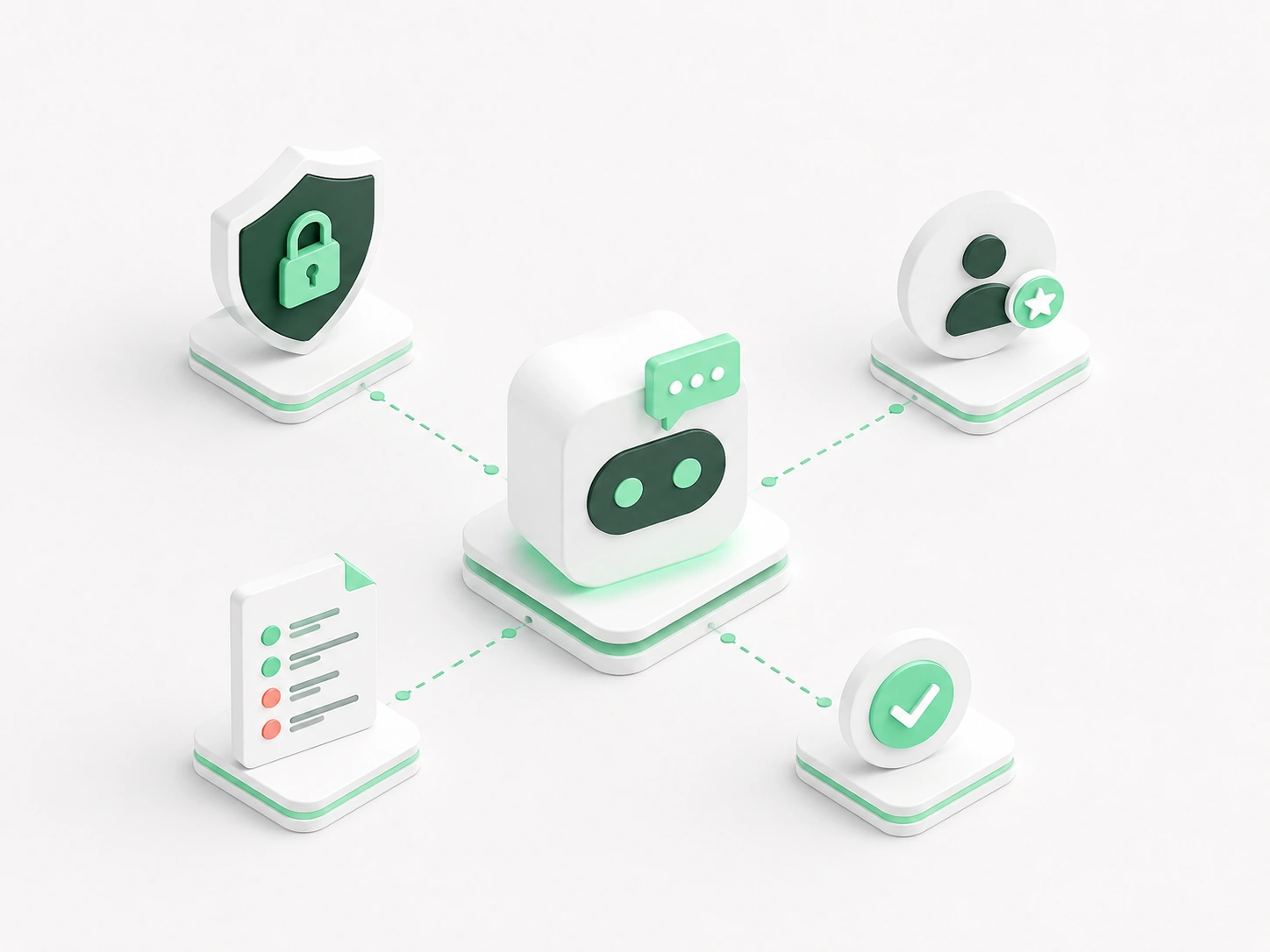
Most AI doesn't fail because the model is weak — it fails at the seams, where it has to reach your CRM, ERP, data warehouse, and the legacy systems nobody wants to touch. That's the part we specialise in: secure, identity-first integrations that pass security review, survive API changes, and put AI inside the tools your team already opens — no rip-and-replace, no data leaving its perimeter.













Building software since 2009, validated in numbers
Connect AI to your proprietary knowledge — SharePoint, Confluence, document repos, databases — with permission-aware, always-current retrieval and cited answers.

Agents that act across your connected systems — reading data and triggering actions — with tools, memory, and human-in-the-loop controls.

Production LLM apps wired into your data and tools — copilots, assistants, and document intelligence engineered for reliability, not demos.

Slot AI steps into your automation layer — n8n, Zapier, or custom orchestration — so AI triggers actions across the tools you already connect.
Custom GenAI features and copilots, built to plug into the systems and data they need rather than stand apart from them.

Natural-language analytics wired to your data warehouse — ask questions in plain language and get governed answers, no SQL required.

Secure, governed chatbots integrated with your CRM, knowledge base, and identity — with RBAC and audit logs built in.

Not sure what to connect first? Strategy and a costed roadmap that sequences your AI and integration investments before you build.

Connect AI to Salesforce, HubSpot, SAP, Oracle, Dynamics, ServiceNow, SharePoint, and Jira through their native APIs — plus the pipelines and event-driven syncs that keep it working on current, clean data.

Reach the systems with no clean way in — old ERPs, custom databases, on-prem tools — via MCP and structured API wrappers, plus the middleware, queues, and adapters that handle auth, rate limits, and retries. No rip-and-replace.
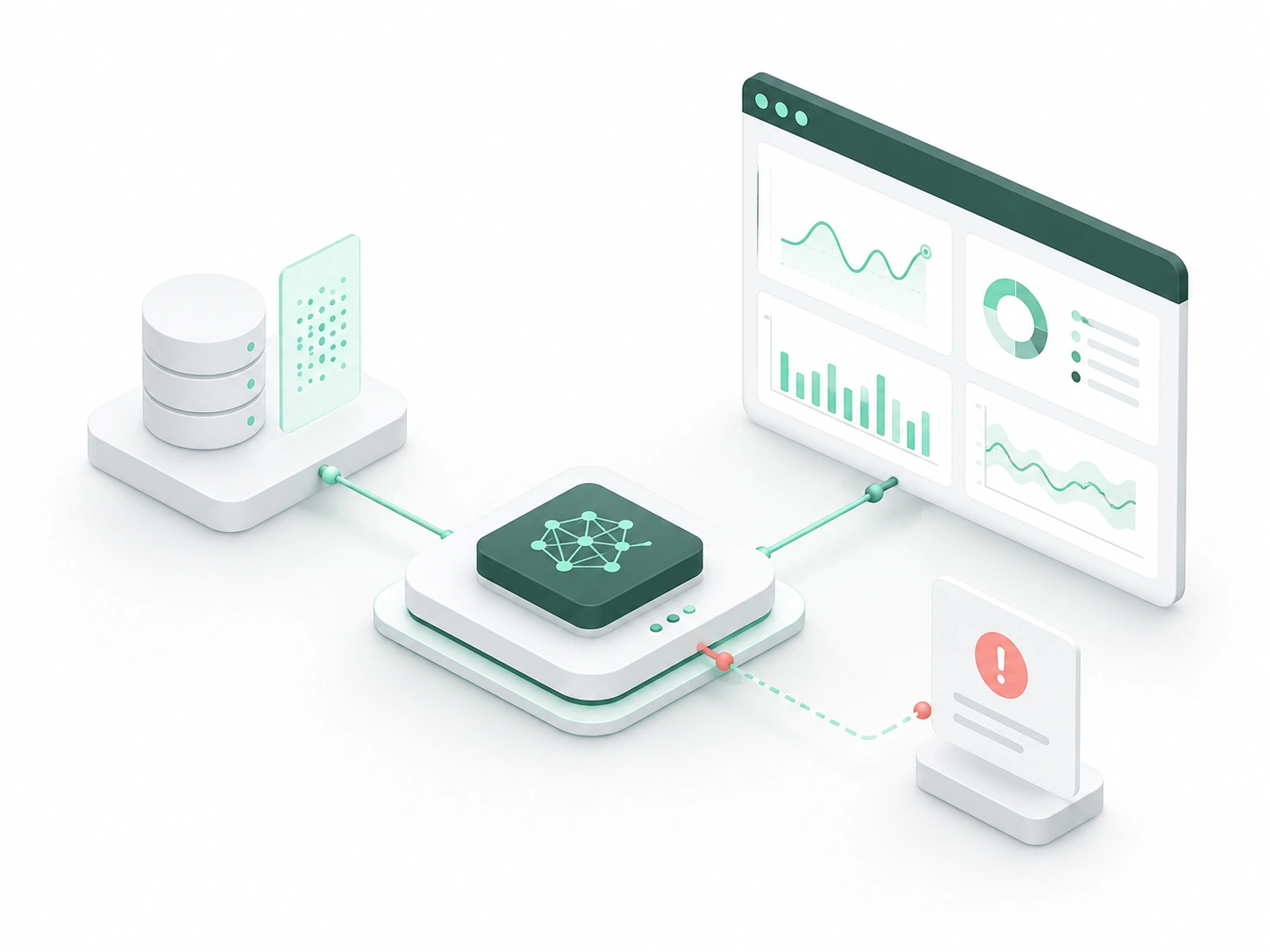
Identity-first connections between AI and your systems — SSO/OAuth, least-privilege per action, no persistent credentials in the runtime, and a full audit trail of every call AI makes, plus monitoring so a broken connection is caught early.
Our AI integrations are tailored to the specific systems, data environments, and security requirements of each industry.
Consulting & Advisory Integrate AI into the CRM, document, and project systems multi-practice consulting firms already run on.
Trusted by Rodic Consultants
 CRM & proposal-system connectorsProject-archive integration (2,100+ projects at Rodic)Document-repository sync with access controls
SaaS & Digital Platforms. Embed AI into your product and backend — APIs, webhooks, and data pipelines that connect AI to your app without re-platforming.
In-product AI API integrationEvent-driven & webhook integrationUsage-data pipelines for AI featuresEngineering & Infrastructure. Connect AI to project, document, and inspection systems so it works across the data your teams generate on site and in the office.
Document-management system connectors
Field & inspection data pipelinesLegacy system API wrappersFinancial Services. Governed integrations between AI and core banking, CRM, and document systems — with identity-first access and full audit trails.
Core-system & CRM connectorsZero Trust access & audit loggingCompliant document-repository syncSupply Chain & Logistics. Connect AI to ERP, WMS, and vendor systems so it acts on live inventory, shipment, and order data.
ERP & WMS integrationReal-time shipment & event integrationVendor-system & EDI connectorsHealthcare & Research. HIPAA-aware integrations between AI and your EHR, document, and research systems — with strict data controls and least-privilege access enforced on every connection.
CleanTech & Mobility. Connect AI to telemetry, fleet, and energy systems through real-time and event-driven integration.
Telemetry & IoT data pipelinesFleet & energy system connectorsReal-time event integrationEdTech Platforms. Integrate AI with your LMS, SIS, and content systems so it works across the learner data you already hold.
LMS & SIS connectorsContent-repository integrationLearner-data pipelines with access controlsNon-Profits & Foundations Connect AI to your CRM, grants, and donor systems without a costly re-platform.
Donor-CRM & grants-system connectorsDocument & reporting integrationLow-cost API wrappers for legacy tools


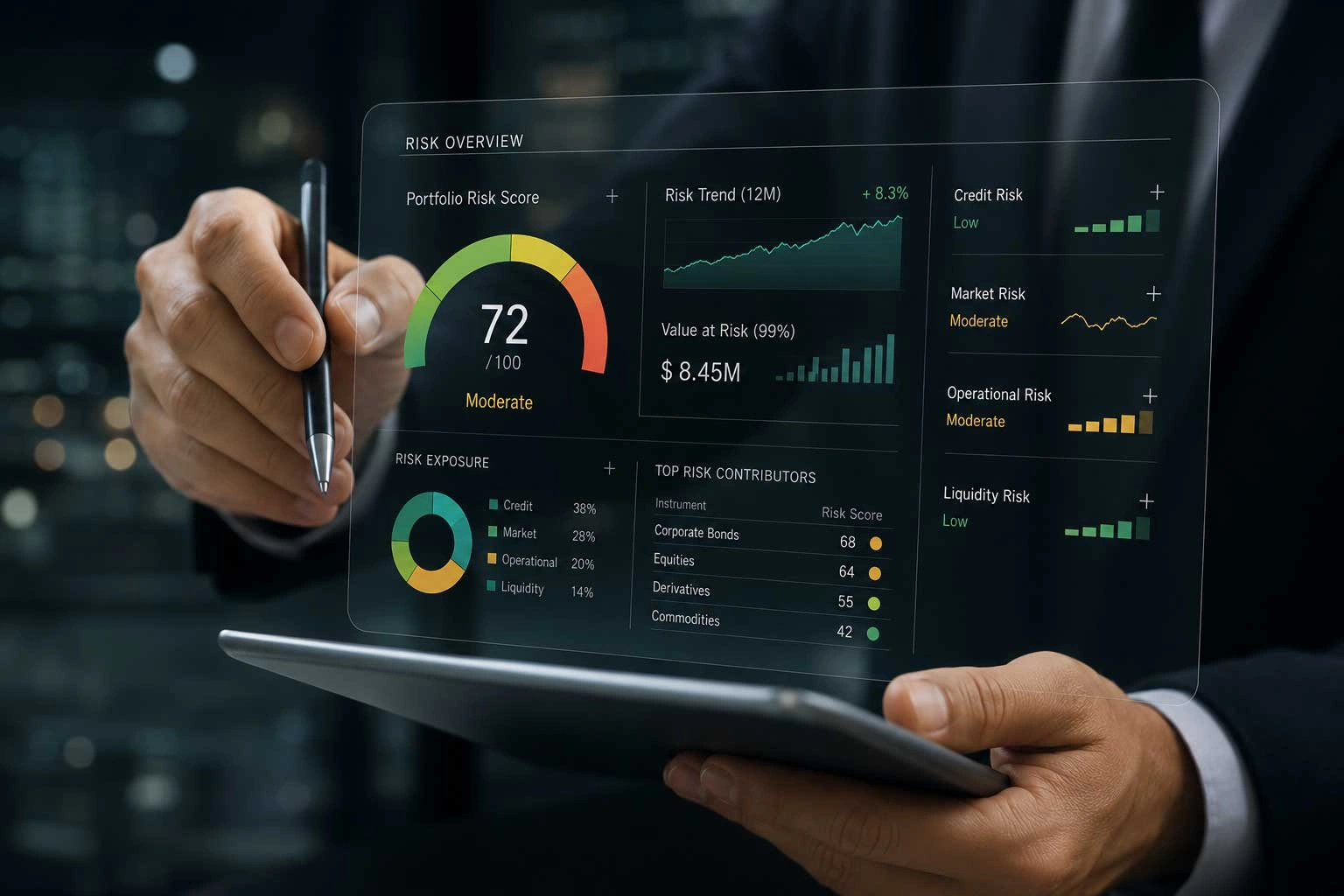
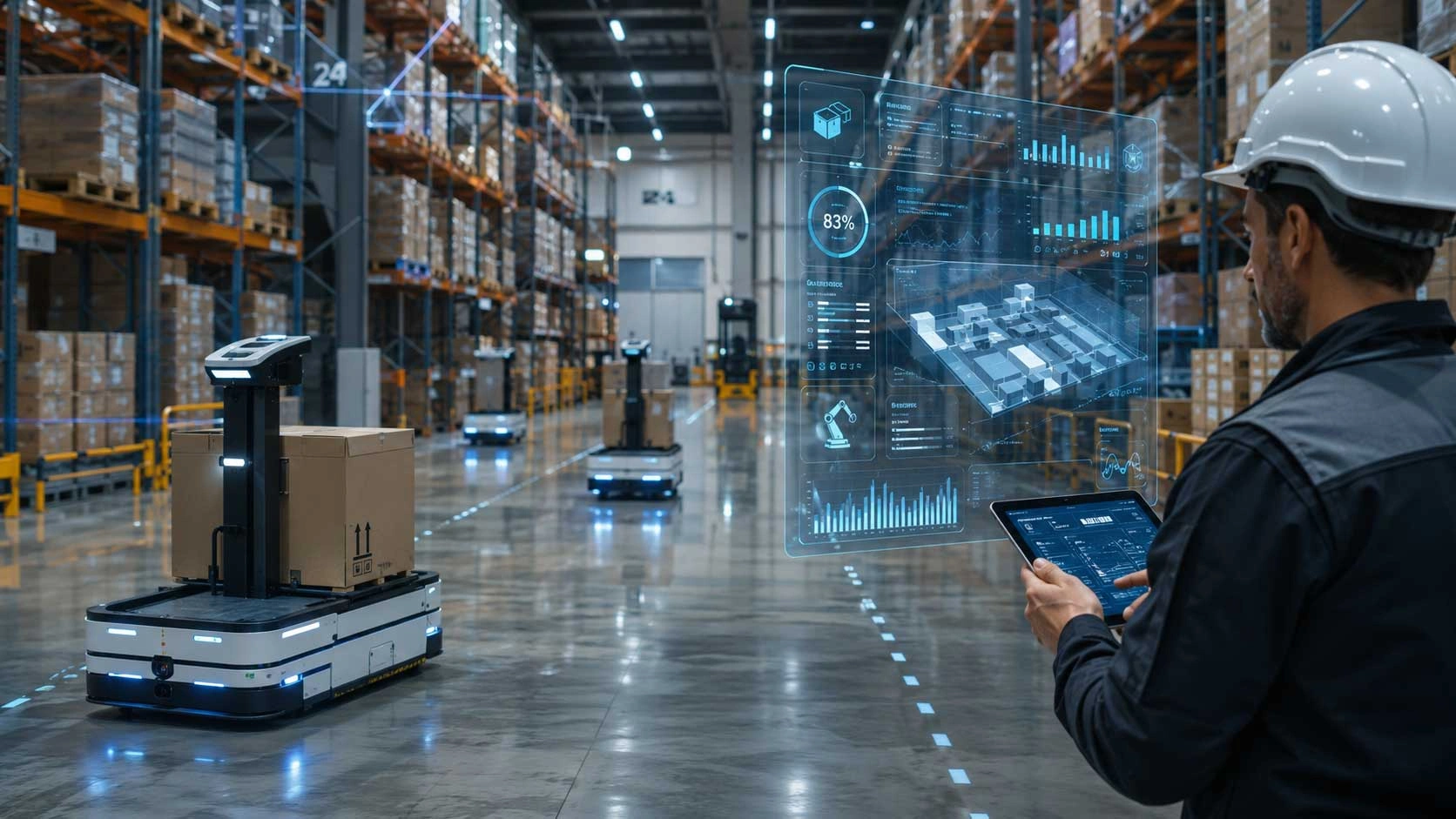


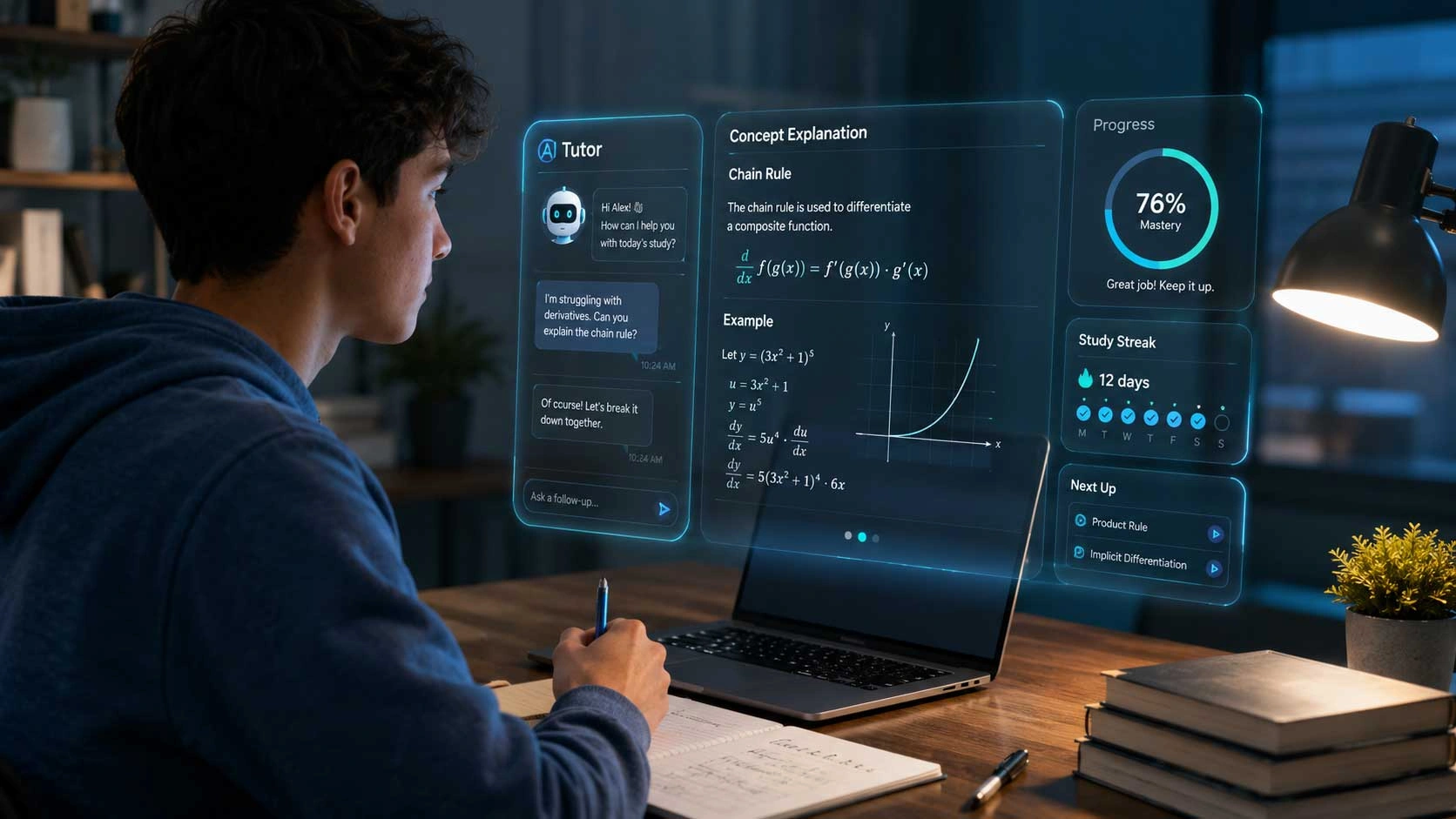
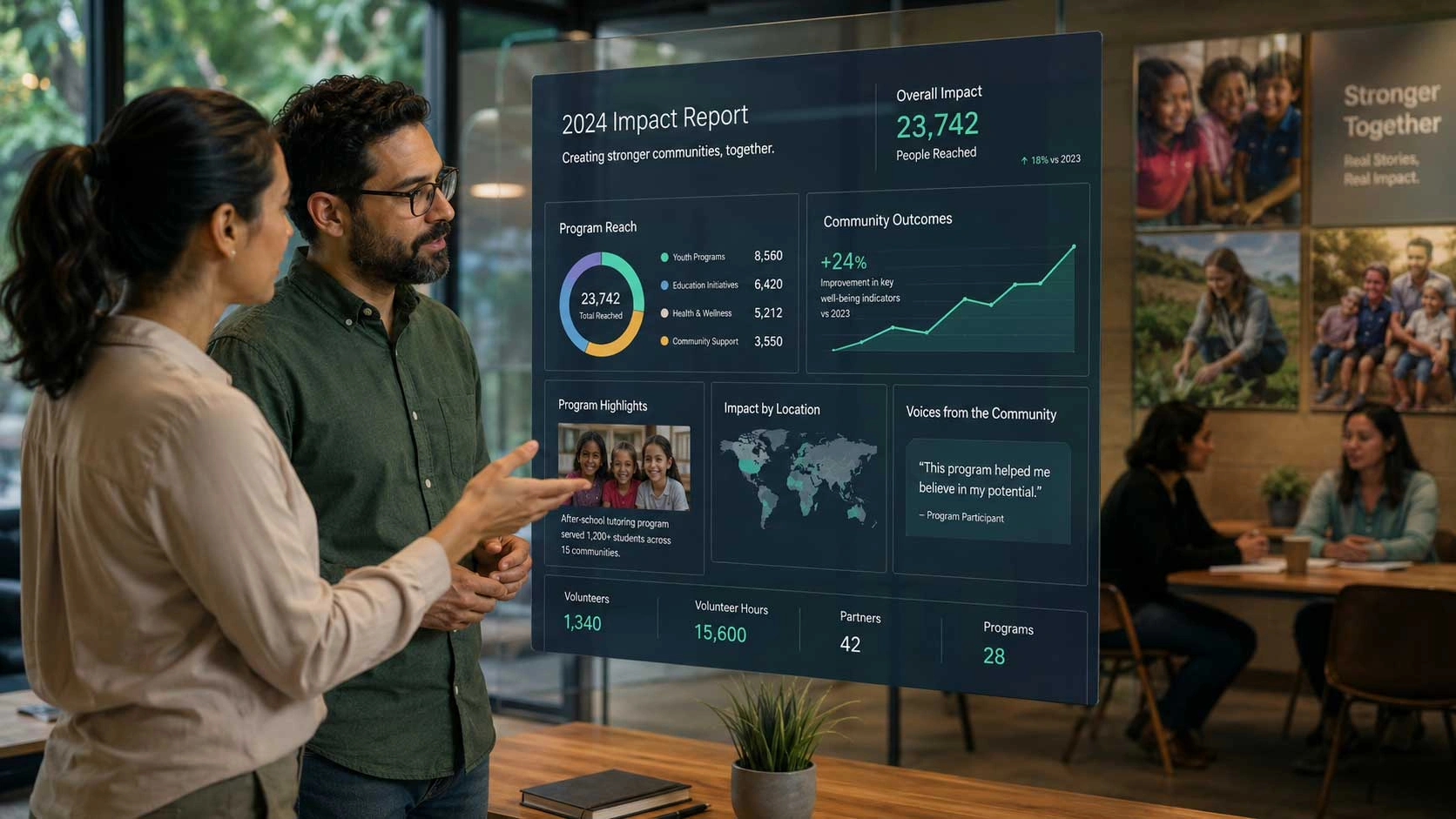
We combine deep AI engineering with enterprise integration practice to connect AI to your systems securely — without disrupting what already works.
Enterprise software delivery — a track record built across technology cycles, not just the current AI wave.

Independently certified, annually audited — meets the security baseline enterprise procurement actually checks.
Nine in ten enterprise clients return for follow-on work — the only measure of delivery quality that cannot be faked.

Verified client reviews, independently collected — real feedback from real enterprise engagements.

Certified cloud partnerships with AWS and Microsoft Azure — enterprise infrastructure standards from day one.

DataSense, DocSense, BidSense — proprietary pre-built AI products that go live in weeks, not months of custom build.
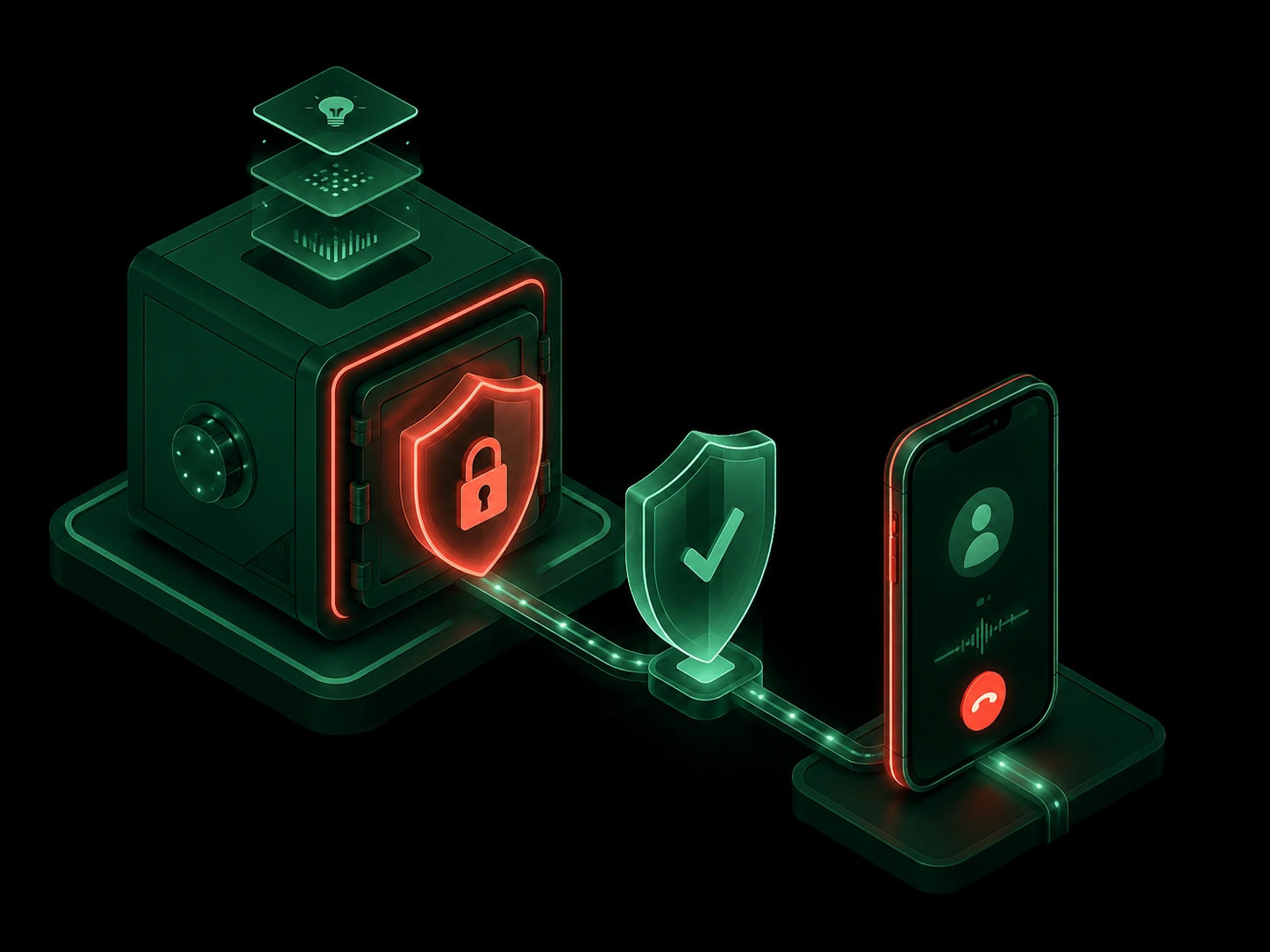
IP, data, and strategy protected before the first discovery call ends — not after contracts are signed.

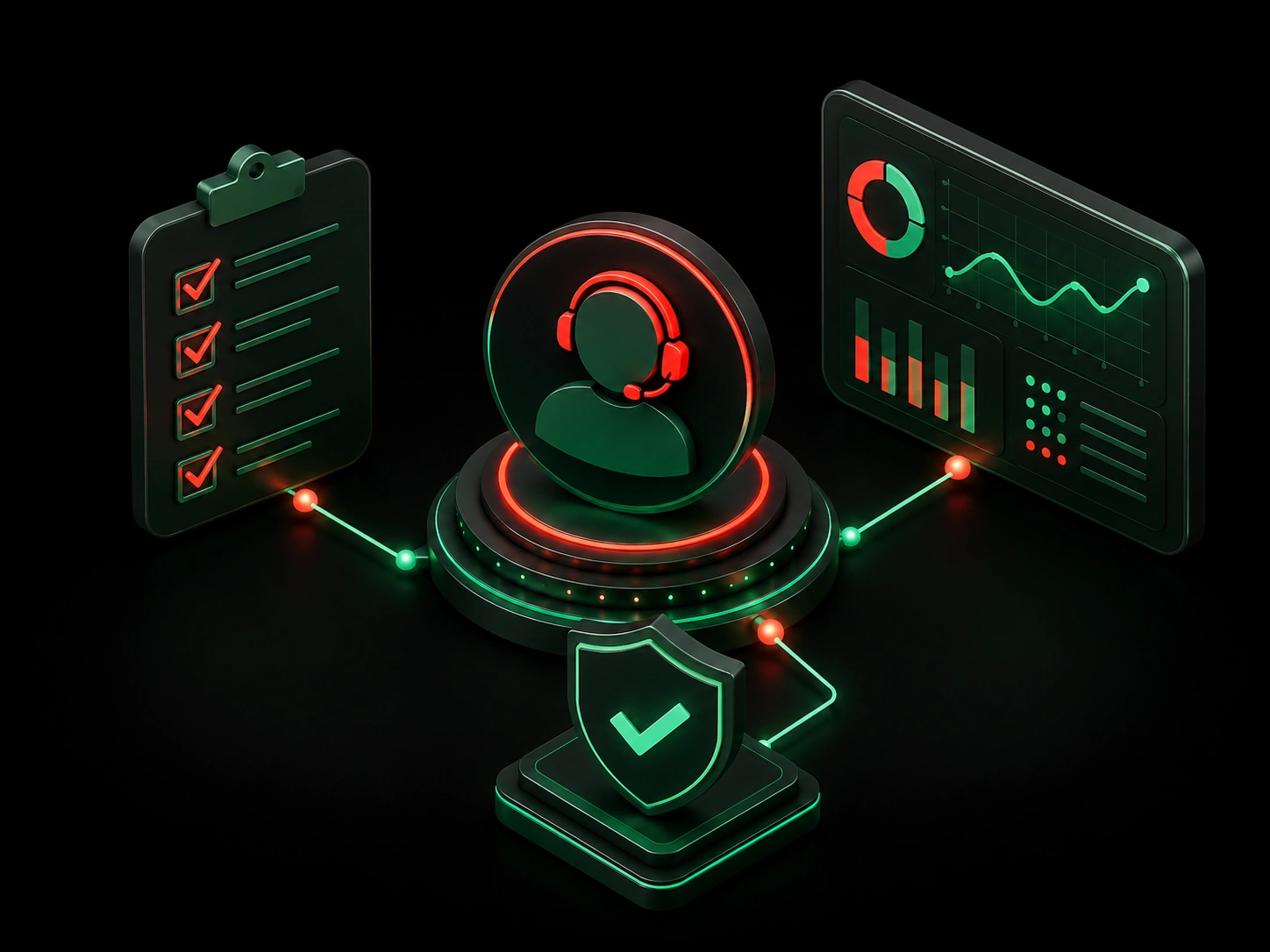
Post-deployment optimisation included in every engagement — we stay accountable until the system is performing.
 Your AI Problem Is Probably an Integration Problem
When enterprise AI stalls, the model is rarely the culprit. It's the seams — where AI has to meet the systems, data, and security controls your business already runs on. Here are the honest truths about that part, the ones that decide whether your AI ships or sits in a sandbox.
Everyone fixates on which model to use. But an LLM in a sandbox is a demo; the same model wired into your CRM, ERP, and document store is a business capability. The distance between the two is integration — and that's where the real work, and the real risk, lives.

The impressive pilot was almost certainly fed a static spreadsheet. The version that earns its keep reads your live records and writes results back where the next person will see them. Same model, completely different thing — and the difference is entirely in the integration nobody wanted to scope. Most of the value enterprises are chasing sits on the far side of that gap.
When an AI initiative slips, dig in and you rarely find a model that wasn't good enough — you find data spread across a dozen systems, half the APIs legacy or missing, and a security review that won't pass anything done sloppily. Integration is where the timelines quietly extend and the budget quietly grows, precisely because it was treated as an afterthought.
We map your systems before designing anything, build secure connectors once and reuse them, and assume from the start that systems will change. That's how AI ends up embedded in the flow of work rather than bolted on beside it — and how each new use case gets faster to connect instead of harder.
You can build a genuinely good assistant and watch adoption flatline — because it's one more app nobody opens. Where AI shows up matters as much as what it does, and that placement is an integration decision, not a model one.

If using the AI means opening a new tab, learning a new interface, and breaking their flow, busy people simply won't — no matter how clever it is. The tool that wins is the one that shows up where they already are. A standalone app is the single most common reason a capable AI ends up unused.
The assistant embedded in Outlook, Teams, the CRM, or your own product gets used because there's nothing new to adopt. Surfacing AI inside existing tools consistently beats a separate destination — and doing that well is an integration job: auth, context, and the right hooks into each host application.
We build the AI capability once and expose it wherever your people work — a Teams bot, an Outlook add-in, a panel inside your product, an API for another team. The intelligence is the same; only the surface changes. That's how one investment reaches everyone instead of stranding value behind a login nobody visits.
A vendor who 'shipped the app' has done half the job. We treat the question 'will people actually use this in their day?' as part of the integration design, because an unused tool returns nothing regardless of how good the model underneath it is. Placement and fit are where adoption is won.
Teams assume that data trapped in an old ERP or a custom database means an expensive migration before AI can touch it. It usually doesn't — and a vendor who insists otherwise may just want a bigger project.
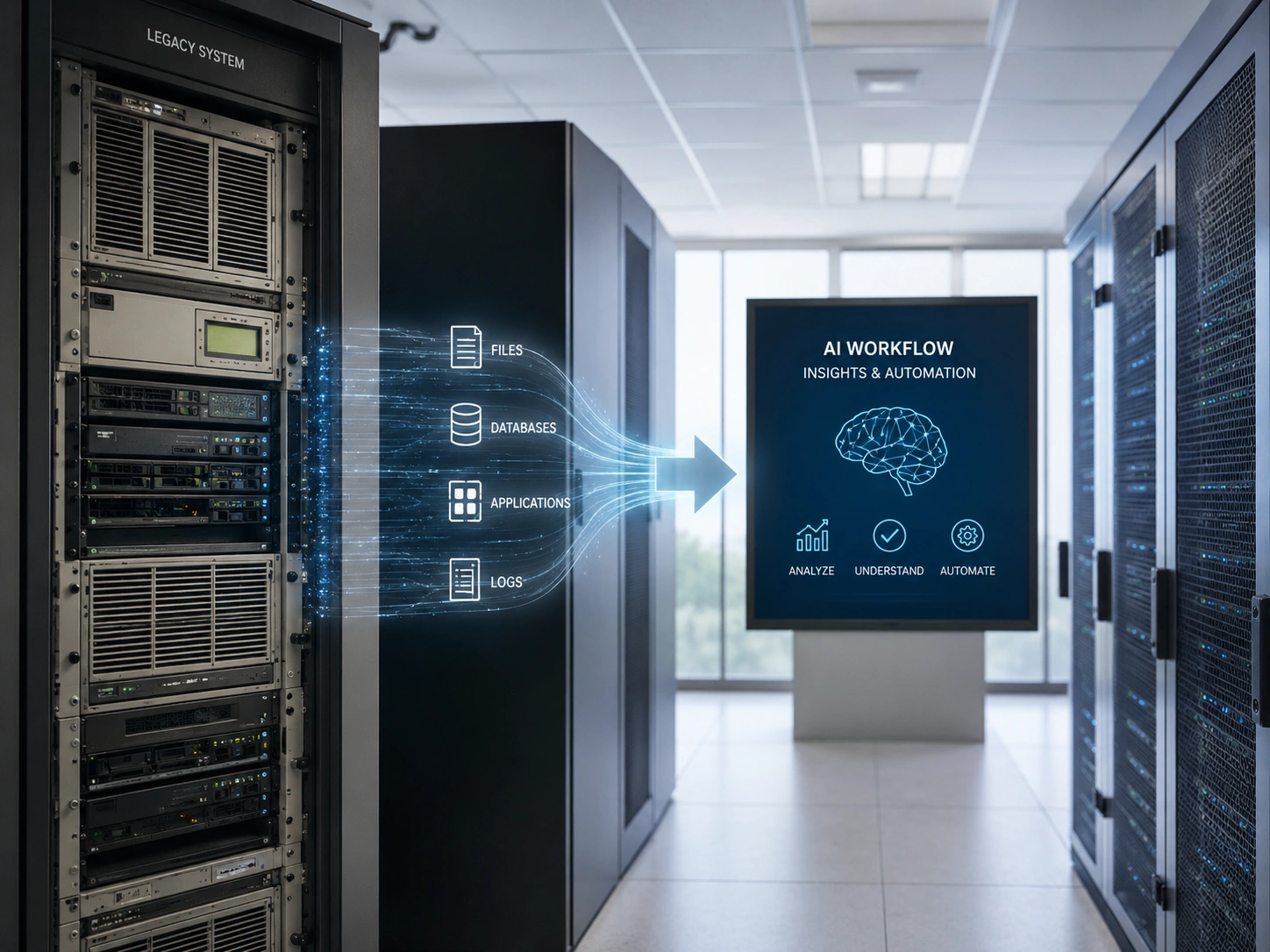
Old ERPs, on-prem tools, custom databases — even systems with no modern API can almost always be exposed to AI through a structured wrapper, a database read, a file feed, or MCP. The honest question is rarely 'can we connect this?' but 'what's the safest, cheapest way in?'. Hearing 'you'll need to migrate first' should make you ask for a second opinion.
We put a clean interface in front of the messy system so AI talks to that, not the legacy quirks directly. Your system of record keeps running untouched; the integration rides on top of it. That avoids the cost, risk, and multi-year timeline of replacing a system just to let AI use its data.
Legacy schemas and oddities are isolated behind that interface, so a quirk in the old system doesn't leak into your AI logic — and the day you do modernise the system, you swap the adapter rather than rewriting everything that depended on it. Containment now saves a rebuild later.
Reading from a legacy system is one thing; letting AI write into a system of record is another. Where that's needed we add validation, idempotency, and rollback paths so an AI mistake can't corrupt authoritative data — and where the risk isn't worth it, we keep the AI read-only and route changes through a human.
Connecting AI to live systems raises exactly the questions procurement and security care about most. Integrations built without identity-first access stall in review for months; the same ones built right sail through on the first pass.
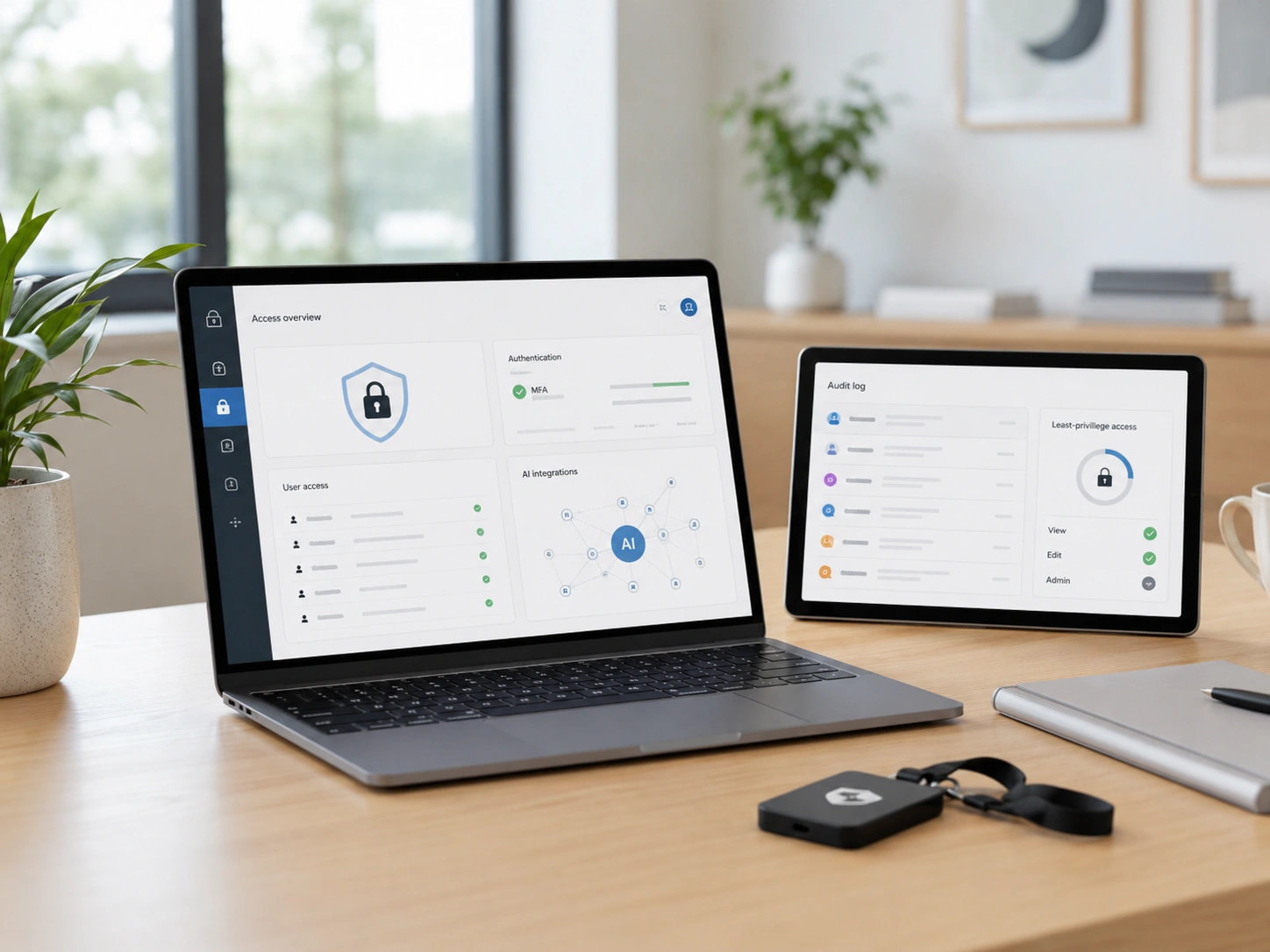
The first thing a security team asks is how the AI authenticates. 'We stored an API key in the app' is the answer that gets a project bounced. We authenticate through your identity provider so every action is tied to a real, revocable identity — no standing credentials sitting in the runtime waiting to leak.
The AI gets access to exactly what a specific task needs and nothing more — scoped per action, not a blanket service account with the keys to everything. When security asks 'what could this thing actually do if it misbehaved?', the answer is narrow and demonstrable, which is what turns a hard review into a quick one.
Each system access and action is recorded with who, what, and when — so you can answer an auditor's or a regulator's question with evidence rather than assurances. The audit trail isn't paperwork; it's the thing that lets a security team say yes, because they can see exactly what the integration does.
Retrofitting security after the build is how integrations end up stuck in review for a quarter. We design identity, scoping, and logging in from the first line and produce the documentation your security team needs — so the review becomes a confirmation of controls already in place, not an investigation that sends it back.
Wiring each AI use case directly to each system feels fast — until the fifth system and the third use case leave you with a web of brittle connections nobody can safely change.
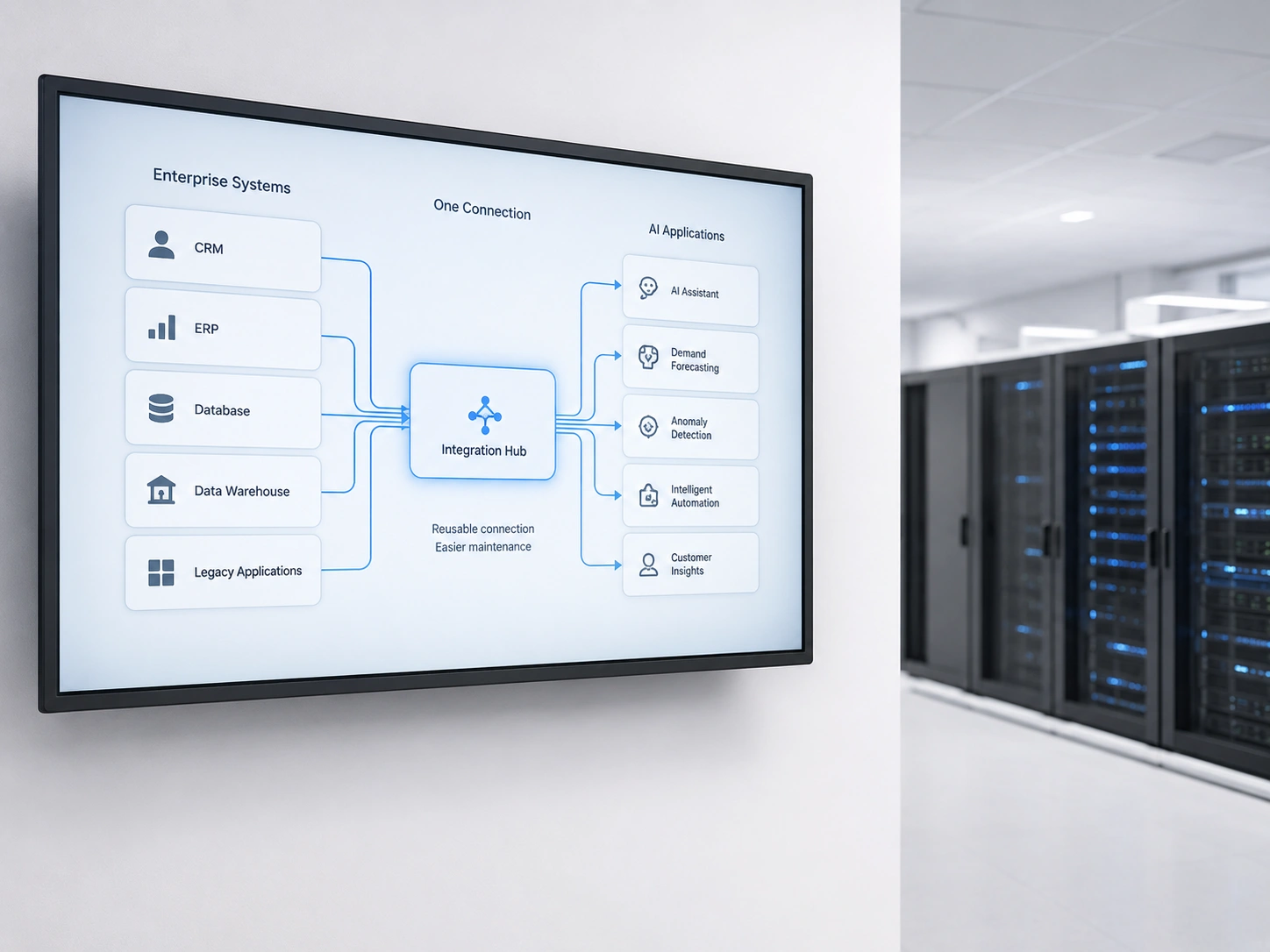
Each direct connection looks cheap on its own. Stack up a few use cases against a few systems and you have a tangle of duplicated, slightly-different integrations — and every API change breaks several of them at once. The maintenance quietly consumes the team that was supposed to be building the next thing.
A thin integration layer sits between your AI and your systems: each system is connected once, and every AI use case draws on that shared layer. Add a new model or assistant and it inherits every existing connection; change a system and you fix one adapter instead of hunting down ten call sites.
The first integration through a hub costs a little more than a quick script; the second, third, and tenth cost dramatically less, because the connections already exist. That's the difference between AI that gets harder to extend over time and AI that gets easier — which compounds into a real speed advantage as your use cases multiply.
For a single, simple, one-off connection, a direct integration is the pragmatic choice and a hub would be over-engineering. We're honest about which you need for the scale you're at today and the one you'll be at in two years — not the most elaborate diagram we could draw.
Models change, vendors deprecate APIs, and your stack evolves. A connection that worked on launch day is worthless if the next API change silently breaks it and nobody notices until a user does.
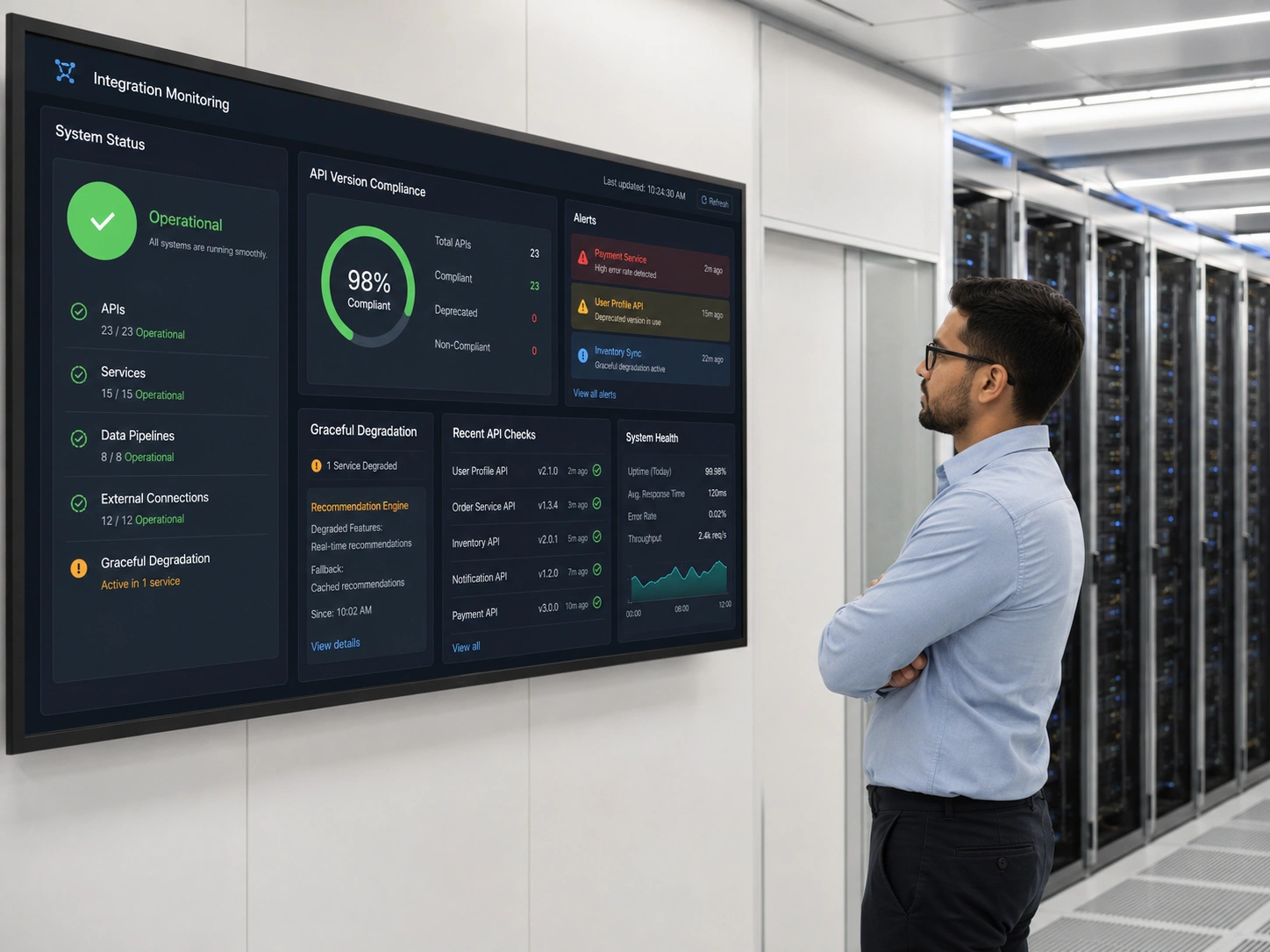
The quick integration hacked together to hit a demo date breaks the first time a source system has a wobble or changes its API — and because nobody built in error handling, it fails quietly. 'It worked when we shipped it' is not the same as 'it works', and the gap between them is where production incidents live.
We build connections that expect failure: transient errors retry with backoff, a downed system degrades gracefully instead of taking the whole assistant offline, and problems raise an alert rather than going unnoticed. A hiccup in one system stays a hiccup, not an outage of your AI.
Integrations sit behind stable internal interfaces with versioning and automated contract tests, so when a vendor changes an API the test catches it before your users do, and the fix is contained to one adapter. Change is absorbed at the edges instead of rippling through everything that depended on the old behaviour.
Production integrations need someone accountable and a way to know when they break — monitoring, alerting, and a clear operational owner. We hand over that runbook, not just the code, because an integration without an owner is an outage waiting for a quiet weekend. Built this way, your AI keeps working as the systems around it move.
Weeks 1–2
We inventory the systems, data, and access your AI needs to reach — and map every connection point before any build begins.
Stakeholder interviews & use-case mappingSystem & API inventoryData accessibility & freshness assessmentIdentity & access model reviewIntegration design document sign-offWeeks 3–5
We design the integration architecture — connectors, middleware, and data flows — and choose the right pattern for each connection.
Integration architecture (point-to-point vs. hub)Connector & API wrapper designData pipeline & sync strategyAuth & security model designSandbox connection for stakeholder reviewWeeks 5–8
We build the connectors and pipelines, wiring AI to your live systems with error handling and tests.
Live system connectors (CRM, ERP, docs)Data pipeline & transformation buildMCP / API wrappers for legacy systemsRetry, fallback & error handlingIntegration test suiteWeeks 8–9
We lock down access, add audit logging and monitoring, and pass the integration through security review.
Identity-first / Zero Trust accessLeast-privilege scopes per connectionAudit logging & data-access reviewIntegration monitoring & alertingSecurity review & sign-offWeeks 9–12
We launch a controlled pilot, fix what real usage surfaces, and move the integration into production with monitoring and support.
Controlled pilot with real usersStructured feedback & iterationProduction deploymentRunbook, monitoring & documentation90-day post-launch support (included)Book a free 30-minute discovery call with a senior AI engineer — no slide deck, just questions about your systems, your data, and your goals.










Enabled users to retrieve operational, financial, and project insights through natural language queries, transforming complex data analysis into instant, self-service intelligence.
See case study
 <12 Seconds
  10+ Systems
  Days → Minutes
  95%+
95%+ We connect AI to your stack with proven integration technology — APIs and protocols, data pipelines and event streaming, vector stores, and secure deployment infrastructure — selecting the right combination for your systems, data flows, and security requirements.
State-of-the-art models for reasoning, generation, and tool use.
 OpenAI GPT-4
 Claude
 Google Gemini
 Cohere
 Mistral
Coordinate AI, tools, and connected systems with reliability and control.
 LangChain
 LangGraph
 AutoGen
 CrewAI
High-performance vector databases for semantic search and retrieval.
 Pinecone
 Weaviate
 Milvus
 Qdrant
 Chroma
Persist context and state across sessions for connected AI systems.
 Redis
Redis
 PostgreSQL
 Zep
Zep
 LangMem
Modern languages and runtimes for building AI applications.
 Python
 TypeScript
 Node.js
 FastAPI
Connect to tools, APIs, and external systems seamlessly.
 MCP
MCP
 REST APIs
 GraphQL
 n8n
n8n
 Zapier
 Webhooks
 Apache Kafka
 Airbyte
Monitor, trace, and evaluate AI systems in production.
LangSmith
 Langfuse
 OpenTelemetry
 Grafana
 Prometheus
Enterprise-grade cloud services and infrastructure foundations.
 AWS Bedrock
 Azure OpenAI
 GCP Vertex AI
 Docker
 Kubernetes
Enterprises trust VOCSO for AI integrations built to scale securely and meet regulatory standards. We connect AI to your systems with security and compliance engineered in across AWS, Azure, and Google Cloud.

General Data Protection Regulation

Information Security Management Systems

System and Organization Controls

For AI applications in healthcare
Responsible AI principles and implementation
AI Risk Management

Principles and implementations
India’s personal data protection framework

Auditability frameworks

Standards and evaluation practices
 Fixed-Price POC
Validate an AI agent use case with a low-risk, fixed-scope engagement designed to prove value, feasibility, and ROI before committing to a full build.
4–6 week delivery timeline Defined scope & success criteria Low commitment, fixed budget Executive-ready ROI assessment Dedicated AI Team
A cross-functional AI agent team embedded into your environment — working within your processes, security requirements, and communication tools.
AI, Data & MLOps specialists Named delivery lead Works within your NDA & security policies Scalable team composition Project-Based
End-to-end delivery of a defined AI agent capability with fixed scope, timeline, and commercial terms. Full knowledge transfer and documentation included.
Fixed scope & pricing Defined milestones & deliverables Dedicated project management Knowledge transfer & documentationLet's discuss the right engagement model for your project?
Book a call
First-hand experiences from firms that integrated AI into their systems, scaled intelligently, and achieved measurable results.
View all client testimonials“Vocso team has really creative folks and is very co-operative to implement client project expectations. MicroSave Consulting had great experience working with Anju and Prem.”

“Working with Deepak and his team at Vocso is always a pleasure. They employ talented staff and deliver professional quality work every time.”

“We love how our website turned out! Thank you so much VOCSO Digital Agency for all your hard work and dedication.”

“VOCSO SEO & SEM services helped me find new customers in a small budget. Their advanced SEO strategies made us visible to everyone.”

“Vocso team has really creative folks and is very co-operative to implement client project expectations. MicroSave Consulting had great experience working with Anju and Prem.”
“Working with Deepak and his team at Vocso is always a pleasure. They employ talented staff and deliver professional quality work every time.”
“We love how our website turned out! Thank you so much VOCSO Digital Agency for all your hard work and dedication.”
“VOCSO SEO & SEM services helped me find new customers in a small budget. Their advanced SEO strategies made us visible to everyone.”
The fastest way to kill an AI project is to make it depend on replacing a system the business runs on. The goal is to connect to what exists, not rebuild it.
Your CRM, ERP, and document stores took years to settle and hold data the business trusts. Good integration meets those systems where they are — reading and writing through their own interfaces — so AI adds capability without forcing a migration.
Use the native API first — Most modern systems (Salesforce, ServiceNow, SAP) expose APIs built for exactly this. We integrate through them so the system of record stays the source of truth.
Wrap what has no API — Legacy and custom systems get a structured API wrapper or MCP server that exposes their capabilities to AI cleanly, without touching the underlying system.
Read vs. write boundaries — We separate what AI may read from what it may write, so high-consequence actions are gated and reversible, and the system of record is never corrupted.
Fit the existing data model — We map to your schemas and conventions rather than imposing new ones, so the integration is intelligible to the people who own those systems.
At VOCSO, we design integrations to be additive — connecting AI alongside your systems of record — because rip-and-replace is the risk most enterprises rightly refuse to take.
An AI integration is only as good as the data flowing through it. If the pipeline is stale, broken, or silently dropping records, the AI's output is wrong and no one knows why.
Connecting AI to a system is one thing; keeping the data accurate, current, and clean as it moves is another. The pipeline is where most integration problems actually live — and where reliability is engineered or lost.
Ingestion & transformation — We pull data from source systems and reshape it into what the AI needs, handling format differences, encodings, and schema quirks along the way.
Sync strategy & freshness — Real-time, scheduled, or on-demand: we match the refresh pattern to how current the AI actually needs the data, balancing cost against staleness.
Idempotency & deduplication — Pipelines are built to be safely re-run, so a retry or a replayed event never double-counts or corrupts the data the AI relies on.
Failure visibility — When a sync fails or a source goes quiet, the pipeline alerts rather than silently serving stale data — because silent staleness is the worst failure mode.
VOCSO treats the data pipeline as a first-class part of every integration — monitored, tested, and observable — because reliable AI starts with reliable data movement.
The data with the most value is often trapped in the systems with the worst access — old ERPs, custom databases, on-prem tools with no modern API. Getting AI to those systems is the integration challenge that separates real partners from demo vendors.
You don't need to replace a legacy system to make it usable by AI. A well-built wrapper exposes exactly the capabilities the AI needs, cleanly and safely, while the underlying system carries on untouched.
MCP (Model Context Protocol) — A standard way to expose a system's data and actions to AI. We build MCP servers so models can reach legacy capabilities through a consistent, governed interface.
Structured API wrappers — For systems with no usable API at all, we build a thin service that fronts them — translating modern requests into whatever the old system understands.
Anti-corruption layer — The wrapper isolates the legacy system's quirks, so its odd formats and constraints never leak into your AI or the rest of your stack.
Safe, scoped access — Wrappers expose only what's needed, with their own auth and rate limits, so a fragile old system is never overwhelmed or over-exposed.
At VOCSO, we've connected AI to systems decades older than the models themselves — without migration, and without putting the system of record at risk.
One of the most consequential — and most often rushed — integration decisions is how data moves: in real time, on a schedule, or on demand. Get it wrong and you either pay for speed you don't need or serve answers that are hours stale.
There is no universally right pattern; there's the right pattern for each connection. We choose based on how fresh the data must be, how often it changes, and what each option costs to run.
Event-driven (real-time) — Webhooks and message queues push changes the instant they happen. Right when AI must react immediately — a new order, a status change, a fraud signal.
Scheduled sync (batch) — Periodic pulls (hourly, nightly) suit data that changes slowly or where near-real-time adds cost without value. Simpler and cheaper to run and reason about.
On-demand (request-time) — The AI fetches fresh data only when it actually needs it. Right for large or rarely-touched sources where pre-syncing everything would be wasteful.
Hybrid by connection — Most real integrations mix all three — real-time for the few things that need it, batch for the rest — chosen per source, not imposed across the board.
At VOCSO, the integration pattern is a deliberate decision documented per connection — because matching freshness to need is what keeps integrations both responsive and affordable.
The moment AI can read and write to your live systems, security stops being optional. This is the section enterprise procurement reads first — and the one that decides whether your integration ships or stalls.
A secure integration isn't about a firewall rule; it's about who the AI acts as, what it's allowed to touch, and whether every action is provable after the fact. We engineer all three in from the start.
Identity-first access — AI authenticates through your identity provider (SSO/OAuth) with short-lived tokens — no API keys sitting in config files, no shared service accounts nobody can trace.
Least privilege per action — Each connection is scoped to exactly what it needs — read this, write that, nothing more — so a compromise or a bug can't reach beyond its lane.
Full audit trail — Every call the AI makes to every system is logged with who, what, when, and why — the evidence regulators and security teams require, and the first thing they ask for.
Data-residency & boundaries — We keep data within its required perimeter, including fully self-hosted or VPC deployments, so sensitive records never cross a line they shouldn't.
VOCSO builds integrations to pass enterprise security review on the first pass — because the fastest integration is the one that doesn't get sent back by your security team.
Every integration you build will outlive the assumptions you built it on. APIs get deprecated, vendors change, models get swapped. The question isn't whether things change — it's whether your integration breaks when they do.
The difference between an integration that lasts and one that's a constant fire drill is design. We build for change deliberately, so the inevitable churn is absorbed quietly instead of cascading into outages.
Stable internal interfaces — AI talks to a stable internal contract, not directly to a vendor's API, so swapping the system behind it doesn't touch the AI.
Versioning & contract tests — Integrations are versioned and guarded by tests that fail loudly when a source system's response changes — before it reaches production.
Graceful degradation — When a system is down or slow, the integration degrades gracefully — cached data, queued retries — instead of taking the whole AI experience down with it.
Loose coupling — A hub or adapter layer decouples AI from systems, so adding, removing, or replacing a system is a contained change, not a rewrite.
At VOCSO, we assume your stack will change — because it will — and design integrations that bend with it. The integration you don't have to rebuild every quarter is the one that actually pays off.
You delivered exactly what you said you would in exactly the budget and in exactly the timeline.







 Transparency on every decision Talented Team of AI Engineers Smooth Collaboration & Reporting Efficient & Adaptive Workflow Strict Privacy Assurance with NDA 12 Months Free Post-Launch Support On-time Delivery, No Surprises ISO 27001 Certified Engineering
Most teams start with one high-value connection — typically the CRM, a document repository, or a core data system. We help you scope, build, and prove the integration in 6 weeks, secured and audited. No open-ended contracts. No ambiguous scope.
deepak@vocso.com — no forms, no funnels.
CRM and ERP are our most common integrations, and the list runs well beyond them: Salesforce, HubSpot, Microsoft Dynamics, SAP, Oracle, NetSuite, ServiceNow, SharePoint, Confluence, Jira, Monday.com, Asana — plus your databases, data warehouses, and document stores. AI can read records, surface insights, and (where permitted) update fields or create records, with the access controls and audit logging enterprise systems require. For anything without a usable API, we build structured wrappers or MCP servers so AI can reach it too.
Cost tracks with how many systems are involved, how accessible they are, and the integration pattern. A single secure connection to one well-documented system typically runs $15,000–$35,000; a multi-system integration with data pipelines, legacy wrappers, and full security hardening runs $40,000–$120,000+. We usually start with a fixed-price PoC (typically $12,000–$20,000) that connects one live system end-to-end before you commit to the full build, and every engagement opens with a free 30-minute discovery call.
A single secure integration typically takes 4–8 weeks; a production rollout across multiple systems with pipelines and security hardening runs 10–14 weeks; a scoped PoC connecting one live system lands in about 6 weeks. The biggest variable is accessibility — well-documented APIs are quick, while undocumented legacy systems add time for wrapper development, which we scope honestly upfront rather than discover mid-project.
Yes — it's one of our specialities, and no, you won't have to migrate anything. For a system with no usable API, we build a structured wrapper or an MCP server that exposes exactly the capabilities AI needs while the underlying system stays untouched and running. Integrations are additive: AI connects alongside your systems of record through their own interfaces, so your CRM, ERP, and document stores stay exactly as they are. If a vendor tells you to rip-and-replace first, get a second opinion.
Security is engineered in from day one, which is exactly why our integrations tend to clear review on the first pass. We use identity-first access (SSO/OAuth with short-lived tokens), least-privilege scopes per connection, no persistent credentials in the runtime, encryption in transit, data-residency boundaries, and a complete audit trail of every call. We also produce the documentation your security team needs, so the review becomes a confirmation of controls already in place rather than an investigation. This satisfies most enterprise security questionnaires and aligns with ISO 27001 controls.
Both — with a deliberate boundary. Read access is straightforward; write access (creating a record, updating a field, triggering an action) is scoped tightly, gated where the action is high-consequence, and fully logged, with validation and rollback paths so an AI mistake can't corrupt a system of record. High-stakes writes can require human confirmation before they execute, and where the risk isn't worth it we keep the AI read-only and route changes through a person.
Yes — and it's the single biggest driver of adoption. We surface AI inside Outlook, Microsoft Teams, Slack, SharePoint, and your CRM, so assistance shows up where people already work and there's nothing new to learn or open. The same backend powers it whether it's embedded in a host tool, built into your own product, or run standalone — only the surface changes, so one investment reaches everyone.
It comes down to scale. For a single, simple connection, point-to-point is the pragmatic choice and a hub would be over-engineering. The moment you have several systems and multiple AI use cases, a hub — a thin integration layer — is far better: each system is connected once and every use case draws on it, so adding a model or changing a system is a contained change instead of a web of rewrites. We recommend the architecture that fits where you'll be in two years, not just where you are today.
We build for failure, not just the happy path: retries with backoff, fallbacks, queuing, and graceful degradation, so one system being down doesn't take your whole AI offline. Integrations sit behind stable internal interfaces with versioning and automated contract tests, so when a vendor changes an API the test catches it before your users do and the fix is contained to one adapter. For data that has to be current we use event-driven syncs (webhooks, queues, streaming); for slower-moving data, scheduled batch — matched to need so you never serve silently stale answers.
Yes — we frequently integrate AI that another team or vendor built, or an off-the-shelf AI product, into a client's systems. Integration is a distinct layer; it doesn't matter who built the model. We connect it to your data and tools securely and reliably, and we'll tell you honestly where the AI itself needs hardening to be production-ready before it's wired into live systems.
Yes — and it matters here, because integrations break when the systems around them change. Every engagement includes 90 days of post-launch support (monitoring, incident response, adjustments). Beyond that, retainers cover uptime monitoring, API-change maintenance as vendors update their systems, new connections, and performance tuning — so your integrations keep working as your stack evolves rather than quietly failing one weekend.
Completely. All connectors, pipelines, wrappers, and documentation are yours, unconditionally. We sign NDAs before any discovery conversation, retain no client data after a project concludes, and hand over the runbook so your team can operate and extend the integrations without us. For stricter requirements we work entirely within your cloud environment so we never hold your production data at all.
Discover complementary services that enhance performance, improve user experience, and help your business build scalable digital solutions efficiently.