Since 2009
Enterprise software delivery — a track record built across technology cycles, not just the current AI wave.



Anyone can bolt a chatbot onto a database. The hard part is returning a number your CFO will actually trust — every time, for the right person. We build conversational BI on a governed semantic layer with validated SQL and row-level security, so 'revenue' always means the same thing, the answer shows its working, and a question that used to take the analytics team three days takes three seconds. Powered by DataSense.













Building software since 2009, validated in numbers
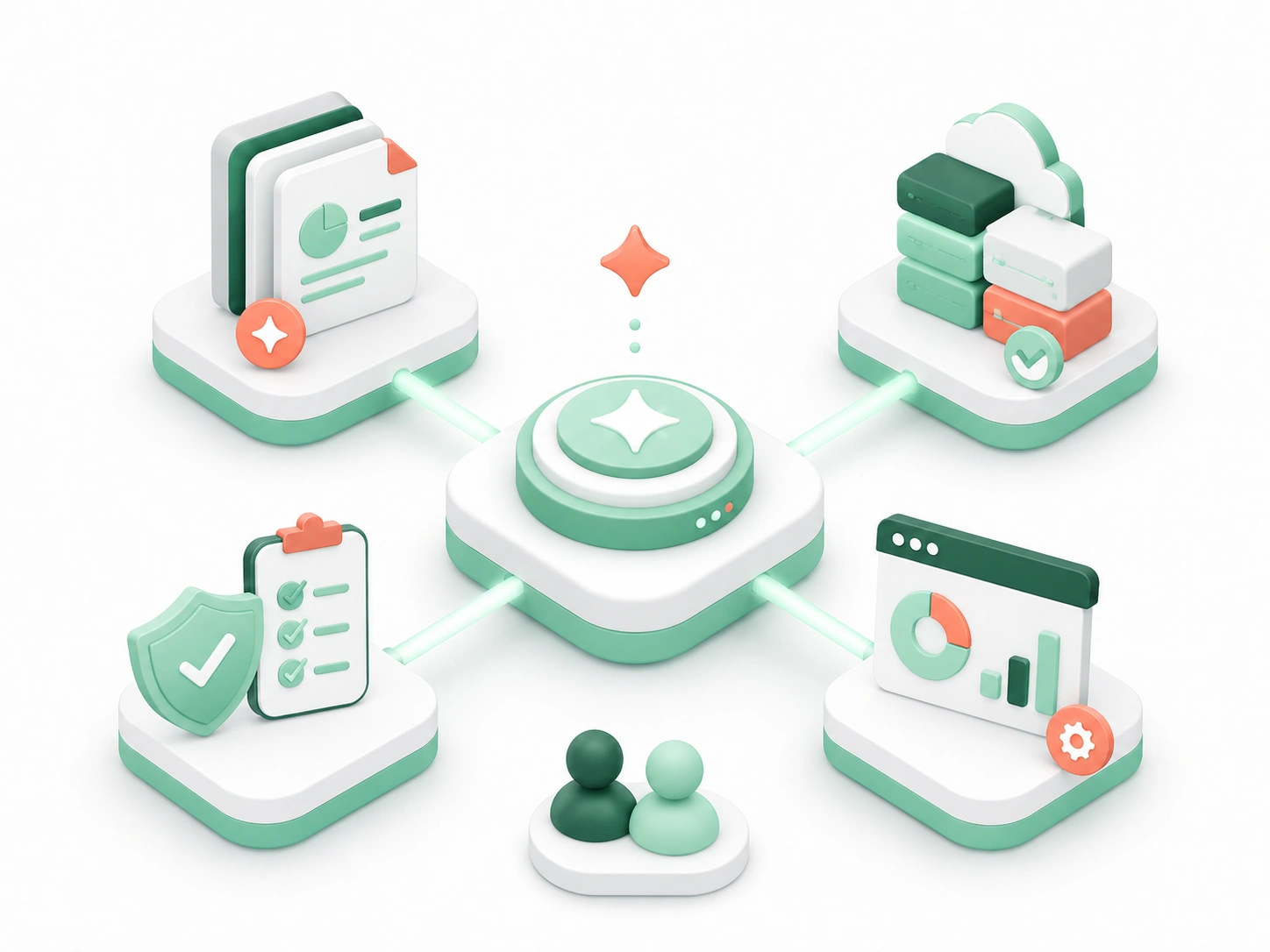
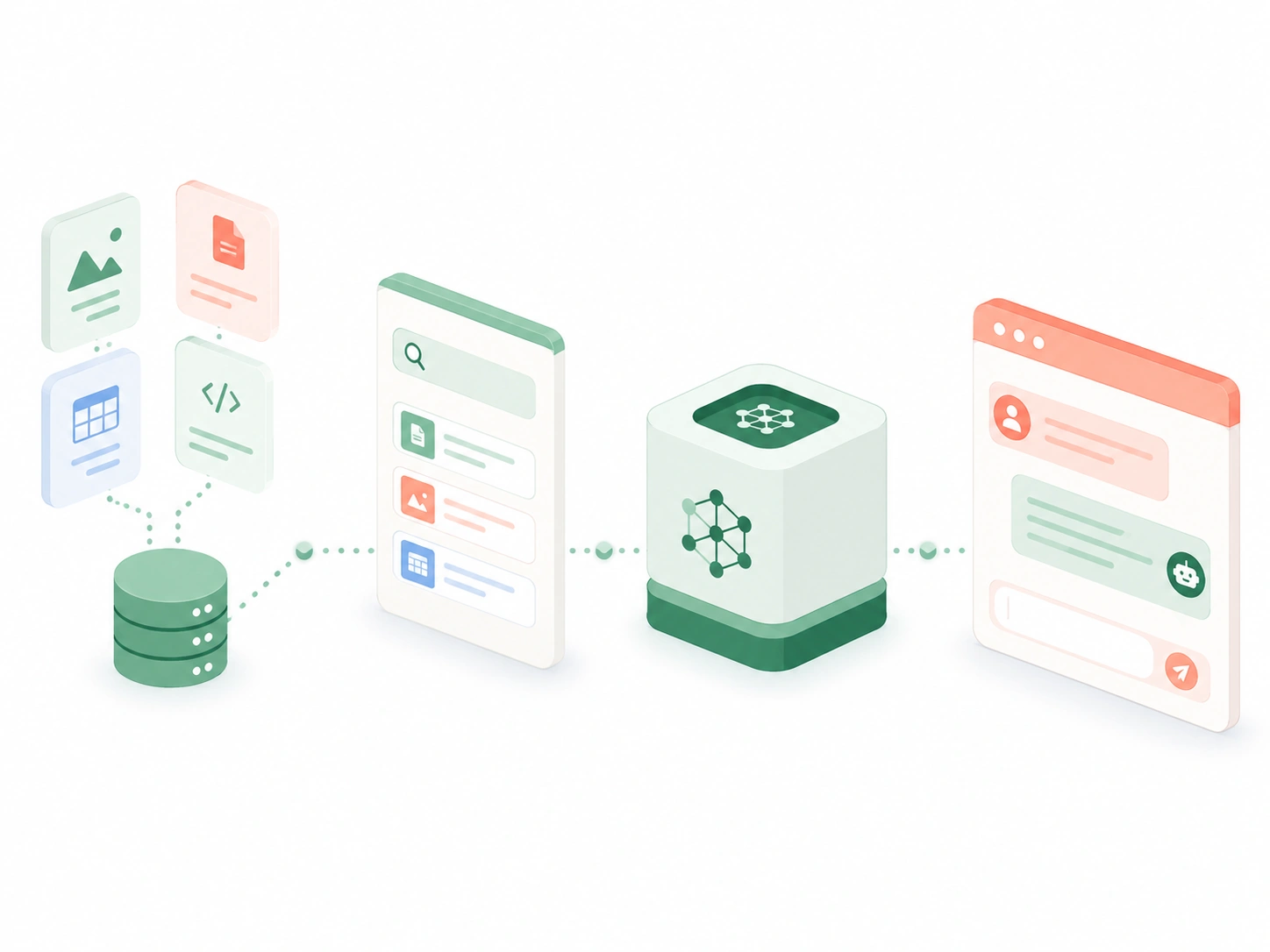
Blend numbers from your warehouse with context from your documents — so 'why did margin drop?' returns the figure and the explanation, not just one or the other.

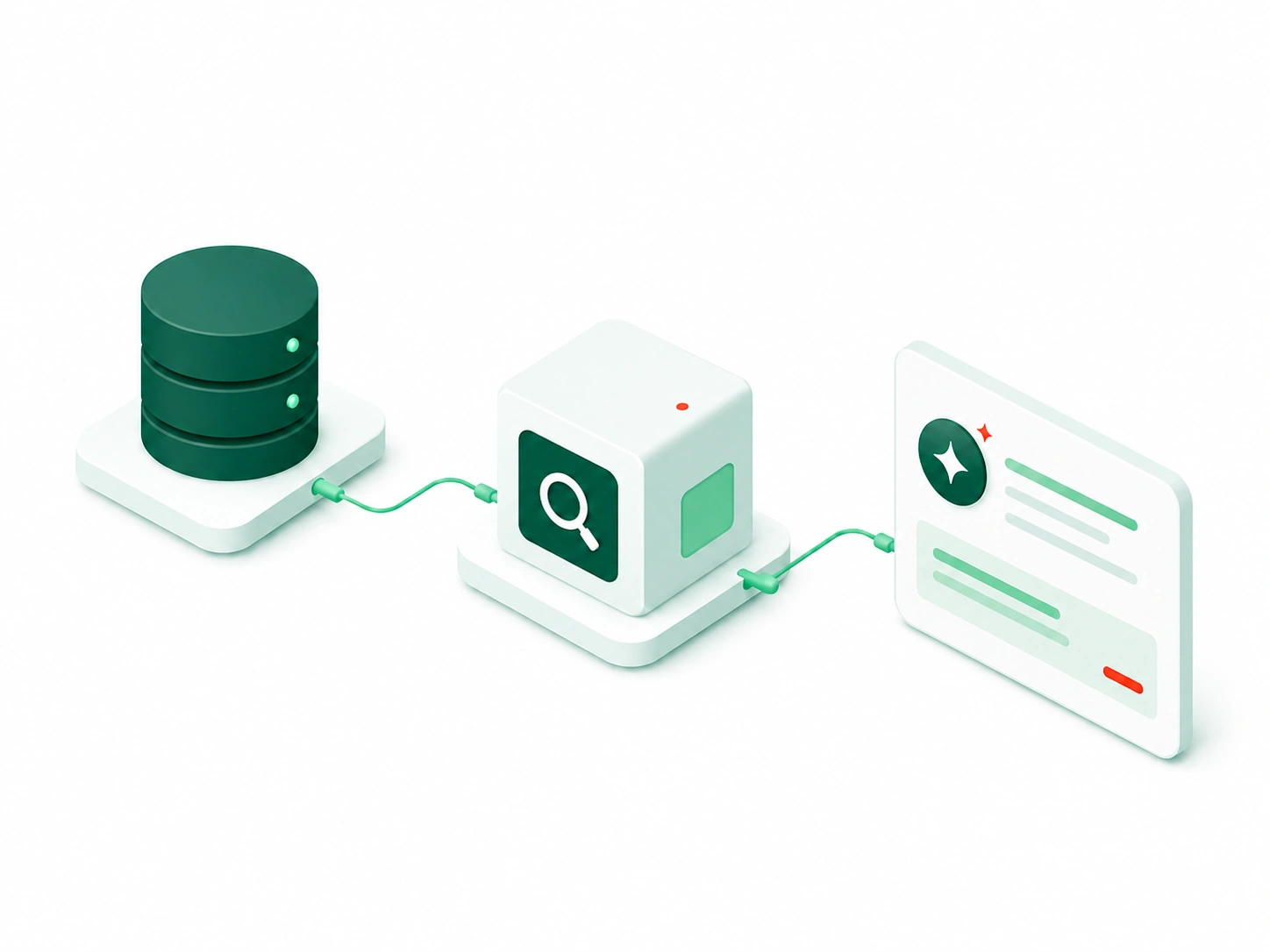
Connect conversational BI to where your data already lives — Snowflake, BigQuery, Redshift, Postgres, Power BI, and Tableau — without moving or duplicating it.

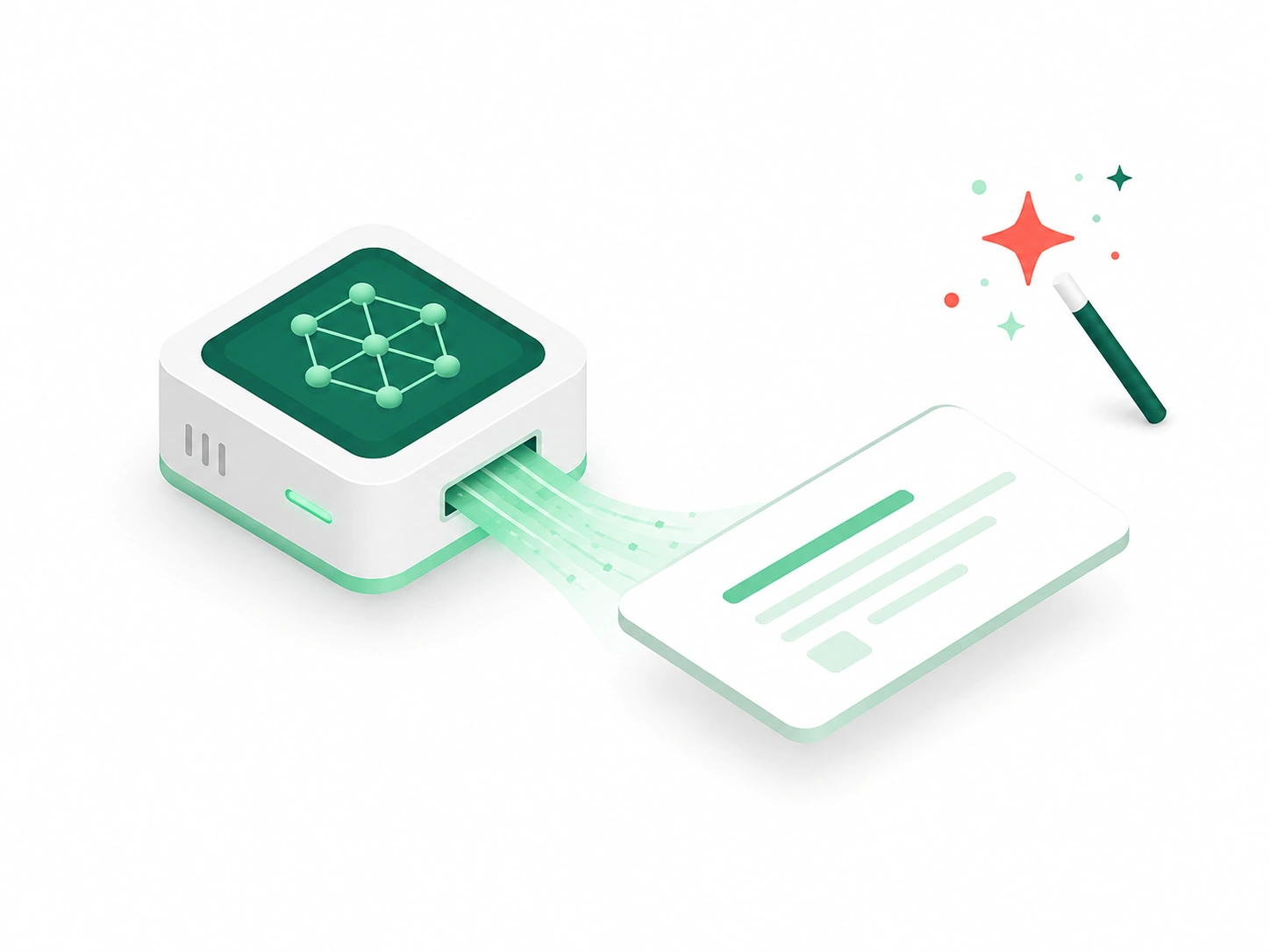
The production LLM application behind the chat interface — engineered with evaluation and guardrails, not a thin wrapper pointed at your database.

The governed conversational interface your BI runs in — permission-aware, auditable, and deployable across the channels your teams already use.

When a question should trigger an action — an alert, a report, a workflow — agents that act on what the data says, not just report it.

The language understanding that maps a messy business question to the right metric, filter, and time range — so the query behind the answer is the one you meant.

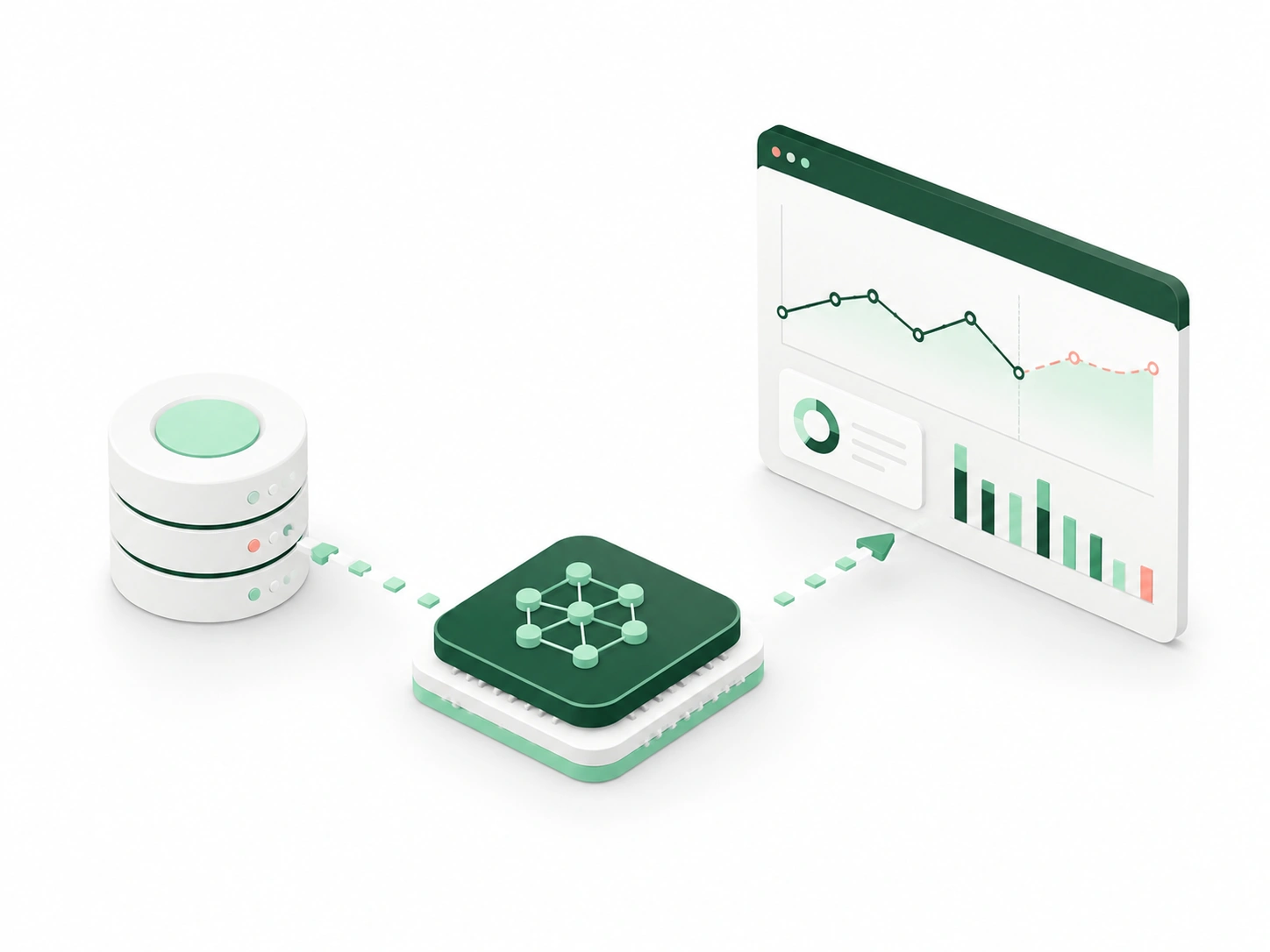
Custom GenAI around your analytics — narrative summaries of dashboards, automated commentary, and report drafting on top of the numbers.

Not sure your data is ready, or where to start? Strategy and a costed roadmap that sequences your analytics investment before you build.

The layer that makes answers trustworthy — defining your metrics, dimensions, and business logic once, so 'active customer' or 'net revenue' means exactly the same thing every time it's asked.

The engine that turns 'which projects are over budget this quarter?' into correct SQL against your warehouse — validated, explainable, and safe to run on live data.

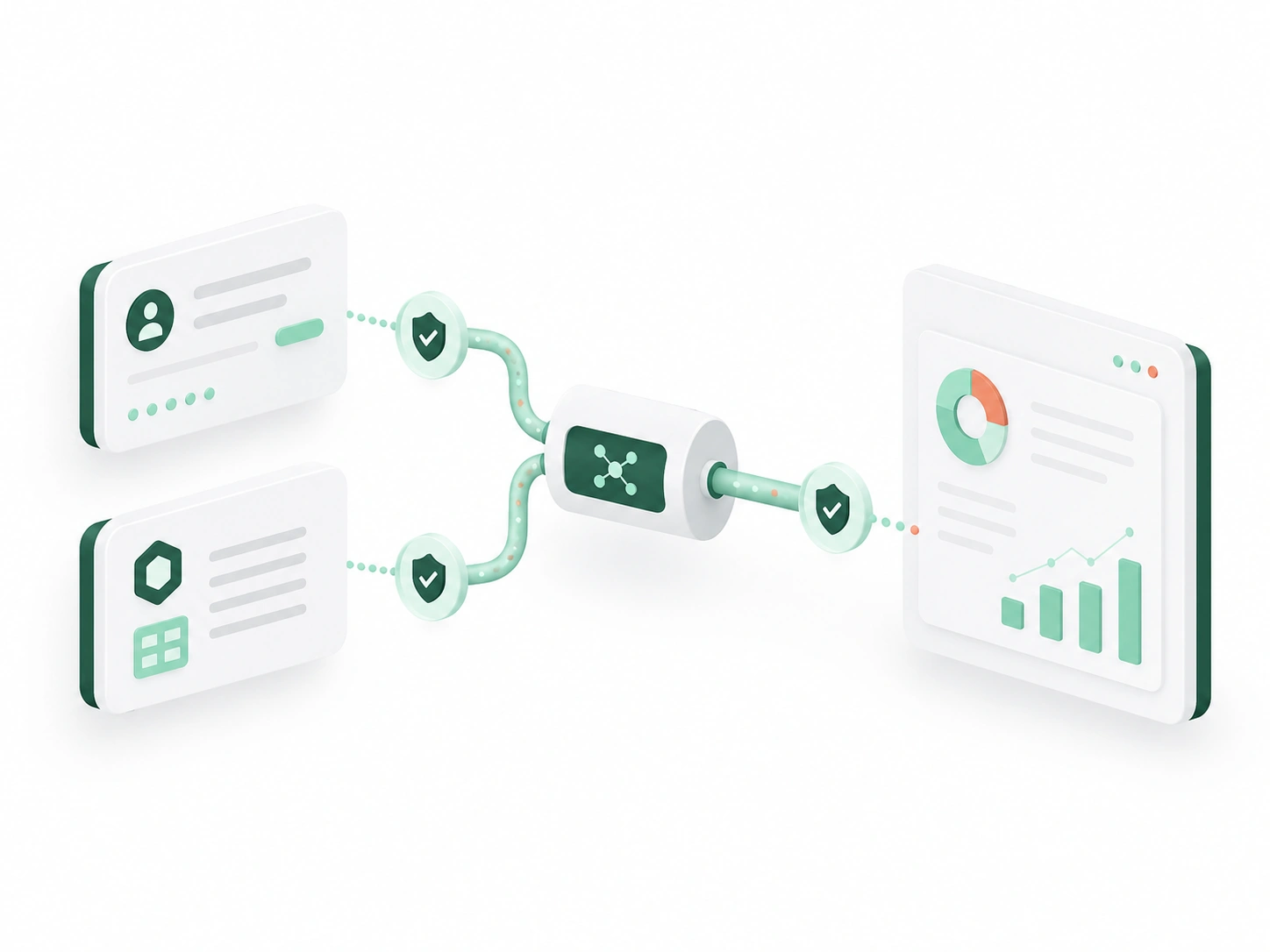
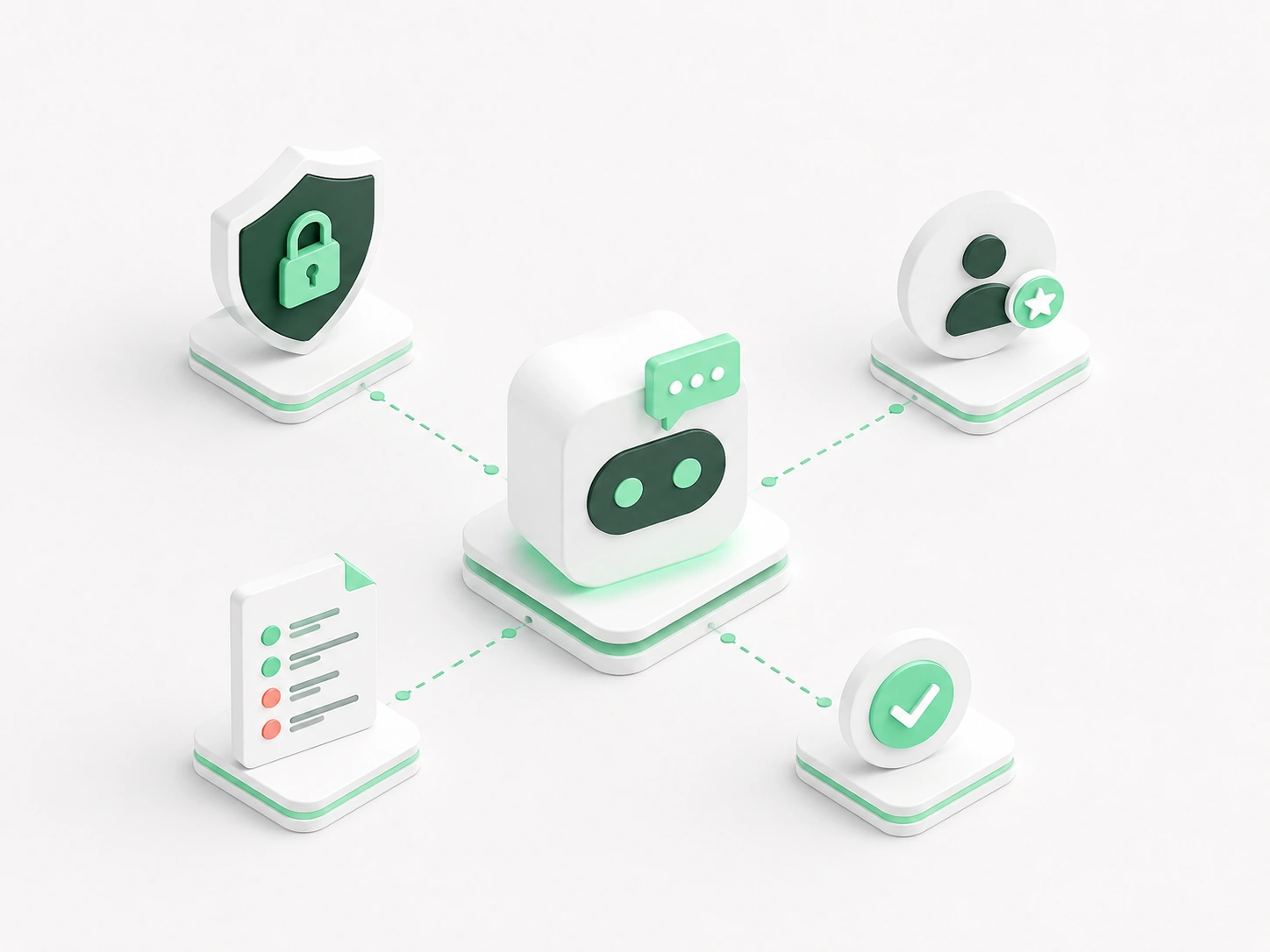
In BI a wrong number is worse than no answer. We validate generated queries, show the SQL and source, flag low-confidence results, and enforce row-level security — so the figures people act on are both trustworthy and theirs to see.
Our conversational BI is tailored to the specific metrics, data sources, and governance requirements of each industry.
Consulting & Advisory Let partners and PMOs ask 'which projects are over budget?' and get the answer instantly, from the project and finance data consulting firms already hold.
Trusted by Rodic Consultants
 Project & budget analytics in natural language2,100+ projects queryable at Rodic ConsultantsUtilisation & margin self-service reporting
SaaS & Digital Platforms. Give product, growth, and revenue teams instant answers on usage, churn, and MRR — without a ticket to the data team.
Product & usage analytics in plain EnglishRevenue & churn self-service queriesEmbedded analytics inside your productEngineering & Infrastructure. Query project, cost, and schedule data across programmes — 'which sites are behind schedule?' answered in seconds.
Project cost & schedule analytics
Cross-programme portfolio queriesField & operational data reportingFinancial Services. Governed conversational analytics over portfolio, risk, and client data — with row-level security and a full query audit trail.
Portfolio & risk analytics in natural languageRow-level security per userFull query audit trailSupply Chain & Logistics. Ask about inventory, shipments, and supplier performance across your operational data — no dashboard hunting.
Inventory & shipment analyticsSupplier-performance queriesReal-time operational reportingHealthcare & Research. HIPAA-aware conversational analytics over operational and research data — with strict access controls on who can ask what.
CleanTech & Mobility. Query energy, fleet, and sustainability metrics in plain English across your telemetry and operational data.
Energy & fleet performance analyticsESG & sustainability metric queriesTelemetry data self-serviceEdTech Platforms. Let academic and ops teams ask about enrolment, engagement, and outcomes without waiting on analysts.
Enrolment & engagement analyticsLearning-outcome queriesCohort & retention self-serviceNon-Profits & Foundations Give small teams instant answers on grants, donations, and impact metrics from their existing data.
Grant & donation analyticsImpact-metric queriesBudget & spend self-service reporting







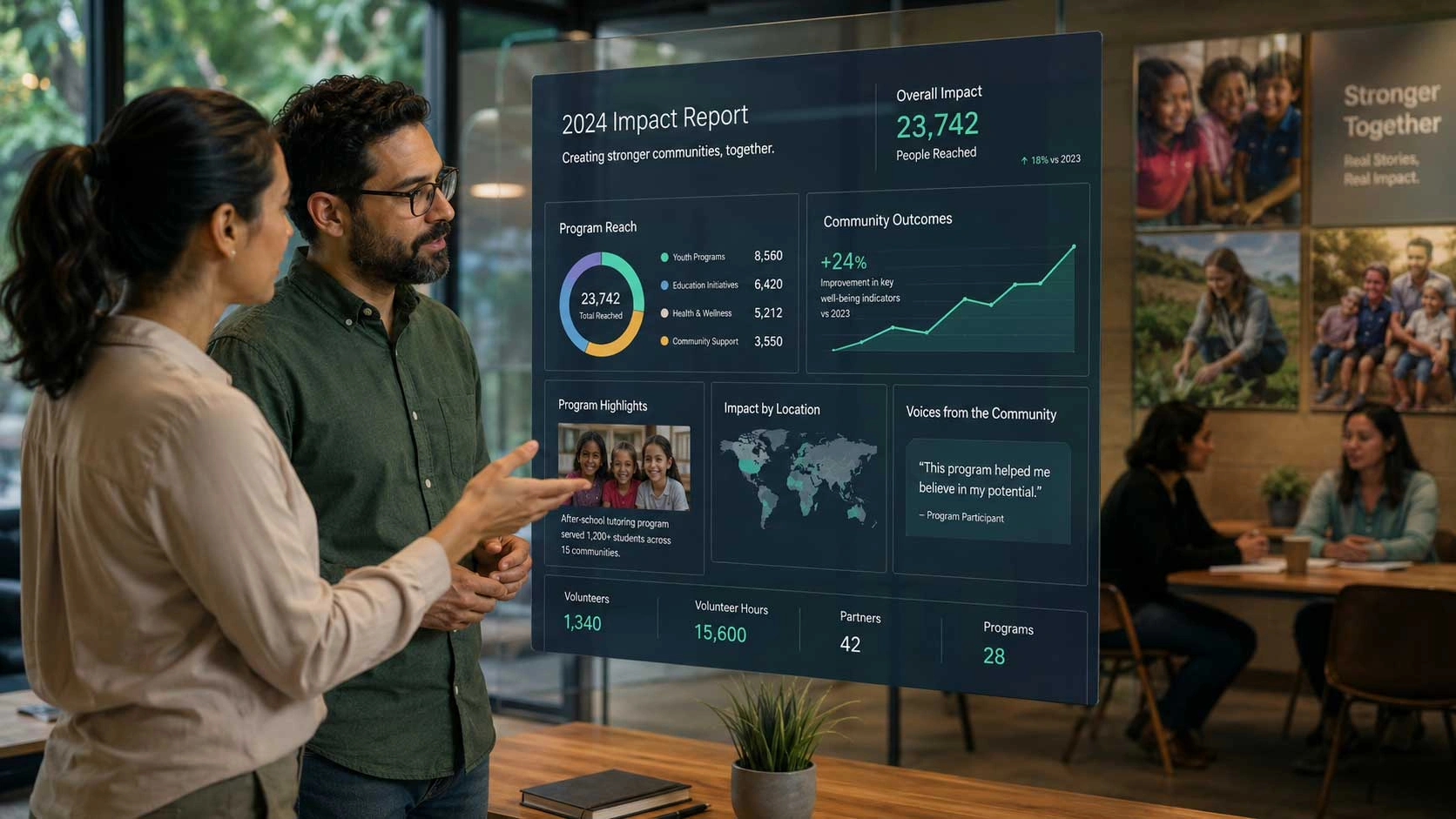
We combine deep data-engineering and AI expertise with enterprise delivery practices to ship conversational analytics that are accurate, governed, and trusted.
Enterprise software delivery — a track record built across technology cycles, not just the current AI wave.

Independently certified, annually audited — meets the security baseline enterprise procurement actually checks.


Nine in ten enterprise clients return for follow-on work — the only measure of delivery quality that cannot be faked.


Verified client reviews, independently collected — real feedback from real enterprise engagements.


Certified cloud partnerships with AWS and Microsoft Azure — enterprise infrastructure standards from day one.

DataSense, DocSense, BidSense — proprietary pre-built AI products that go live in weeks, not months of custom build.

IP, data, and strategy protected before the first discovery call ends — not after contracts are signed.


Post-deployment optimisation included in every engagement — we stay accountable until the system is performing.
 Why Most "Talk to Your Data" Tools Can't Be Trusted
"Ask your data a question" has been promised for a decade and rarely delivered — because the hard part was never the chat box, it's returning an answer your CFO can actually trust. Here are the truths that separate a BI tool people rely on from one that quietly hands out wrong numbers.
In analytics, a tool that's occasionally wrong but always confident is more dangerous than no tool at all — because someone makes a real decision on the wrong number and never knows. Accuracy and trust aren't features here; they're the entire job.

An LLM pointed at your database will produce a beautifully formatted answer whether or not the SQL behind it was right. That fluency is exactly the trap: a wrong number that looks polished gets pasted into a board deck and acted on. The 'ask your data' tools flooding the market optimise for sounding right, which in BI is the most expensive way to be wrong.
It only takes one publicly-wrong answer for an executive to stop trusting the tool entirely and go back to the analyst queue. Adoption in BI isn't won by impressive demos; it's won by being reliably right, including on the awkward questions. Once trust is lost it almost never comes back, so accuracy has to be there from day one.
Reliable conversational BI isn't a better model — it's a semantic layer, validated SQL, governed metrics, and the system showing its working so answers can be checked. We engineer for correctness first and treat 'how would you know if it's wrong?' as a question the build has to answer, not hand-wave.
If one thing decides whether conversational BI is trustworthy or dangerous, it's the semantic layer — the least visible part of the system and by far the most important. Get it right and answers are reliable; skip it and the tool is a confident guess.

The semantic layer sits between plain-English questions and your raw tables, defining your metrics, dimensions, joins, and business rules. The model reasons over clean concepts — 'active customer', 'net revenue' — instead of guessing how to assemble them from columns it has never seen. It's the difference between asking about your business and asking about your database schema.
Point an LLM straight at raw tables and it will hallucinate joins, miss filters, and misread ambiguous column names — confidently. The errors are subtle and plausible, which is exactly what makes them dangerous in BI. A semantic layer removes that whole class of failure, which is why a demo that queries without defining a single metric should worry you.
Building the semantic layer forces the question every organisation avoids: what is the agreed definition of this metric? Surfacing and resolving those disagreements is uncomfortable, but it's the work that makes every answer consistent — and it only has to be done once, for everyone.
Unlike a one-off dashboard, the semantic layer is reusable infrastructure: every metric you define makes the next question easier and the whole system more accurate. We treat it as the core deliverable, because the model is replaceable but a clean semantic layer is lasting value you own.
A BI tool that ignores who's asking will eventually show a junior the board's numbers, or one region another's. In analytics, permissions aren't a nice-to-have — they're the line between self-service and a data breach.

The chatbot must know who's asking and restrict what it can query accordingly — enforced at the data layer through your existing access model, not added as an afterthought in a prompt. Most 'ask your data' demos answer everyone identically, which is fine in a demo and a serious exposure the moment it touches real, sensitive numbers.
Two people can ask 'what's our revenue this quarter?' and correctly get different answers — or a polite refusal — based on what each is cleared to see. The permission boundary is on the data the query can touch, so no clever phrasing extracts a number someone isn't entitled to.
Every question and the result returned is recorded and attributable, so you can answer an auditor or investigate a concern with the actual record. In finance and regulated contexts that log isn't optional — it's what lets you put a self-service analytics tool in front of people at all.
The dimension most demos quietly ignore is exactly the one your security team scrutinises hardest. We map your access model and row-level rules before connecting anything, so the tool passes review on the first pass instead of stalling there — and so 'self-service' never means 'everyone sees everything'.
Every dashboard is a frozen answer to a question someone anticipated in advance. The question you actually have right now usually isn't on it — so people export to spreadsheets and improvise, and the data team drowns in one-off requests.

Every 'quick question' becomes a ticket in the data team's queue. Decision-makers wait days for answers they need now, and analysts burn their time on repetitive pulls instead of real analysis. Conversational BI clears the queue for the routine questions and frees analysts for the hard ones that genuinely need a human.
Dashboards handle the predictable; the insight usually hides in the follow-up nobody built a chart for — 'why is that region down, and which products?'. Conversational BI answers that specific, unplanned question directly, with the chart to match, instead of forcing everyone back into a static report.
When getting the number is slow, people decide without it — on last month's report or gut feel. The real cost of slow analytics isn't the analyst's time; it's the decisions made blind because the data wasn't there in the moment. Putting a live answer one question away changes what gets decided on evidence.
The point isn't to bypass the data team — it's to let the organisation self-serve routine questions on governed, consistent definitions while analysts own the semantic layer that powers them. Capacity stops being a function of how many analysts you can hire, without sacrificing accuracy or control.
When finance's 'revenue' and sales' 'revenue' disagree, meetings burn arguing about whose number is correct instead of what to do about it. That's not a data problem — it's a definition problem, and conversational BI forces you to finally settle it.

Most cross-team data disputes aren't about bad data — they're about the same term being calculated three different ways. 'Active user', 'churn', 'margin' each quietly mean something different to each team, so every report disagrees and nobody trusts any of them. The numbers are fine; the definitions never agreed.
A conversational BI built on a shared semantic layer gives everyone the same answer to the same question, because the metric is defined once and reused everywhere. The standoff ends not because someone won the argument, but because there's now a single governed definition the whole organisation queries against.
The act of defining the semantic layer drags the hidden disagreements into the open and forces a decision on each. It's the uncomfortable, valuable conversation most organisations have been avoiding for years — and it only has to happen once, after which every answer is consistent.
When everyone trusts the number, the conversation shifts from 'is this even right?' to 'what do we do about it?' — which is the only conversation that actually moves the business. Removing the data argument is often a bigger win than the speed of the answer itself.
The fastest way to tell a "talk to your data" tool isn't ready for production: ask how you'd know when it's wrong. If it can't show its working, you're trusting a black box with the decisions that run your business.

A trustworthy answer comes with its working: the generated query, the tables it touched, and the definitions it used, so an analyst can verify it in seconds. Transparency turns 'trust me' into 'check me' — which is exactly what gets a sceptical data team and CFO comfortable enough to rely on the tool.
A serious system knows the limits of what it can answer reliably and says so — flagging low-confidence results or asking a clarifying question instead of inventing a number. In BI, an honest 'I can't answer that confidently' is far more valuable than a fluent guess that sends a decision the wrong way.
Anyone can show three questions that work. We measure accuracy across a real question set — including the awkward, multi-step ones — and can tell you the rate on your kind of data. If a vendor can't quote an accuracy figure, they've built a demo, not a production system.
Finance won't bet decisions on a tool they can't audit. Verifiable answers, confidence signals, and a measured track record are what move conversational BI from 'neat trick' to 'how we actually run the numbers' — and that trust, once earned, is what drives real adoption.
Weeks 1–2
We map your data sources, the questions you need answered, and your governance rules — before any build begins.
Stakeholder interviews & question mappingData source & warehouse auditMetric & access-rule inventoryAccuracy targets definedSolution design document sign-offWeeks 3–5
We build the semantic layer and model setup — defined metrics, joins, and rules — that determines answer accuracy.
Metric & dimension definitionsSemantic layer build (governed joins)LLM selection & benchmarkingPrompt & query-template designSandbox prototype for stakeholder reviewWeeks 5–8
We build the text-to-SQL engine, connect it to your data stack, and add visualization.
Text-to-SQL engine buildData warehouse & BI integrationAuto-charting & visualizationEmbedded interface (web / Teams / Slack)Integration test suiteWeeks 8–9
We validate accuracy on a real question set, add row-level security and audit logging, and pass security review.
Accuracy benchmark on real questionsRow-level security & RBACQuery validation & SQL transparencyQuery audit loggingSecurity & compliance reviewWeeks 9–12
We launch a controlled pilot, improve on the real questions users ask, and move into production with monitoring and support.
Controlled pilot with real usersQuestion-driven iterationProduction deploymentUsage analytics & documentation90-day post-launch support (included)Book a free 30-minute discovery call with a senior AI engineer — no slide deck, just questions about your data, your metrics, and your goals.










Enabled users to retrieve operational, financial, and project insights through natural language queries, transforming complex data analysis into instant, self-service intelligence.
See case study
 <12 Seconds
  10+ Systems
  Days → Minutes
  95%+
95%+ We build conversational BI on a proven data and AI stack — capable models, data warehouses, transformation and semantic-layer tooling, orchestration frameworks, and BI platforms — selecting the right combination for your data, your metrics, and your security requirements.
State-of-the-art models for reasoning, generation, and tool use.
 OpenAI GPT-4
 Claude
 Google Gemini
 Cohere
 Mistral
Coordinate query generation, retrieval, and tools with reliability and control.
 LangChain
 LangGraph
 AutoGen
 CrewAI
High-performance vector databases for semantic search and retrieval.
 Pinecone
 Weaviate
 Milvus
 Qdrant
 Chroma
Maintain context across follow-up questions and analytical sessions.
 Redis
Redis
 PostgreSQL
 Zep
Zep
 LangMem
Modern languages and runtimes for building AI applications.
 Python
 TypeScript
 Node.js
 FastAPI
Connect to tools, APIs, and external systems seamlessly.
 MCP
MCP
 REST APIs
 GraphQL
 n8n
n8n
 Zapier
 Webhooks
 Snowflake
 BigQuery
 dbt
dbt
Monitor, trace, and evaluate AI systems in production.
LangSmith
 Langfuse
 OpenTelemetry
 Grafana
 Prometheus
Enterprise-grade cloud services and infrastructure foundations.
 AWS Bedrock
 Azure OpenAI
 GCP Vertex AI
 Docker
 Kubernetes
Enterprises trust VOCSO for conversational BI built to scale securely and meet regulatory standards. We design analytics that balance self-service access with governance, row-level security, and auditability across AWS, Azure, and Google Cloud.

General Data Protection Regulation

Information Security Management Systems

System and Organization Controls

For AI applications in healthcare

Responsible AI principles and implementation

AI Risk Management

Principles and implementations

India’s personal data protection framework

Auditability frameworks

Standards and evaluation practices
Real ranges from our delivered projects. Your number depends mostly on data readiness and how deeply the system integrates with your tools, so every engagement starts with a free discovery call.
Validate feasibility on your real data and get a costed plan for the full build before you commit.
One production-ready capability, such as a RAG assistant, an AI agent or a forecasting model, deployed and integrated.
Data pipelines, MLOps, evaluation and monitoring: a system that holds up in production, not a notebook demo.
 Fixed-Price POC
Validate an AI agent use case with a low-risk, fixed-scope engagement designed to prove value, feasibility, and ROI before committing to a full build.
4–6 week delivery timeline Defined scope & success criteria Low commitment, fixed budget Executive-ready ROI assessment Dedicated AI Team
A cross-functional AI agent team embedded into your environment — working within your processes, security requirements, and communication tools.
AI, Data & MLOps specialists Named delivery lead Works within your NDA & security policies Scalable team composition Project-Based
End-to-end delivery of a defined AI agent capability with fixed scope, timeline, and commercial terms. Full knowledge transfer and documentation included.
Fixed scope & pricing Defined milestones & deliverables Dedicated project management Knowledge transfer & documentationLet's discuss the right engagement model for your project?
Book a call
First-hand experiences from firms that put their data within reach of their teams and achieved measurable results.
View all client testimonials“Vocso team has really creative folks and is very co-operative to implement client project expectations. MicroSave Consulting had great experience working with Anju and Prem.”

“Working with Deepak and his team at Vocso is always a pleasure. They employ talented staff and deliver professional quality work every time.”

“We love how our website turned out! Thank you so much VOCSO Digital Agency for all your hard work and dedication.”

“VOCSO SEO & SEM services helped me find new customers in a small budget. Their advanced SEO strategies made us visible to everyone.”

“Vocso team has really creative folks and is very co-operative to implement client project expectations. MicroSave Consulting had great experience working with Anju and Prem.”
“Working with Deepak and his team at Vocso is always a pleasure. They employ talented staff and deliver professional quality work every time.”
“We love how our website turned out! Thank you so much VOCSO Digital Agency for all your hard work and dedication.”
“VOCSO SEO & SEM services helped me find new customers in a small budget. Their advanced SEO strategies made us visible to everyone.”
Turning 'which projects are over budget?' into correct SQL sounds simple in a demo and is genuinely hard in production. The difference between the two is the engineering most vendors skip.
Text-to-SQL is the engine of conversational BI — but a model writing raw SQL against your tables is a recipe for confident, wrong answers. Production text-to-SQL is a controlled pipeline, not a single model call.
Reason over the semantic layer — The model works from defined metrics and governed joins, not raw columns, so it assembles the query from concepts it understands rather than guessing at your schema.
Constrain and validate — Generated SQL is checked before it runs — valid syntax, allowed tables, sensible structure — so a malformed or unsafe query never touches your warehouse.
Show the SQL and the source — Every answer can reveal the query and data it came from, so a user — or an analyst — can verify exactly how the number was produced.
Handle ambiguity, don't guess — When a question is unclear, the system asks a clarifying question or states its assumption, rather than silently picking an interpretation and returning a wrong number.
At VOCSO, text-to-SQL is built as a validated pipeline over a semantic layer — because in BI, a confident wrong answer is the worst possible outcome.
Ask three teams for 'revenue' and you'll often get three numbers. The semantic layer is how conversational BI gives one answer — and it's the single most important thing we build.
A semantic layer is a governed definition of your business in data terms: what each metric means, how it's calculated, and how tables relate. It's what lets the model answer in concepts instead of guessing at columns.
One definition per metric — 'Net revenue', 'active customer', 'utilisation' are defined once, centrally, so the same question always returns the same number to everyone who asks.
Governed joins and filters — The correct way to combine tables and the right default filters are encoded once, so the model never has to invent them — the most common source of wrong answers.
Business language, not schema — Users ask in their terms; the semantic layer maps those terms to the underlying data, so nobody needs to know table or column names.
A single place to change — When a definition changes, you update it once in the semantic layer and every answer reflects it — instead of hunting through dozens of dashboards and queries.
At VOCSO, the semantic layer is the core deliverable, not an afterthought — because the model is replaceable, but a clean, agreed definition of your business is lasting value.
The fastest way to turn a useful analytics tool into a data-breach incident is to let everyone query everything. Conversational BI has to know who's asking and answer only their slice of the data.
Row-level security (RLS) is what makes self-service analytics safe to roll out widely. Without it, the more people you give access to, the bigger the exposure. With it, access scales without risk.
Identity-bound queries — Each question runs as the user who asked it, through your identity provider, so the system always knows whose permissions to apply.
Row-level filtering — Results are filtered to what the user is authorised to see — a regional manager gets their region, a client gets only their account — enforced at the data layer, not the prompt.
Column & metric restrictions — Sensitive fields (salaries, margins, PII) can be hidden from users who shouldn't see them, even within data they're otherwise allowed to query.
Full query audit — Every question and result is logged against the user, so you can always show who asked what — the evidence security and compliance teams require.
At VOCSO, access control is designed in before the first connection — because in conversational BI, governance is what lets you give the whole organisation access without losing control of the data.
In conversational BI, accuracy isn't a nice-to-have — it's the entire value proposition. A tool that's wrong 10% of the time is worse than useless, because you can't tell which 10%.
Trust is binary: people either rely on the answers or they go back to the analyst. Earning that trust means measuring accuracy rigorously and being transparent when confidence is low.
A real question benchmark — We build a test set of actual business questions with known-correct answers, and measure accuracy against it — including the hard, ambiguous ones, not just the easy wins.
Query validation — Generated SQL is checked for correctness and sensible structure before it runs, catching a large class of errors before they reach a user.
Confidence and transparency — Low-confidence answers are flagged, the underlying query is always available, and the system would rather ask for clarification than guess.
Regression testing — Every change to the semantic layer or prompts is re-run against the benchmark, so improving one question can't silently break another.
No VOCSO conversational BI ships without passing its accuracy benchmark on your real questions — because the first wrong number a user catches is the last time they trust the tool.
A number alone often hides the story; the right chart reveals it. Good conversational BI doesn't just answer — it shows the answer in the form that makes it understandable.
Choosing the right visualization for each question — and letting users explore the data behind it — is what turns a one-line answer into genuine insight.
The right chart for the question — A trend gets a line, a comparison gets bars, a breakdown gets a pie or table — selected automatically based on the shape of the answer, not left to the user to configure.
Drill-down and follow-up — Users can dig into the data behind a number and ask natural follow-up questions in context — 'now break that down by region' — without starting over.
Numbers with their context — Answers come with the comparison that makes them meaningful — versus last period, versus target — so a figure lands as insight, not trivia.
Export and share — Answers and charts can be exported or shared, so an insight found in conversation makes it into the report, the deck, or the decision.
At VOCSO, visualization is part of the answer, not a separate step — because the goal isn't to return a number, it's to help someone understand it and act.
Conversational BI isn't a new place to put your data — it's a new way to reach the data you already have. The fastest path to value is connecting to your existing stack, not replacing it.
Your warehouse, your BI tool, your transformation layer — they represent years of work and a single source of truth. Good conversational BI sits on top of that foundation rather than competing with it.
Query where data lives — We connect to Snowflake, BigQuery, Redshift, Postgres, and more, querying in place so there's no second copy of your data to secure and keep in sync.
Reuse your existing models — Where you already have dbt models or a BI semantic layer, we build on them rather than redefining your metrics from scratch — less work, and consistency with your existing reports.
Complement, don't replace, your BI — Conversational BI handles the ad-hoc, unplanned questions; your dashboards keep handling the standard reporting. Each does what it's best at.
Respect your governance — We honour the access rules, definitions, and data contracts your data team already maintains, so conversational BI extends your governance rather than working around it.
At VOCSO, we treat your existing data stack as the foundation — because the value of conversational BI is unlocking the data you already trust, not asking you to rebuild it.
You delivered exactly what you said you would in exactly the budget and in exactly the timeline.








 Transparency on every decision Talented Team of AI Engineers Smooth Collaboration & Reporting Efficient & Adaptive Workflow Strict Privacy Assurance with NDA 12 Months Free Post-Launch Support On-time Delivery, No Surprises ISO 27001 Certified Engineering
Most teams start with one well-modelled subject area — finance, projects, or sales — with clear metrics and a defined audience. We help you scope, build, and prove accurate conversational BI in 6 weeks. No open-ended contracts. No ambiguous scope.
deepak@vocso.com — no forms, no funnels.
Accuracy is the whole job in BI, so we engineer for it rather than hope for it. Instead of letting a model guess at your raw tables, we define your metrics, joins, and rules once in a semantic layer and have the model reason over those clean concepts; generated queries are validated before they run, the SQL and source are shown so an analyst can verify, and low-confidence answers are flagged or sent back for clarification rather than guessed. We measure accuracy on a benchmark of your real questions — including the awkward ones — before launch, and we'd rather the system say 'I'm not sure' than hand you a confident wrong number.
Cost tracks with data readiness, the number of subject areas, and integration complexity. A focused conversational BI over one well-modelled data domain typically runs $20,000–$45,000; a broader, multi-domain deployment with a full semantic layer and governance runs $50,000–$120,000+. We usually start with a fixed-price PoC (typically $12,000–$20,000) that proves accuracy on your real data before you commit to the full build, and every engagement opens with a free 30-minute discovery call.
A production conversational BI on one or two subject areas typically takes 10–14 weeks: roughly 2 weeks of discovery and data mapping, 5–6 weeks of semantic-layer and text-to-SQL build, 2 weeks of accuracy and governance hardening, then pilot and production. A scoped PoC runs in about 6 weeks. The biggest variable is data and metric readiness — a clean warehouse with agreed definitions moves fast, while undefined metrics add time we'll flag upfront.
We connect to Snowflake, BigQuery, Redshift, Postgres, MySQL, SQL Server, and most databases and warehouses, plus BI platforms like Power BI and Tableau — and we'll reuse your dbt models or existing BI semantic layer where you have them. We query in place wherever possible, so there's no second copy of your data to secure and keep in sync.
No SQL, and no knowledge of how your tables are structured — that's the entire point. Users ask in plain business language and the semantic layer maps their words to the underlying data, so it's built for executives, PMOs, and operations teams, not just analysts. Answers come with the right visualization chosen automatically — a trend as a line, a comparison as bars, a breakdown as a table — and users can drill into the data behind a number, ask natural follow-ups in context, then export or share.
Every question runs as the user who asked it, via your identity provider, with row-level security and column restrictions so results are filtered to exactly what they're authorised to see — a regional manager gets their region, a client only their account. On top of that we add query audit logging, encryption, and data-residency controls, supporting GDPR, HIPAA, SOC 2, and ISO 27001 requirements depending on your context. Because every query is attributable and logged, it stands up to a security and compliance review.
Yes. We blend structured queries with document retrieval (RAG), so a question like 'why did margin drop in Q3?' returns the number from your warehouse and the explanation from your reports or commentary in one answer. Most conversational BI is structured-data first, with document context added where it genuinely adds value.
No — it complements them. Your dashboards keep handling standard, recurring reporting; conversational BI handles the ad-hoc, unplanned questions dashboards never anticipated. We build on top of your existing warehouse and, where you have them, your dbt models or BI semantic layer — reusing your work rather than redoing it.
Conversational BI needs a queryable, reasonably clean foundation — so if your data isn't in a warehouse yet, that data work is the honest first step, and we'll tell you rather than build on sand. We can help with the data modelling and pipelines too, and a common starting point is one well-modelled subject area while the rest is brought into shape.
Yes. Conversational BI can live in a web app, an internal portal, Microsoft Teams, or Slack, or be embedded directly in your own product for customer-facing analytics. It's the same engine, semantic layer, and governance behind every surface, so you can start in one place and add others without rebuilding.
Yes — and conversational BI improves with use, so it matters. Every engagement includes 90 days of post-launch support (monitoring, accuracy tuning, semantic-layer updates), and the questions users actually ask reveal exactly where to improve, which we feed back into the semantic layer. Beyond that, retainers cover ongoing accuracy monitoring, new subject areas, and maintenance as your data evolves.
Completely. The semantic layer, code, query logic, and documentation are yours, unconditionally — and the semantic layer in particular is a lasting asset that outlives any single model. We sign NDAs before any discovery conversation, retain no client data after a project concludes, and never use your data to train models for anyone else.
Discover complementary services that enhance performance, improve user experience, and help your business build scalable digital solutions efficiently.