













Records Live in Ten Places
The same employee exists as a row in a sheet, an entry in payroll, a name on an asset register, and a folder of scanned documents — none of them agreeing with each other.
Enterprise HR discipline without the enterprise rollout — proven on your own org
Headcount sits in one sheet, leave in another, assets in an email thread, and offer letters in somebody’s documents folder. Every simple HR question turns into a reconciliation exercise.
The same employee exists as a row in a sheet, an entry in payroll, a name on an asset register, and a folder of scanned documents — none of them agreeing with each other.
Leave, onboarding tasks, and asset requests wait on somebody to notice an email. Nobody can say who is holding it up, or where in the chain it stopped.
Average 4+ days per approvalHeadcount, attrition, and cost-per-department get re-keyed into a fresh deck every month — and by the time leadership reads it, the numbers have already moved.
Re-keyed every single monthWhen audit asks who approved a promotion, who issued that laptop, or when the exit clearance closed, the answer lives in someone’s memory — not in a system.
No trail when audit asksA new hire with no laptop, no ID card, and an unsigned offer isn’t onboarded. They’re waiting.
Chase. Re-key. Reconcile. Re-send. The people didn’t fail. The process between them did.
Zero mysteries here. Look at the actual product — the employee record, the careers portal, the approval chains, and the documents it generates, on real screens.
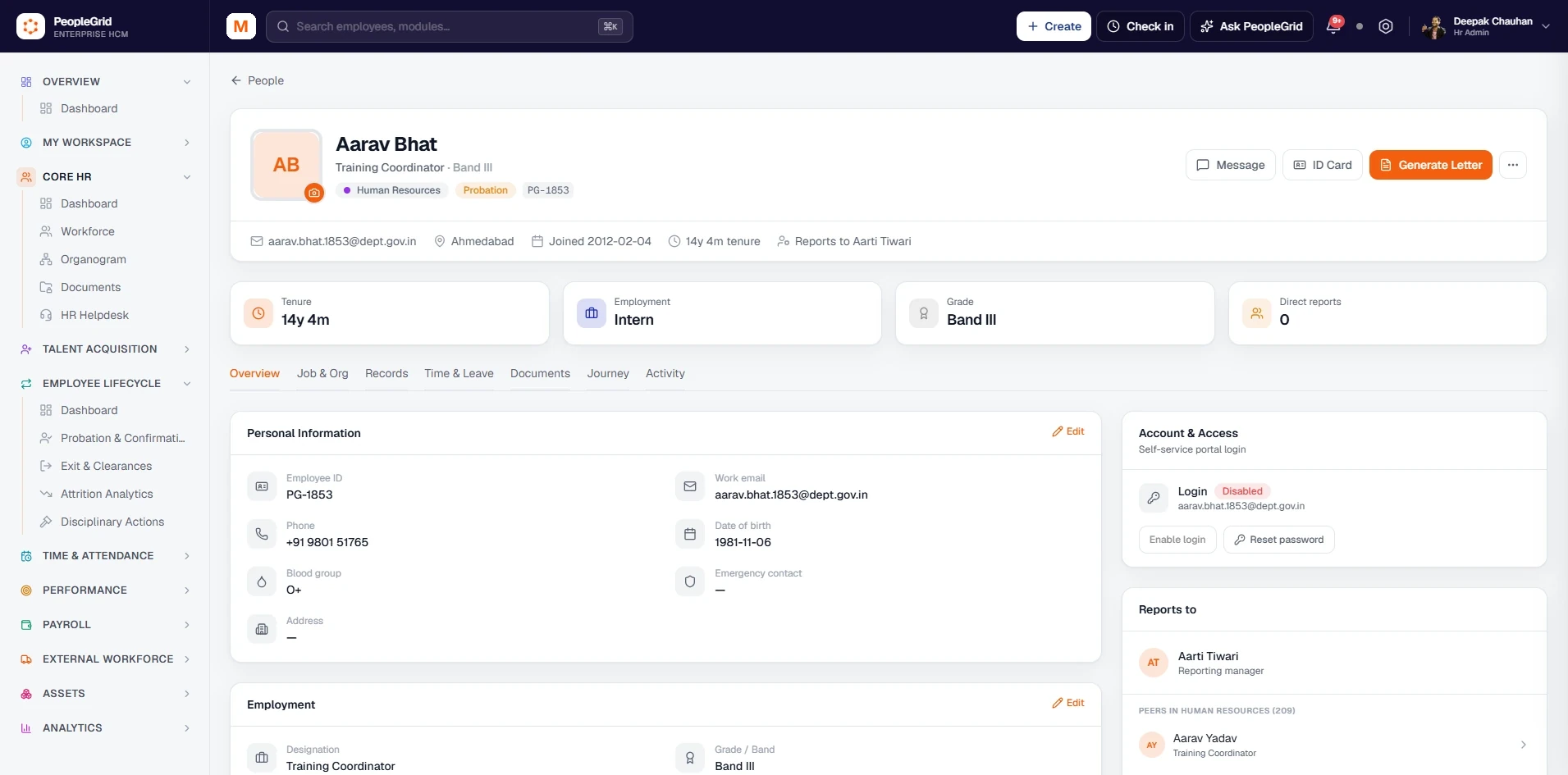
Personal details, designation, reporting line, documents, leave balance, issued assets, and every letter ever generated — all on a single record that follows the person from offer to exit.
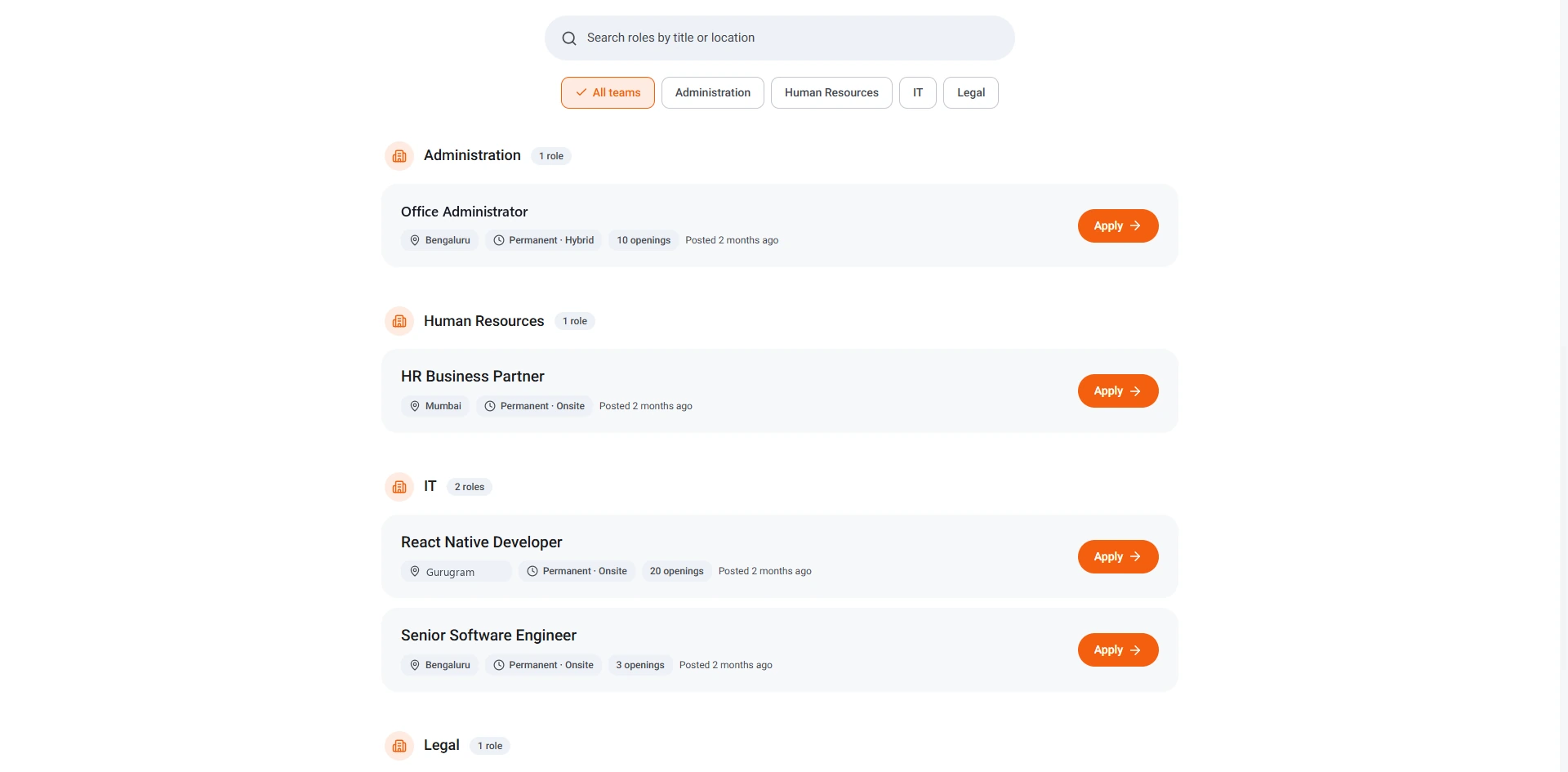
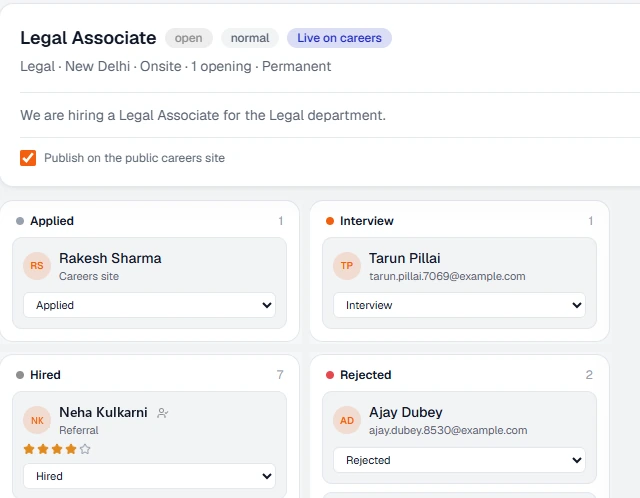
Publish a role and it appears on a careers page carrying your branding — department filters, location, employment type, openings. Candidates apply straight into the recruiter’s pipeline, on the record that later becomes the employee.
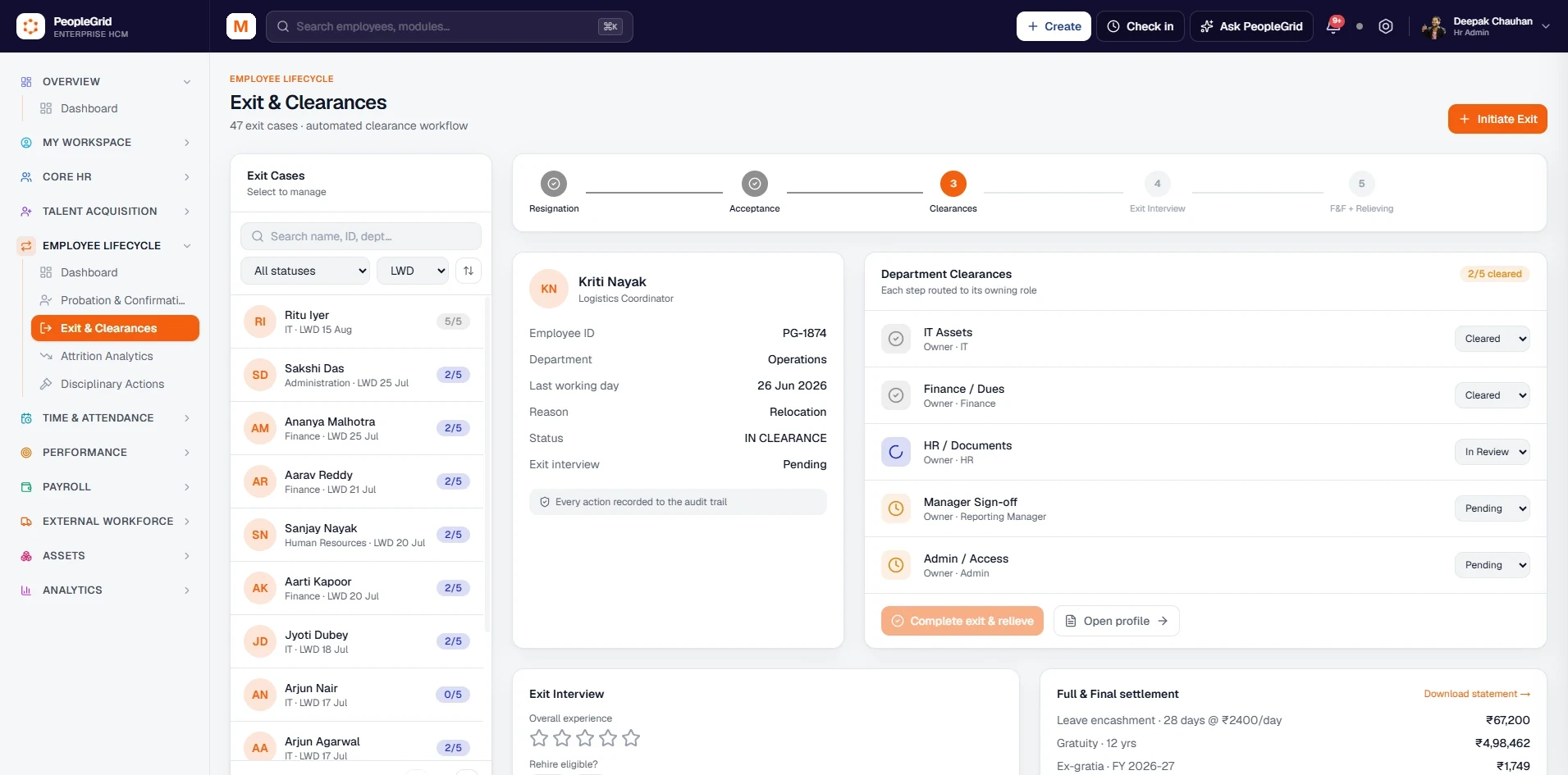
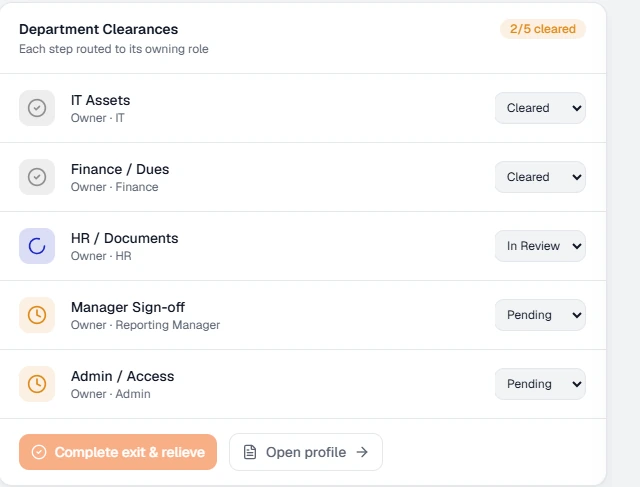
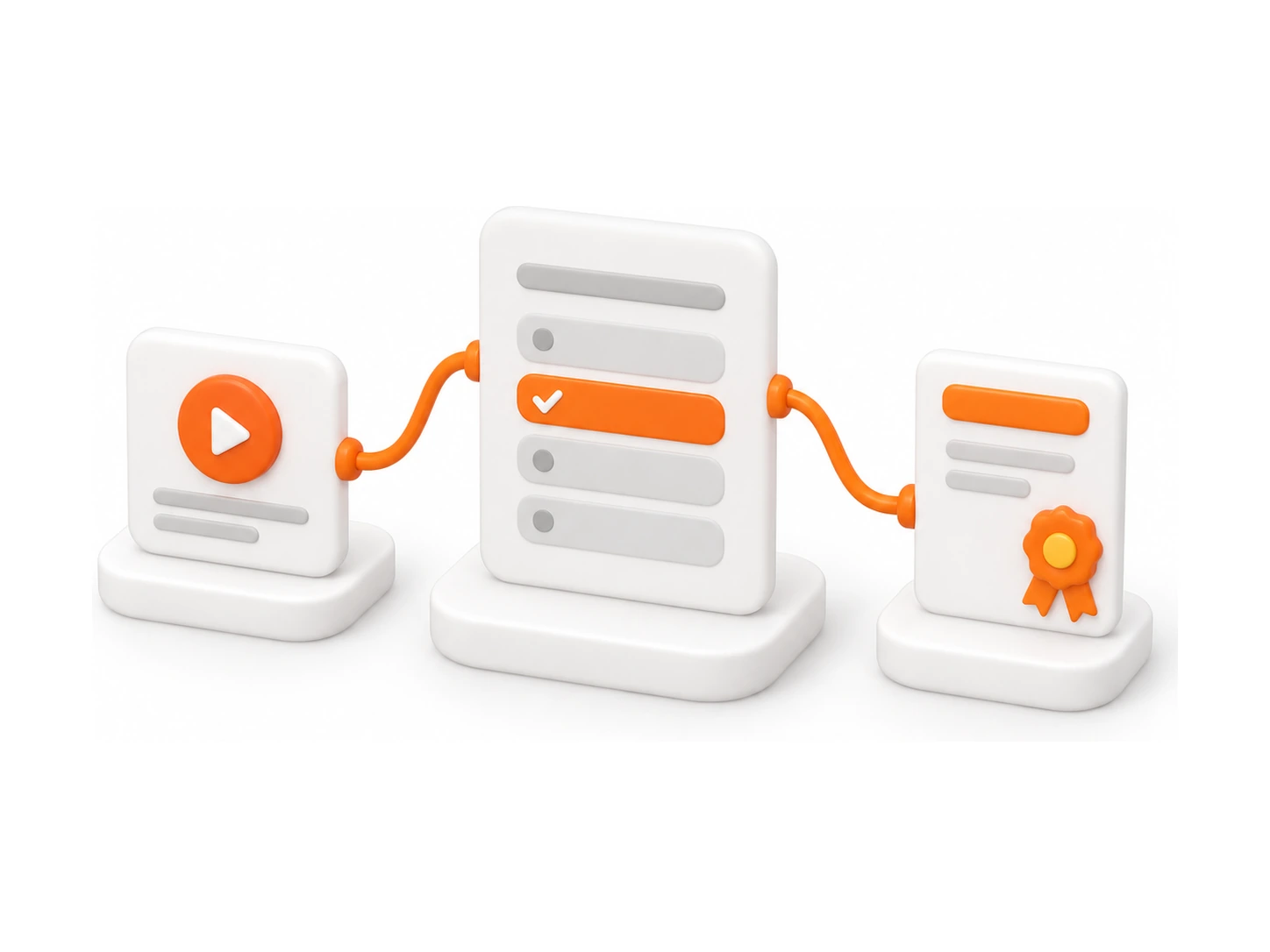
Leave, onboarding tasks, asset issuance, and exit clearances follow your real reporting structure — to the right approver, in the right order, with nothing marked done until every step is signed off.
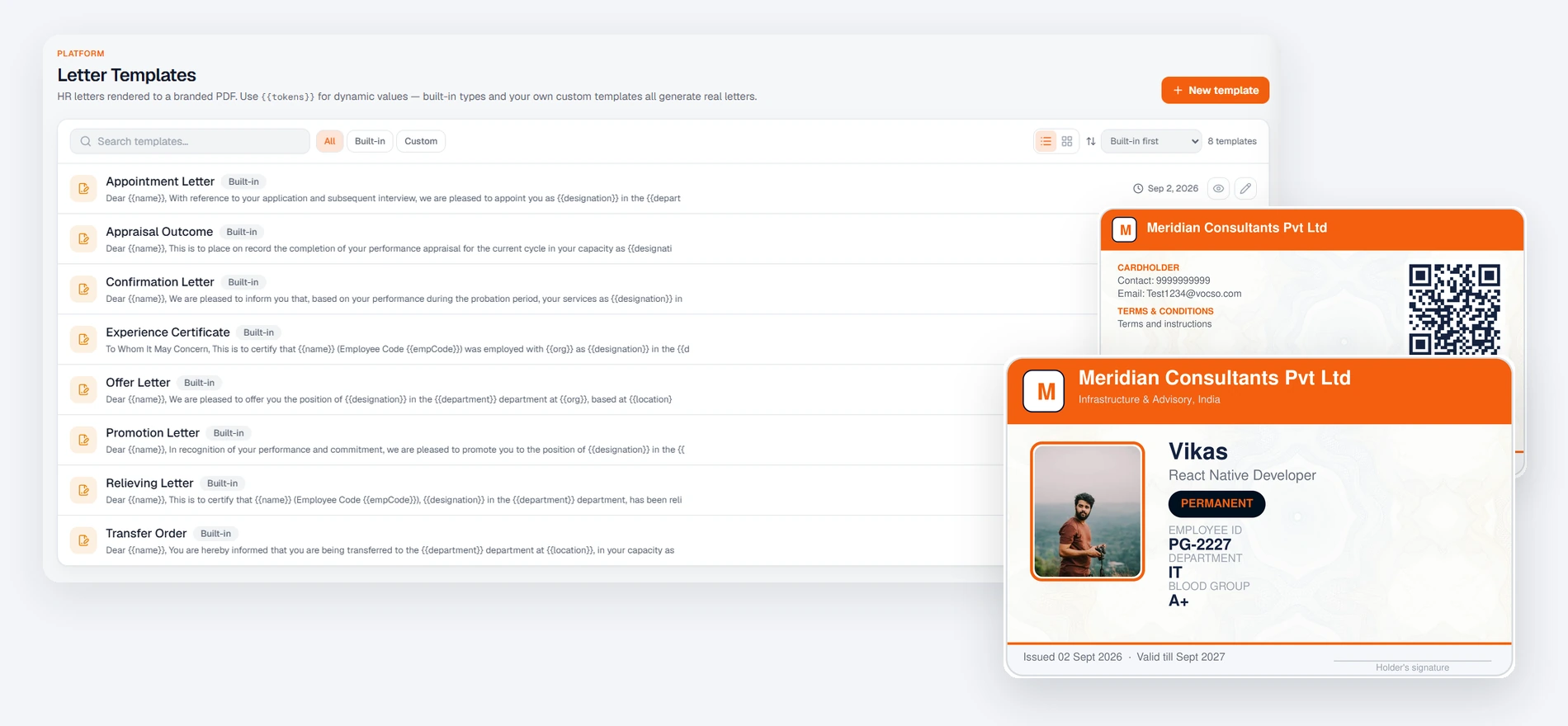
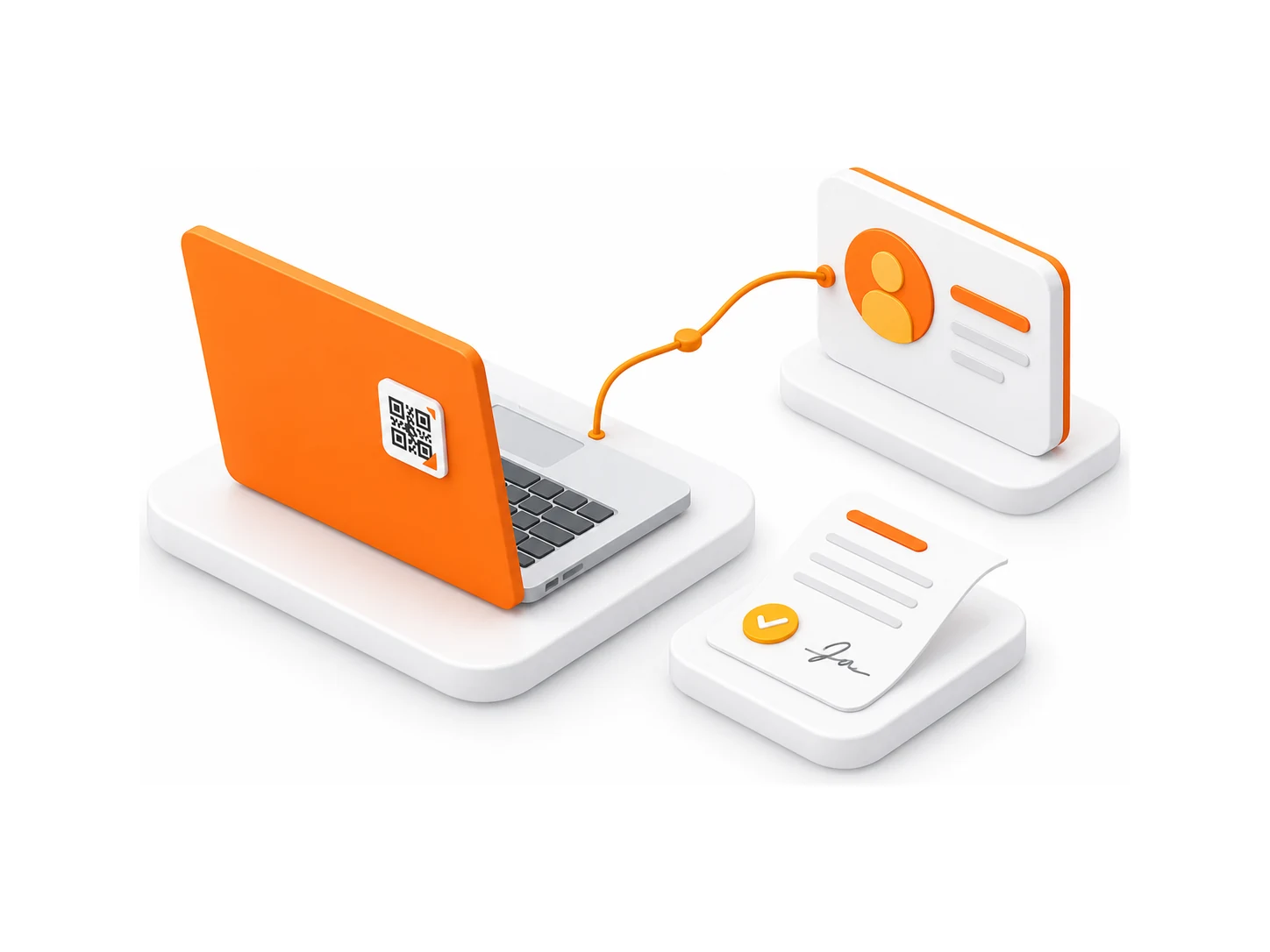
Print-ready ID cards with your template, validity, QR or barcode and authorised signatory — plus offer, confirmation, experience and relieving letters drawn from the same record. Consistent every time, and audit-logged.
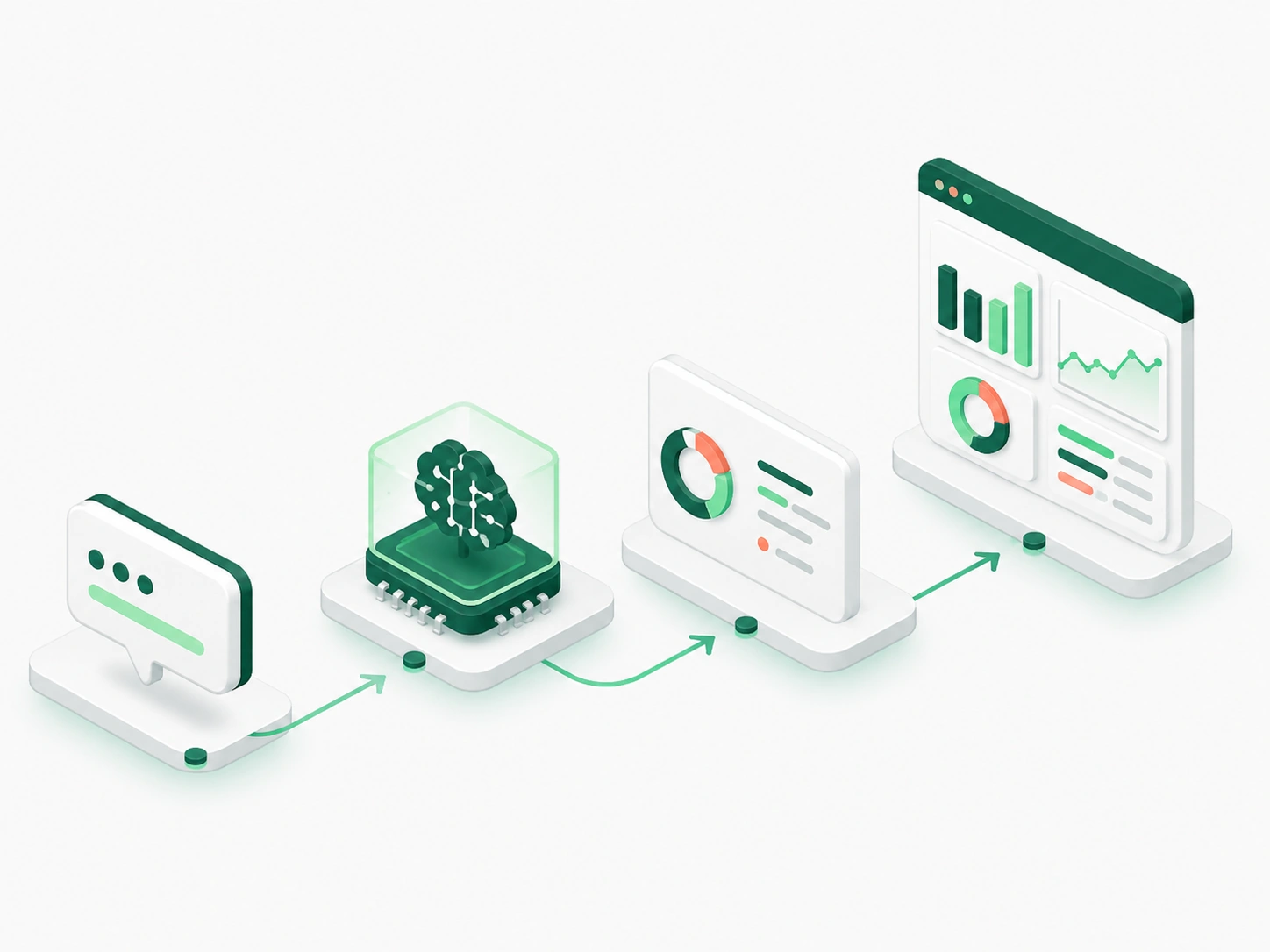
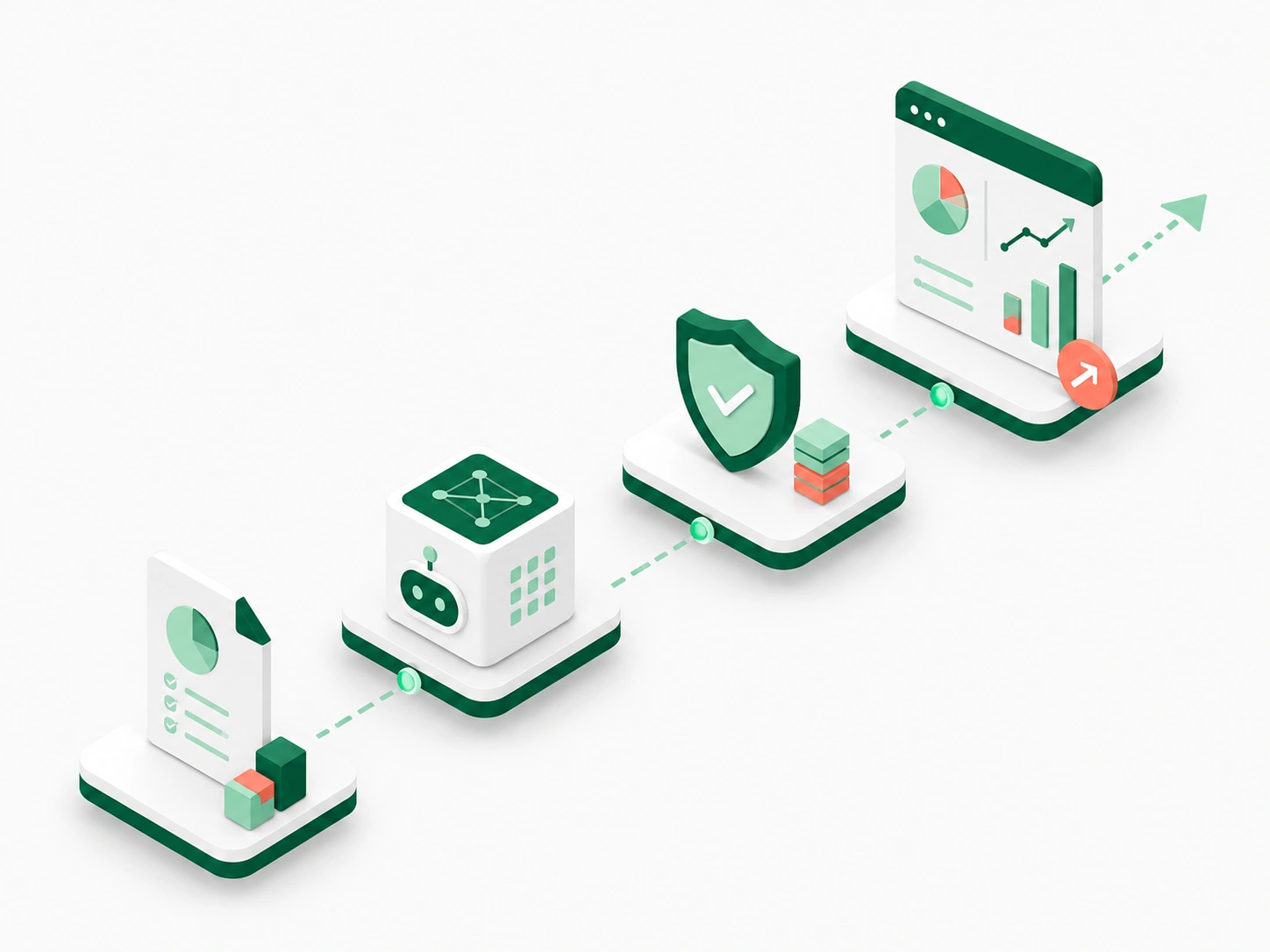
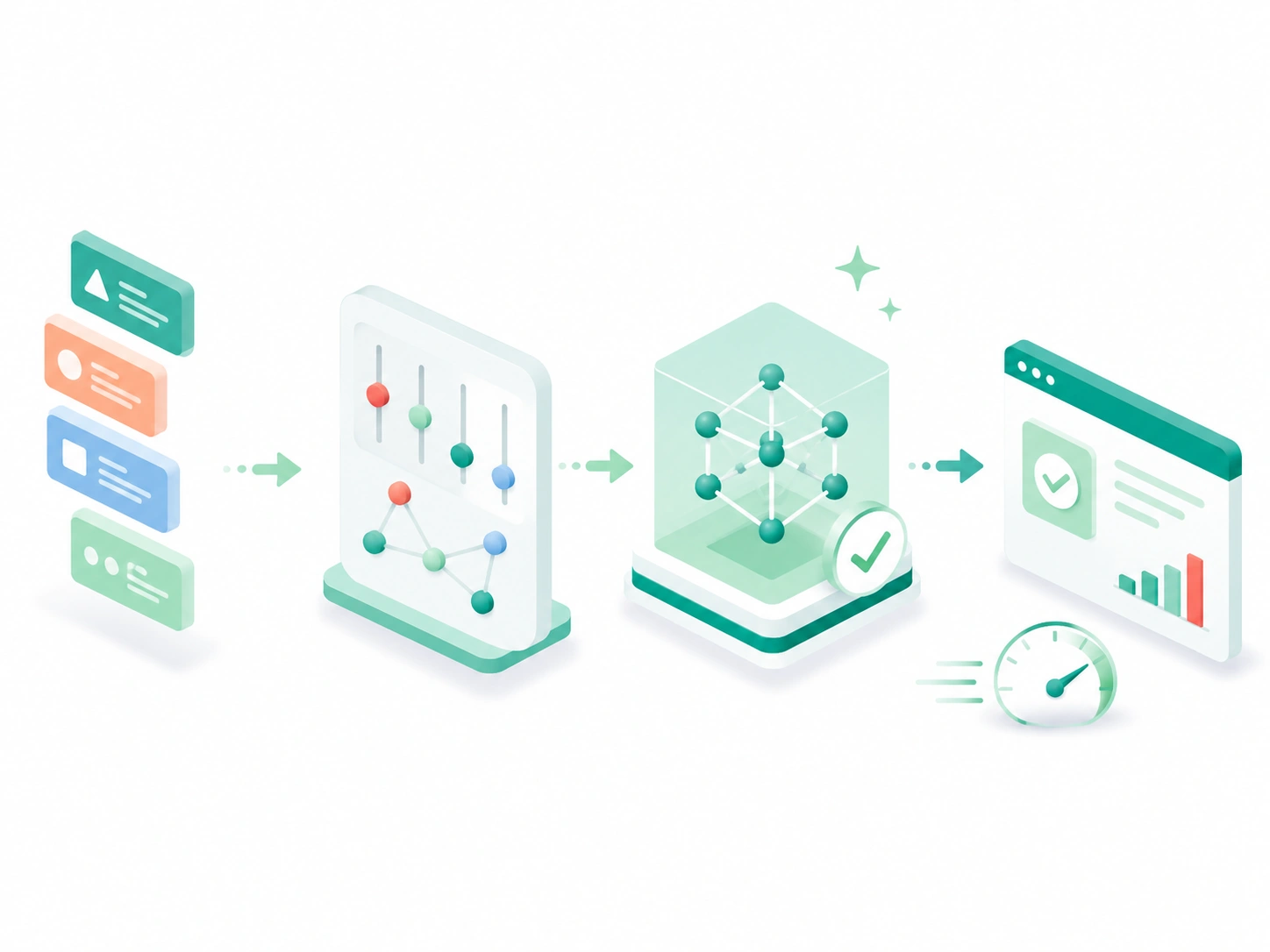
Six stages carry a person all the way through the company — hire, onboard, organise, operate, equip, and exit — each one on the same record, each one accountable.
Open a role, publish it to your branded careers page, and collect applications in one pipeline. Recruiters shortlist against the same record that becomes the employee — nothing re-typed at offer stage.
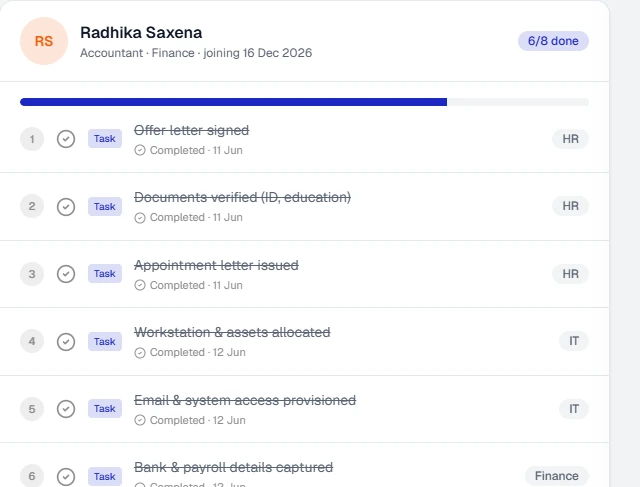
Onboarding runs as a tracked checklist across HR, IT, and the reporting manager — documents collected, asset issued, ID card printed, offer letter signed. Nothing is marked complete until it actually is.
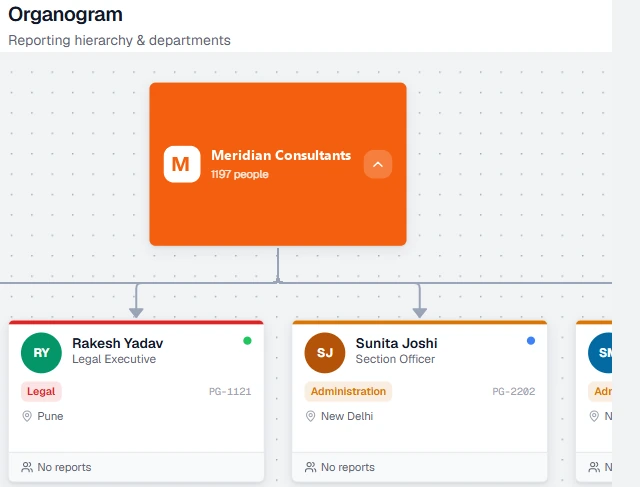
Departments, designations, and reporting lines are modelled in the system, not maintained in a slide. Change a manager once and every approval chain, permission, and report follows it.
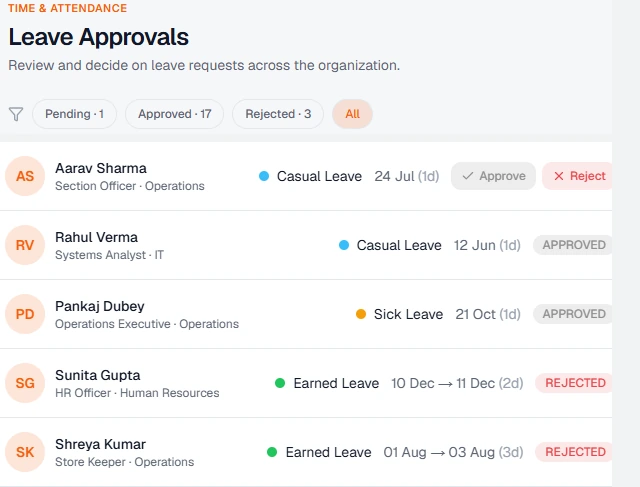
Employees apply, managers approve, and balances update on their own. Every request carries its own history, so nobody has to reconstruct who approved what from an email thread.
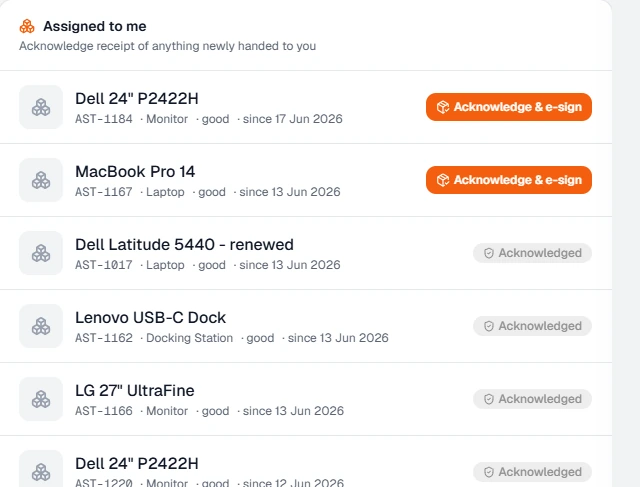
Laptops and equipment are issued against the employee record and signed for, ID cards generate from your template, and HR letters draw on your legal entity details — consistent, and always traceable.
Exit runs the same way onboarding did, in reverse. Assets returned, access revoked, dues cleared, relieving letter issued — every department signing off before the record closes.
Most HR teams are running a legacy HRMS bolted to a stack of spreadsheets. See what changes when the whole lifecycle sits on one accountable record.
The same person re-entered in four different sheets
Approvals chased over email, with no visible status
Candidate details re-typed from a job board into HR files
One shared file that everyone can open and edit
Manually formatted in Word, inconsistent every time
A register nobody updates after the first month
Every request starts with an email to the HR team
Evidence reconstructed from memory when audit asks
PeopleGridOne record from offer to exit, shared by every module
Requests route themselves along your live reporting structure
The applicant record becomes the employee record automatically
Eight role profiles, each scoped to exactly what it should see
Generated from the record with your template and signatory
Every device issued, signed for, and returned on the record
Your branding, your portal — staff serve themselves
Every action attributed, timestamped, and reportable
Watch one person travel from a published job opening to a fully onboarded employee — the application, the offer letter, the approval chain, the asset issue, and the ID card. No slideware, no canned demo.
Different teams carry different parts of the employee lifecycle. Switch between them to see the workspace each role actually gets.
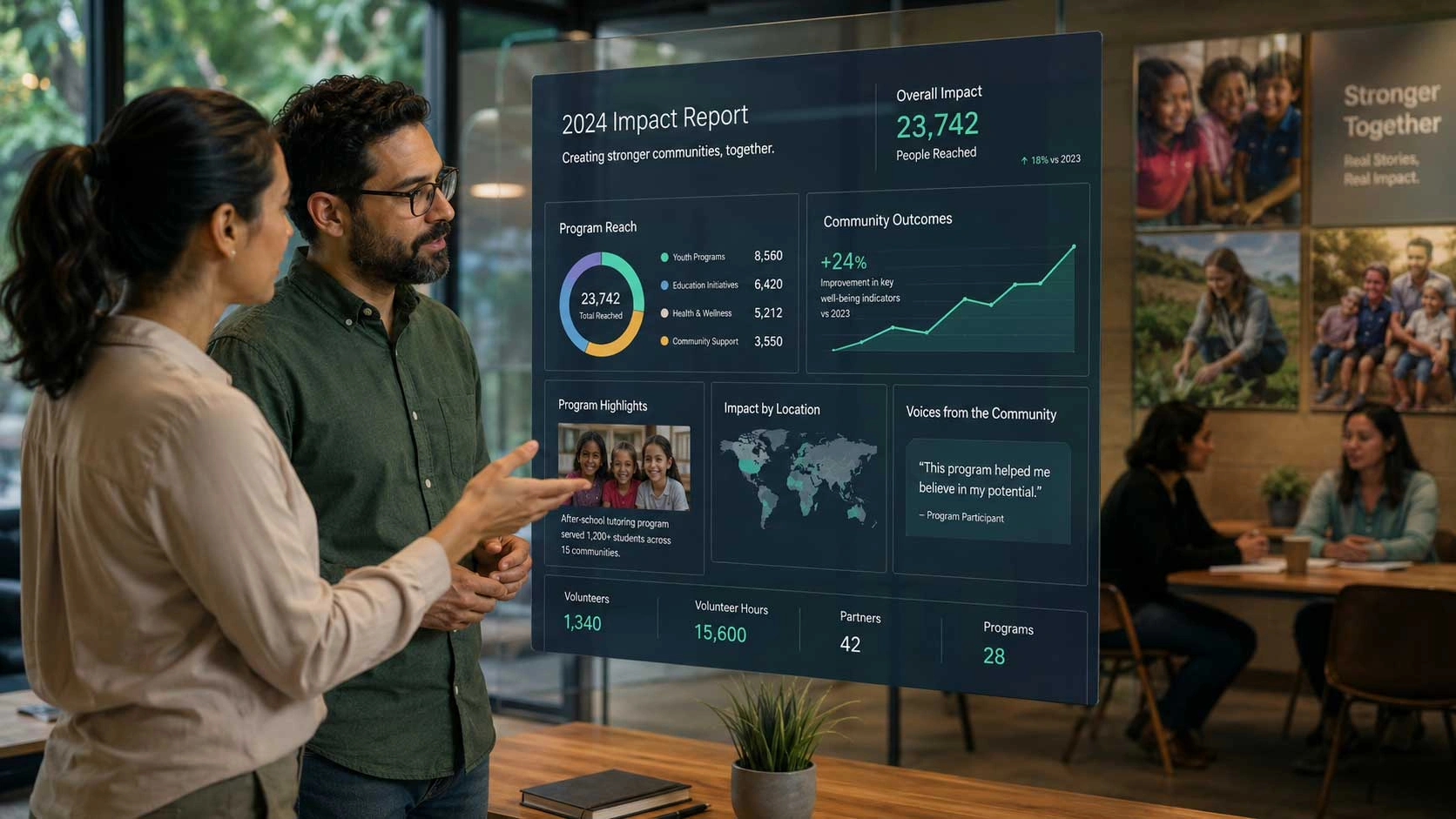
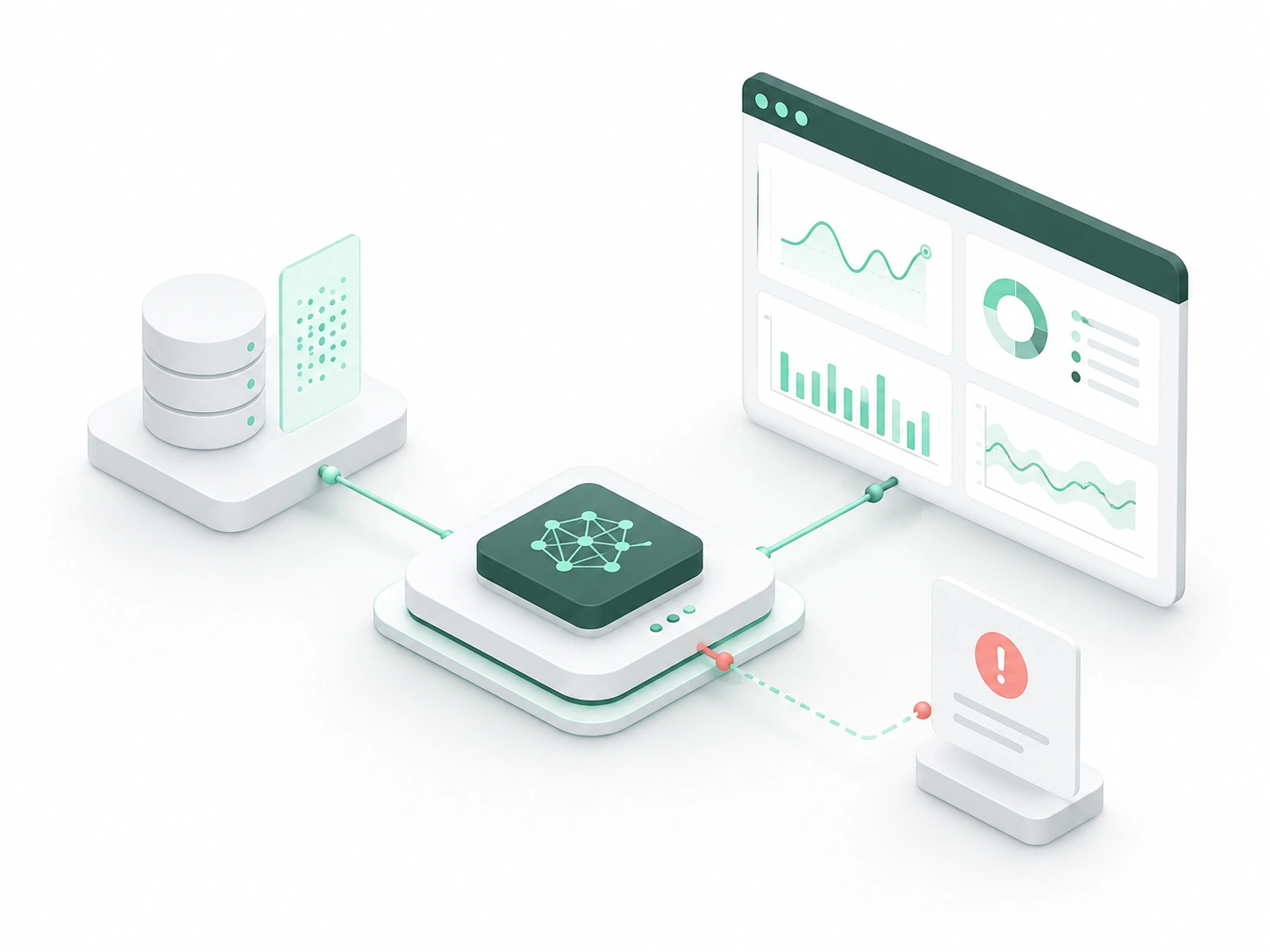
Leadership sees live headcount, cost by department, attrition, and open positions from the same record HR works on — no monthly deck to rebuild, no version to reconcile before a board meeting.
Recruiters publish roles to the careers portal, track applicants by stage, and hand over to HR without re-typing a thing — the applicant record simply becomes the employee record.
Payroll and finance receive attendance, leave, joiners, exits, and approved compensation changes already reconciled — with a CFO view for sign-off before anything is released.
HR owns onboarding, org structure, policies, letters, and ID cards in one place — and stops spending the week chasing approvals and re-formatting documents that should generate themselves.
IT issues laptops, phones, and access against the employee record itself, so an asset is always attached to a person — and exit clearance cannot close until it comes back.
Managers approve for their own reporting line and nothing else. Employees apply for leave, download letters, and check their own record — without an email to HR to start it.
What changes in the first quarter once the lifecycle stops living in spreadsheets and email.
A tracked checklist across HR, IT, and the manager — instead of a week of follow-up emails.
Every approval, letter, and asset handover happens on the record — nothing passed as a file.
HR, recruiter, department head, IT, payroll, CFO, manager, employee — each sees only its own.
Who changed what, when, and under whose approval — ready before anyone asks for evidence.
PeopleGrid adapts to the roles, approval chains, and documents your sector actually runs on — so HR, finance, IT, and every department work from the same employee record.
Consulting & Advisory. Partners and HR leads track utilisation, deployment, and exits across offices on one record — with letters, ID cards, and clearances generated from the same system.
Trusted by Rodic Consultants
Government & Public Sector. Departments run recruitment, postings, ID cards, and clearances inside their own network, with role-scoped access and an audit trail on every action.
Engineering & Infrastructure. Site and project teams move constantly. PeopleGrid keeps postings, attendance, assets, and clearances accurate across locations without a single shared spreadsheet.
IT Services & SaaS. High-growth teams hire continuously. Roles publish to a branded careers portal and the applicant record becomes the employee record without re-keying.
Financial Services. HR data is personal data. PeopleGrid runs inside your network with role-based access, encrypted documents, and a full trail for compliance review.
Healthcare & Research. Shift-heavy, credential-heavy workforces. Track rosters, documents, validity dates, and clearances on one record instead of a wall of registers.
Manufacturing & Logistics. Plant, warehouse, and field staff across sites — attendance, asset issue, and clearances handled in one system that supervisors can actually use.
Education & EdTech. Faculty, staff, and contract roles on one record — with hiring, letters, ID cards, and department approvals that follow the academic structure.
Non-Profits & Foundations. Programme and field staff across locations, with the clean documentation and approval evidence that board and funder reporting depends on.
We pair deep product-engineering experience with a track record of shipping and operating enterprise systems for corporate and government clients — so PeopleGrid clears your security review and earns its place in the stack.
PeopleGrid maps your org structure, designations, approval chains, leave policies, and letter formats before a single employee record is loaded — so the system matches how your company already works.
Org Structure & Reporting Lines

Role & Permission Matrix
Policy, Leave & Letter RulesEvery process runs as a tracked workflow instead of an email chain. Onboarding checklists, leave and asset approvals, payroll inputs, and exit clearances move to the right person in the right order, on their own.
Multi-Level Approval Chains
Onboarding & Exit Checklists
Verified Payroll InputsEvery action is attributed, timestamped, and traceable on the employee record — so HR, finance, and your auditors are always reading the same version of the truth.
Full Audit Trail per Action
Role-Scoped Visibility
Board & Compliance ReportingBook a free 30-minute discovery call with a senior PeopleGrid engineer — no slide deck, just questions about your headcount, your approval chains, and what a fixed-scope pilot on one department would prove.

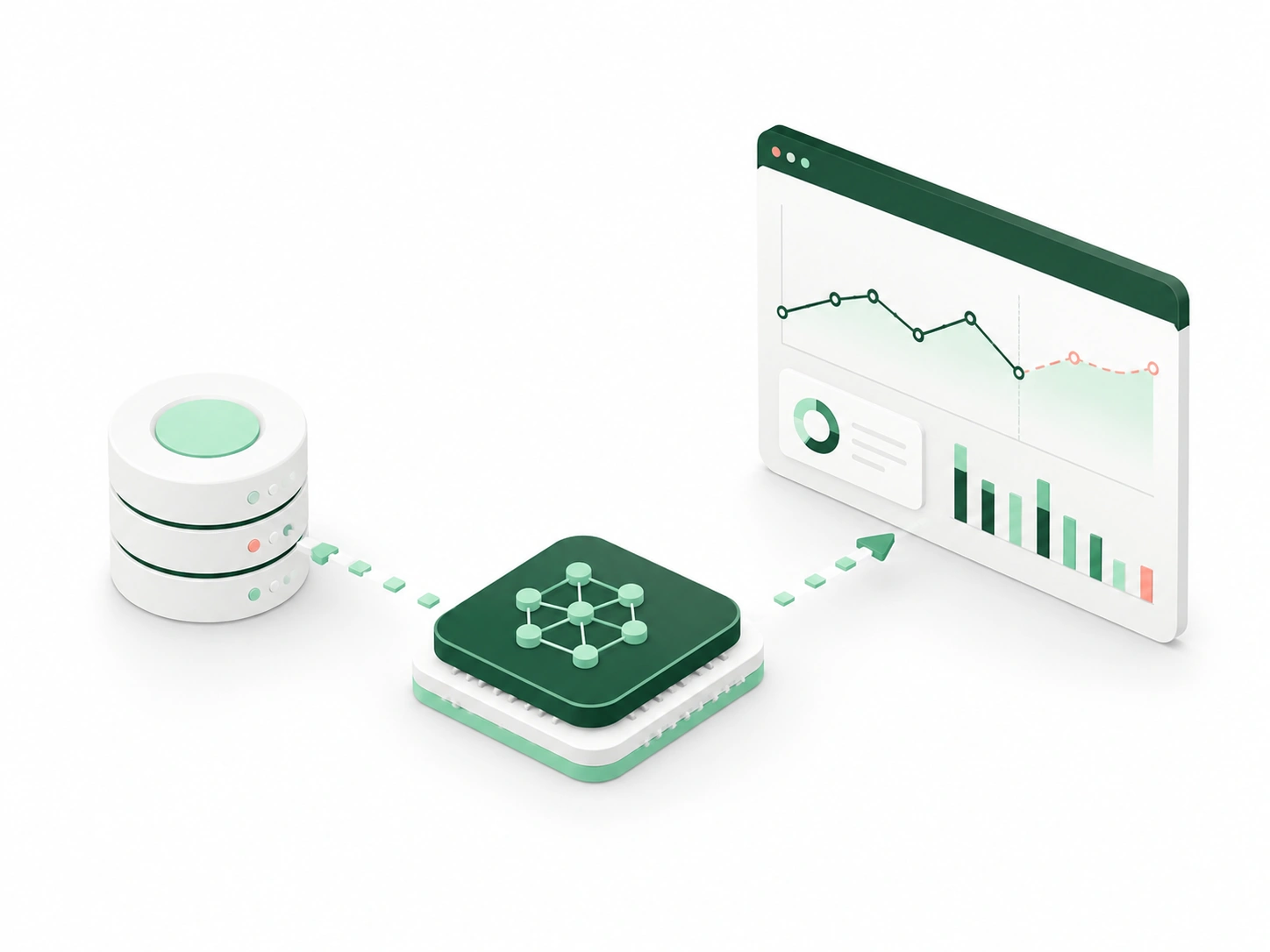
Enabled users to retrieve operational, financial, and project insights through natural language queries, transforming complex data analysis into instant, self-service intelligence.
See case studyPeopleGrid runs on the same engineering stack we use for production enterprise systems — a hardened application layer, your choice of database, encrypted document storage, and assistive AI models that stay inside your tenant. Hosted by us, or deployed entirely within your own network.
Modern, maintainable runtimes behind every screen and workflow.
TypeScript
Node.js
Python
FastAPI
Your employee record lives in the database your IT team already supports.
PostgreSQL
MySQL
SQL Server
MongoDB
Redis
Optional AI for resume screening, policy answers, and HR drafting — with your own model keys.
OpenAI
Anthropic
Azure OpenAI
Google Gemini
Mistral
Groq
DeepSeek
OpenRouter
Semantic search across resumes, policies, and employee documents.
PGVector
Pinecone
Qdrant
Weaviate
FAISS
Milvus
Monitor, trace, and report on the system running your workforce.
OpenTelemetry
Grafana
Enterprise-grade cloud services, or your own on-premise environment.
AWS
Azure
GCP
Docker
Kubernetes
We prioritize secure operational integration, moving far beyond a generic HR portal.
From the job posting to the final exit clearance, every step sits on one employee record — nothing re-keyed between systems.
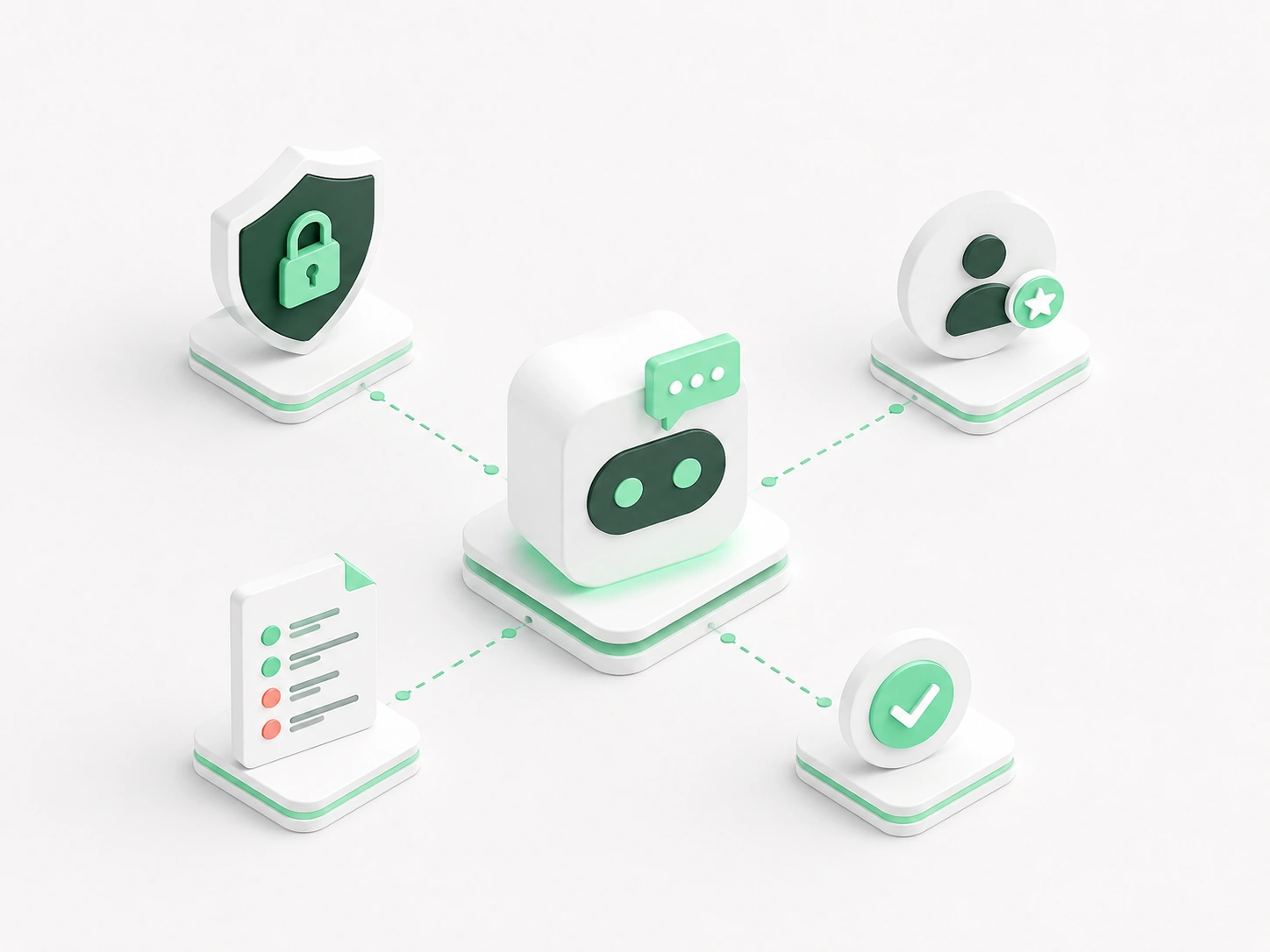
HR, recruiters, department heads, IT, payroll, finance, managers, and employees each get a workspace scoped to exactly what they should see.
Your reporting structure drives every workflow. Leave, onboarding, asset issuance, and clearances route themselves — no chasing signatures over email.
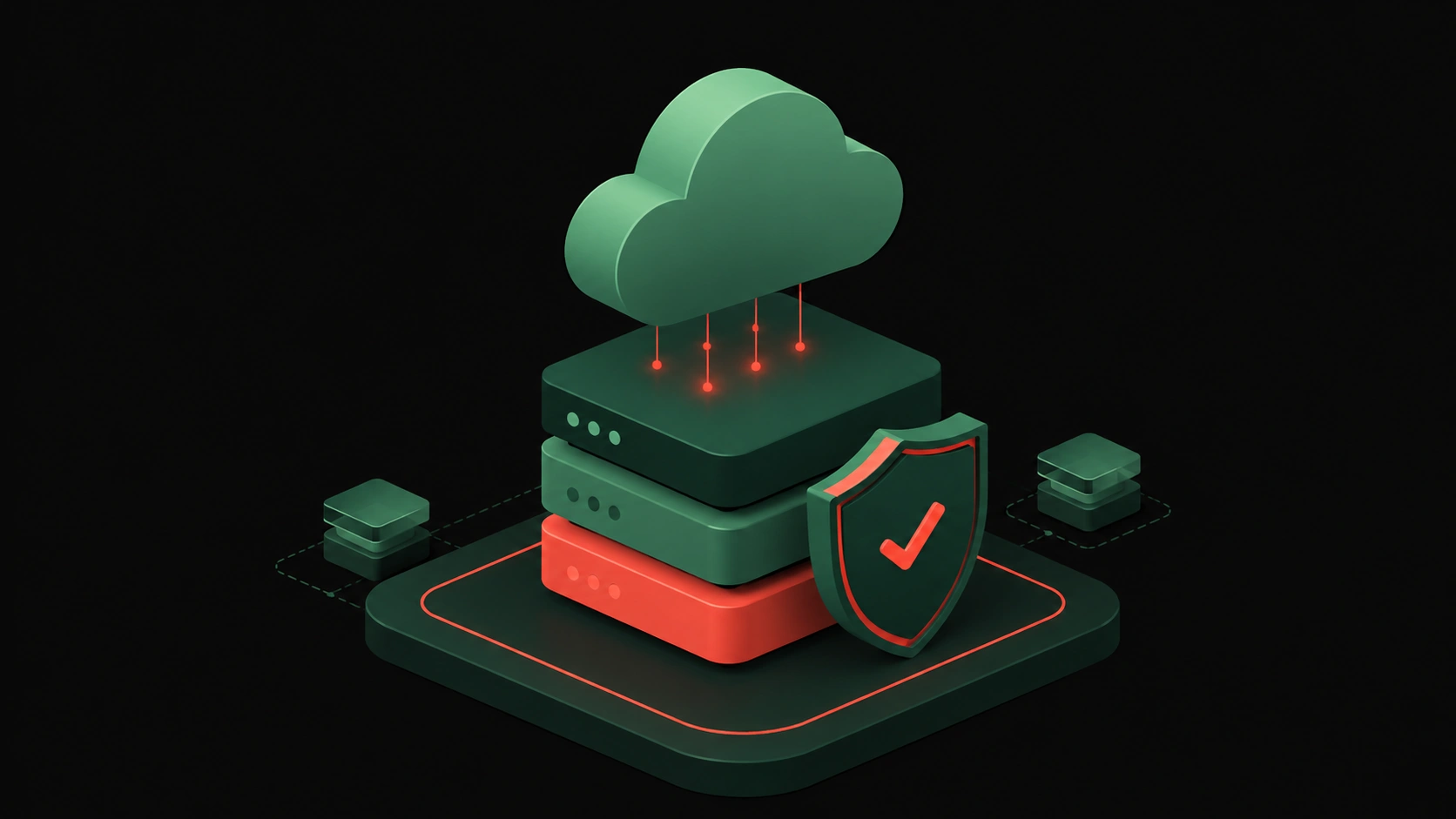
Run PeopleGrid in your own VPC or on-premise. Employee data, documents, and ID records never leave the boundary your security team controls.
Your logo, colours, legal entity, and letter footers. Employees use it as your HR system — not a third-party tool they had to be told about.
Who changed what, when, and under which approval. Built for the evidence your auditors, board, and government clients will ask for.
Where CTOs and Security Officers stop scrolling. Strict trust boundaries with complete ownership of your employee data.
01Connected Sources
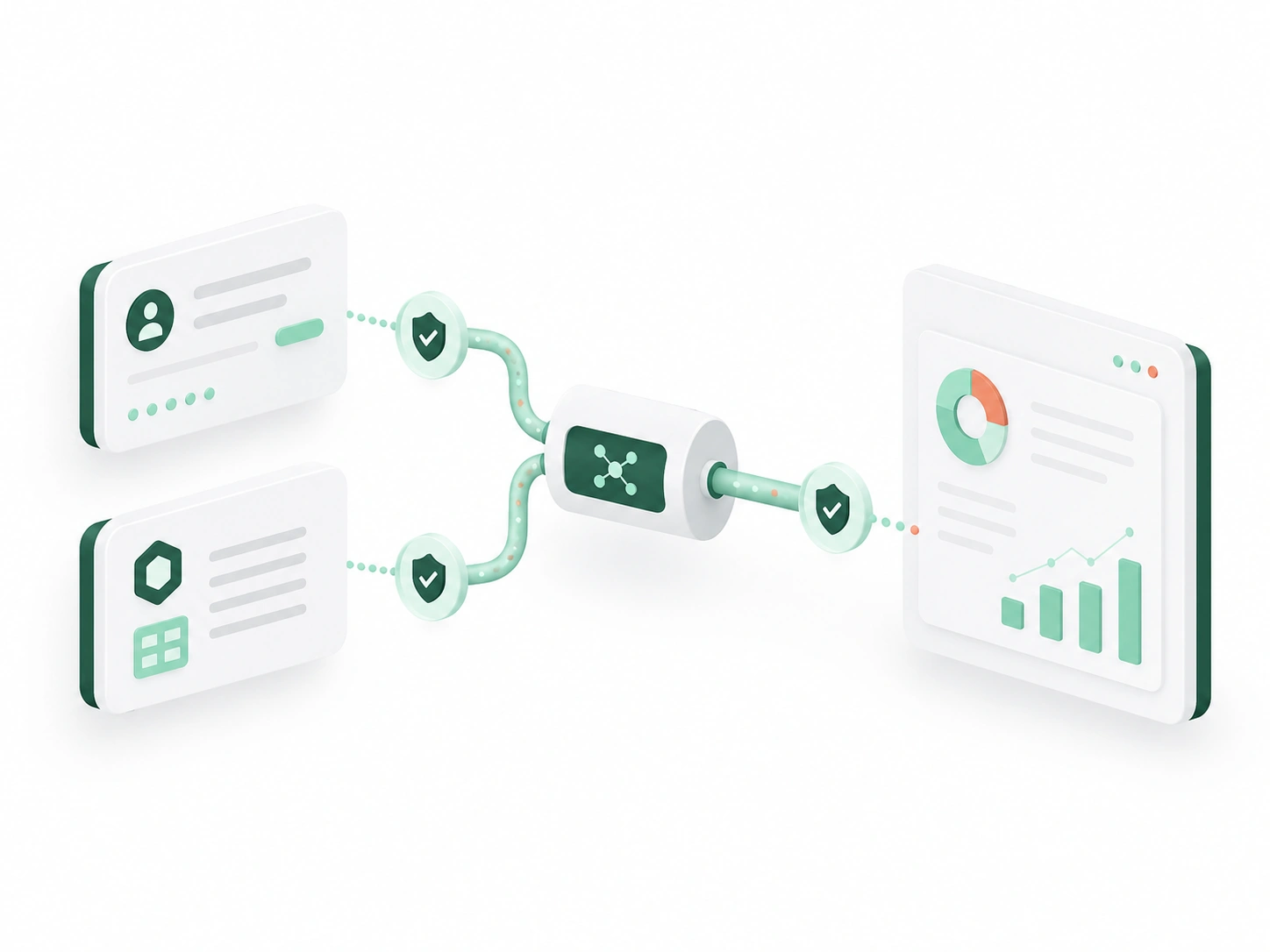
Enforces role-based permissions on every request, routes approvals against your live org structure, and writes an immutable audit entry for every action taken.
Data Stays in Your Tenant03Role-Scoped Access
Employee records are the most personal data your company holds — so PeopleGrid is architected to clear the privacy, security, and data-protection bar your HR, legal, and audit teams hold you to. We design to the standards and frameworks enterprises depend on, across AWS, Azure, and Google Cloud.
General Data Protection Regulation
For workforce data in healthcare organisations
India’s personal data protection framework
Fixed fee. 2–4 weeks on one real department.
Annual subscription. One subscription, all-inclusive — no setup fee.
Annual license — implementation is a one-time fee.
Commercial terms are scoped to your headcount, modules and deployment model during the pilot.
Book a callFirst-hand experiences from teams that run their workforce on VOCSO-built platforms — one employee record, scoped access, and every action accounted for.
View all client testimonials“Vocso team has really creative folks and is very co-operative to implement client project expectations. MicroSave Consulting had great experience working with Anju and Prem.”
“Working with Deepak and his team at Vocso is always a pleasure. They employ talented staff and deliver professional quality work every time.”
“We love how our website turned out! Thank you so much VOCSO Digital Agency for all your hard work and dedication.”
“VOCSO SEO & SEM services helped me find new customers in a small budget. Their advanced SEO strategies made us visible to everyone.”
“Vocso team has really creative folks and is very co-operative to implement client project expectations. MicroSave Consulting had great experience working with Anju and Prem.”
“Working with Deepak and his team at Vocso is always a pleasure. They employ talented staff and deliver professional quality work every time.”
“We love how our website turned out! Thank you so much VOCSO Digital Agency for all your hard work and dedication.”
“VOCSO SEO & SEM services helped me find new customers in a small budget. Their advanced SEO strategies made us visible to everyone.”
Start with a fixed-scope pilot on one department — your org chart, your approval chains, your letter formats, and success criteria agreed up front. Live in weeks, inside your own network if you need it, and yours to verify at every step. No slideware, no canned demo, no commitment beyond the pilot.
deepak@vocso.com — no forms, no funnels.
PeopleGrid is a modular HCM platform that runs your entire employee lifecycle on one record — hiring, onboarding, org structure, payroll inputs, assets, ID cards, letters, and exit clearances. Every role sees only what it should, and every action is written to an audit trail. It is built and backed by VOCSO, and runs in the PeopleGrid cloud or fully inside your own network.
The whole lifecycle, end to end: publish a role and collect applications on your own careers portal, convert the hire into an employee record, run onboarding as a tracked checklist, maintain org structure and reporting lines, route leave and approvals, feed verified payroll inputs to finance, issue assets and ID cards, generate HR letters, and close out exit clearances — without a single spreadsheet passing between teams.
Yes. PeopleGrid is modular by design — most enterprises start with core HR and onboarding, then switch on recruitment, payroll, assets, or ID cards as each team is ready. Every module shares one employee record, so turning a new one on never means re-entering data or reconciling two systems.
Yes. PeopleGrid deploys in our managed cloud or fully inside your own VPC or on-premise environment, so employee data never leaves the network your security team controls. Government and regulated clients typically choose the self-hosted route, with SSO wired to your existing identity provider.
Access is defined by role, not by trust. An HR admin, a recruiter, a department head, an IT or asset manager, a payroll officer, a CFO, a line manager, and an employee each get a different workspace — a manager sees only their own reporting line, payroll sees compensation but not recruitment pipelines, and an employee sees only their own record. Every view and every action is logged.
Yes. Your reporting structure is modelled inside PeopleGrid, and approvals follow it automatically — leave, onboarding tasks, asset issuance, and exit clearances all route to the right approver in the right order. Multi-level chains, department heads, and delegation during absence are supported, and nothing is marked complete until every step is signed off.
Yes. PeopleGrid is fully white-label. Your logo, brand colours, legal entity name, and letter footers are configured per organisation, and the interface ships with a set of ready-made themes so the portal matches your identity. Employees experience it as your HR system, not a third-party tool.
Yes. Every role you open can be published to a public careers page hosted by PeopleGrid, with department filters, location, employment type, and the number of openings. Candidates apply directly, and applications land in the recruiter pipeline against the same record that later becomes the employee — no re-keying between a job board and your HR system.
Yes, both. ID cards are generated from the employee record itself using your template, orientation, validity period, QR or barcode, authorised signatory, and return address — ready to print. HR letters such as offers, confirmations, and experience or relieving letters generate from the same record with your legal entity details, so they are consistent, system-generated, and audit-logged.
PeopleGrid owns the inputs payroll depends on — attendance, leave, joiners, exits, compensation changes, and approvals — and hands finance a verified set of figures instead of a chased spreadsheet. Finance and CFO roles get their own review and sign-off views, and PeopleGrid integrates with the payroll or accounting system you already run rather than replacing it.
A typical pilot runs 2—4 weeks: we load one department with its real org structure, approval chains, and letter formats, agree the success criteria before we start, and let your team run an actual month on it. Full rollouts scale from there department by department, and the pilot fee is credited into whichever commercial model you choose.
PeopleGrid is built by VOCSO, a product-engineering team with a track record of designing, shipping, and operating enterprise platforms for corporate and government clients — that experience, productized. Enterprise engagements include guided implementation, HR team training, and a dedicated SLA, with quarterly reviews as you roll out to more departments.