
Since 2009
Seventeen years of shipping software for startups and enterprises, across every major shift in the web stack.



We build fast, content-heavy websites on Astro: static HTML by default, JavaScript only where a page needs it, and any headless CMS your editors prefer. We migrate sites from WordPress, Next.js and Gatsby with a URL-by-URL redirect plan so rankings carry over. Packages start at $990 and custom builds are quoted after discovery. Our own website, vocso.com, runs on Astro and Cloudflare: 718 pages, rebuilt in about five weeks.













 Reviewed by Deepak Chauhan, Founder & CEOLast updated
Building for the web since 2009

Company sites, service pages, blogs and documentation pre-rendered to static HTML, with interactive islands only where a page needs them.

Move from WordPress, Next.js or Gatsby with a full URL inventory, a 301 redirect map, content migration and parity checks before launch.

Strapi, Payload, Directus or a Git-based CMS such as Keystatic, modelled for your editors and wired into Astro content collections.

Performance budgets per template, optimised images and fonts, and LCP targets of 2.5 seconds or less on mobile for key pages.

Structured data that matches the page text, FAQ answers in the first HTML response, XML sitemaps and llms.txt generated at build time.

Deployment to Cloudflare Pages, Vercel or Netlify with preview builds, backups and monthly care for updates, content and new pages.
We run our own business on Astro. The site you are reading was rebuilt from WordPress to Astro on Cloudflare in about five weeks, with every old URL accounted for.
Seventeen years of shipping software for startups and enterprises, across every major shift in the web stack.

Independently certified information security — the baseline enterprise procurement checks.

Nine in ten clients come back for their next project — the most honest measure of delivery quality.


Verified client reviews collected independently by Clutch.

vocso.com builds 718 pages in about 7 seconds, with sitemaps, structured data and AI files generated on every publish.
Strapi, Payload, Directus or Keystatic: we pick the content platform for how your team works, not the one we prefer to build.
When Astro is the right choice, why our own website runs on it, and how to move an existing site across without losing traffic.
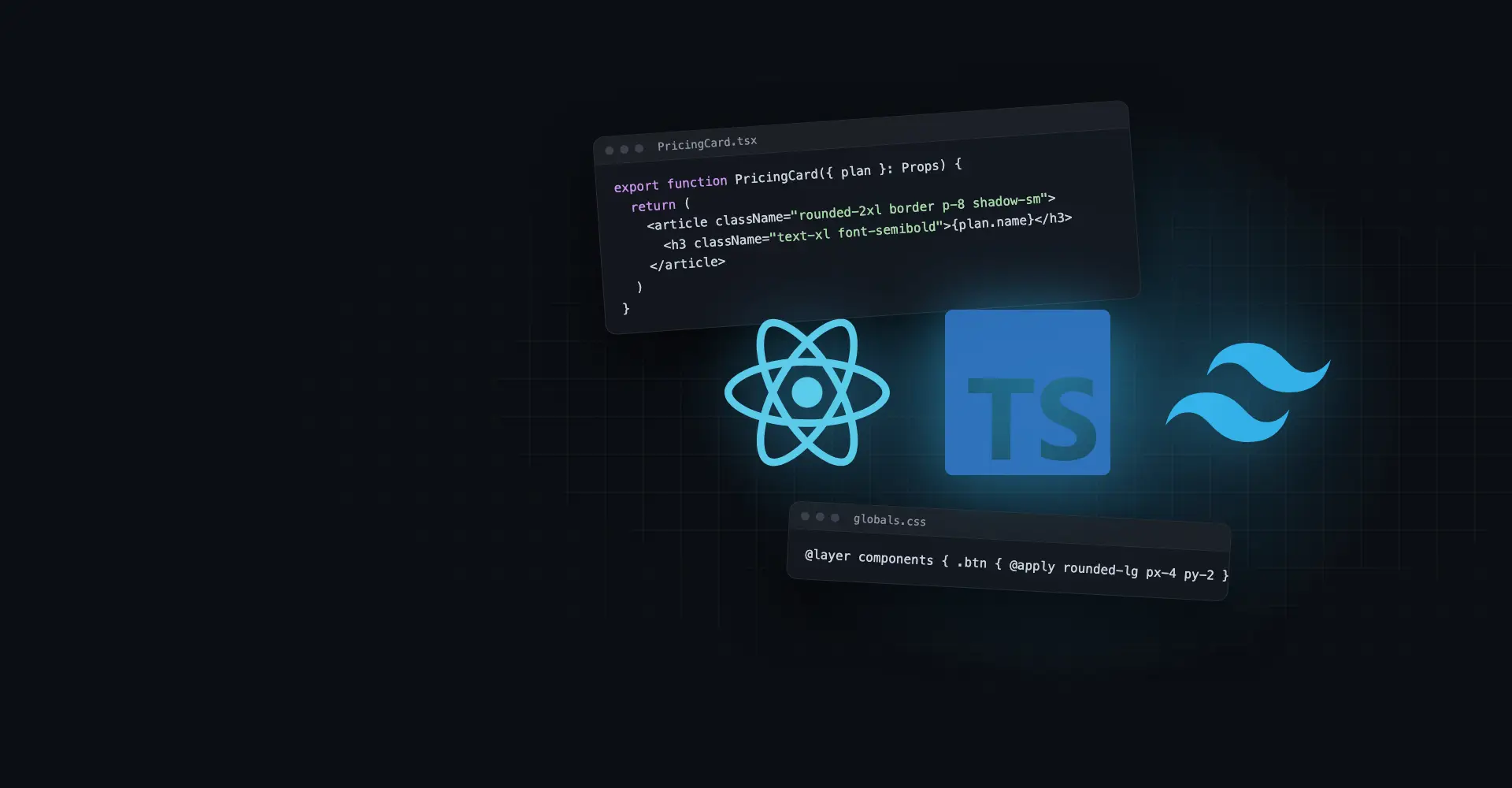
Astro development is building websites on Astro, a framework that renders pages to plain HTML at build time and ships JavaScript only for the components that need it, called islands. Those islands can be written in React, Vue or Svelte, so teams keep the component skills they have. The result is pages that are light by default, easy for search engines and AI assistants to read, and simple to host on a CDN or edge network. Next.js starts from the opposite end: a React application framework that renders on the server or at build time and grows naturally into logged-in products. We build on both, and choose by what the site has to do.
We will say so when Astro is the wrong tool:
Static HTML by default with islands of interactivity. Fastest path to light, indexable content sites, with any headless CMS. Not designed for app-heavy products.
A React application framework with server rendering, ISR and API routes. Best when the website grows into a logged-in product. See Next.js development.
Familiar editing and plugins, and quick to launch for smaller sites. Heavier pages and more upkeep as a site grows. See WordPress website design.
Key takeaway: choose Astro for content-led sites that must load fast and rank; choose Next.js when the website is the front of an application.
In 2026 we rebuilt vocso.com from WordPress to Astro 7. Work started on 25 September and the new site went live on 1 November, about five weeks later. It is a large site for an agency: 248 blog posts, 101 pages and 107 portfolio items, 718 pages in all, every one pre-rendered as static HTML. A full build takes about 7 seconds. It runs on Cloudflare Pages with Pages Functions for forms and redirects, and 636 MB of images are served from Cloudflare R2 instead of the code repository.
In the first 16 days after launch, clicks from service searches rose from 34 to 83 compared with the old site's previous 16 days. The StackRoom marketing site is moving to Astro next, while its web app stays on Next.js.
Key takeaway: Astro let us move a 718-page site off WordPress in five weeks without losing the URLs that already ranked.
Rankings belong to URLs, so a migration is safe only when every URL that matters still answers, with the same content or a 301 to its closest replacement. We treat the redirect map as a deliverable, not an afterthought, and agree acceptance criteria before the build starts.
Key takeaway: agree the URL map and the acceptance checks before design starts, and a migration to Astro keeps the traffic you have earned.
Price follows scope, not the framework. The number of unique page templates, the CMS and content model, integrations and any migration work decide the cost. A short discovery call turns these ranges into a fixed quote.
Fixed-price websites for smaller sites with a defined number of pages.
Bespoke design and build, a headless CMS and integrations, quoted after a short discovery call.
Front-end capacity for an ongoing roadmap of pages, features and improvements.
Try the website cost calculator for a ballpark, hire front-end developers monthly, or request a fixed quote for a defined build.
Key takeaway: fix the scope first: templates, CMS, integrations and migration size move the price far more than the choice of Astro.
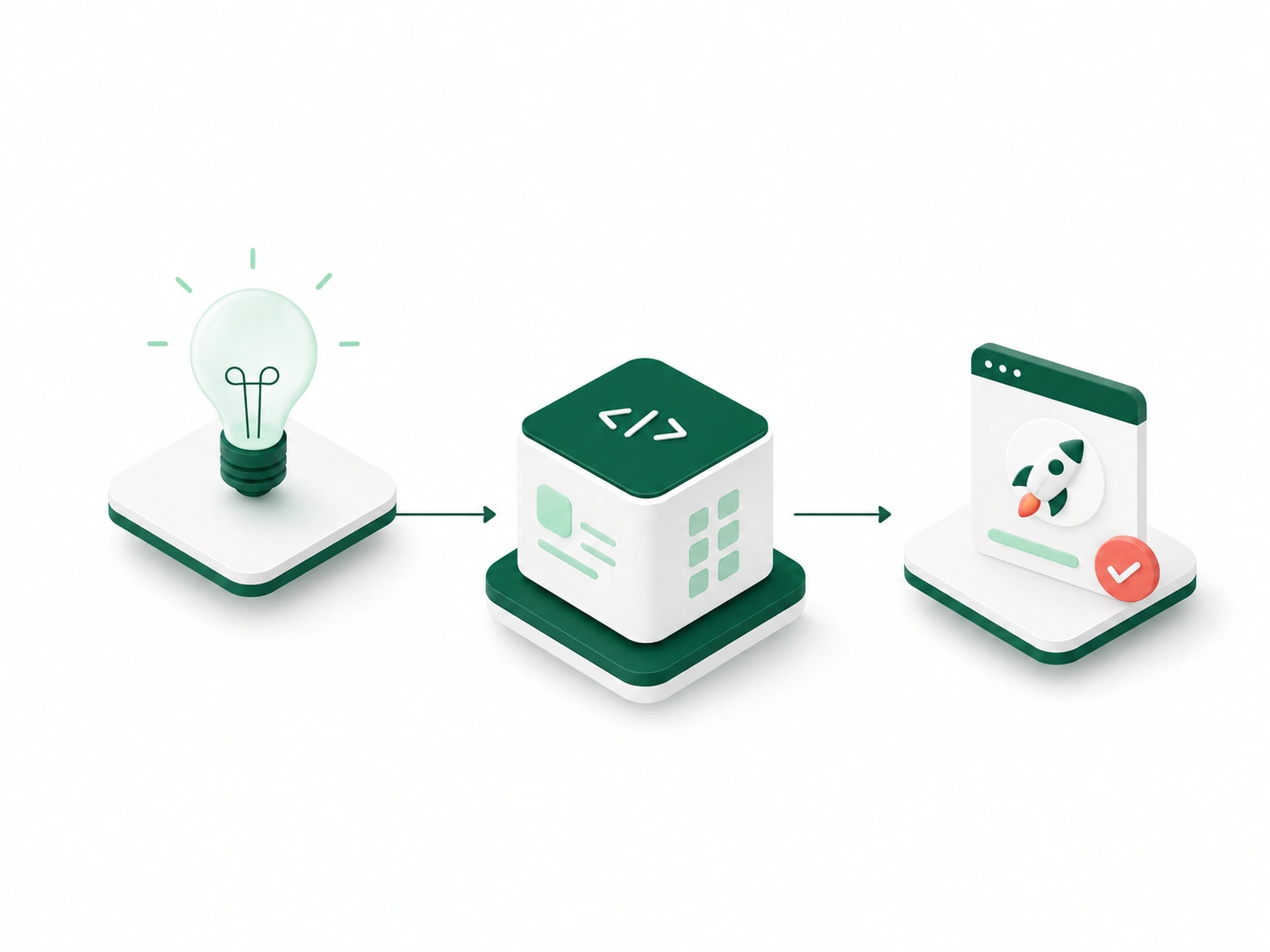
Goals, templates and content model first, plus a full inventory of existing URLs if you are migrating.
 Technical workshopURL inventoryCMS choiceFixed quote & timeline
Wireframes and UI design in Figma, or your approved designs turned into a component library.
WireframesUI design systemResponsive layoutsAccessibility reviewAstro templates, content collections and CMS integration, with a preview build for every change.
Astro componentsCMS integrationIslands where neededPreview deploymentsPerformance budgets, structured data, redirects and content parity checked before launch.
Core Web Vitals budgetsSchema validationRedirect testingContent parityLaunch with redirects and analytics live, then monitoring, updates and new pages as you grow.
Redirects & analyticsSearch Console checksTeam handoverOngoing supportBook a free call with a senior front-end engineer — bring your current site or your Figma designs.

We rebuilt our own 718-page website from WordPress to Astro 7 on Cloudflare Pages in about five weeks, with a Git-based CMS for editors, media on Cloudflare R2, every old URL redirected or retired, and sitemaps, structured data and AI files generated on each publish.
See case study 718
 ~7s 140
 5 weeks Fixed-Scope Project
A new Astro website or a migration with agreed scope, milestones and price.
Packages from $990 Fixed scope & pricing Redirect map included Documentation & handover Dedicated Front-End Developers
Front-end engineers with Astro, React and headless CMS experience working as part of your team.
Full-time engineers Your sprint cadence Scale up or down Named tech lead Time & Materials
Flexible capacity for new pages, performance work and CMS changes on an existing Astro site.
Pay for hours used Change priorities anytime Weekly reporting No long lock-inNot sure which fits? Tell us about your project and we'll recommend one.
Schedule a call
First-hand experiences from brands that scaled smarter, innovated faster, and achieved measurable growth with VOCSO.
View all client testimonials“Vocso team has really creative folks and is very co-operative to implement client project expectations. MicroSave Consulting had great experience working with Anju and Prem.”

“Working with Deepak and his team at Vocso is always a pleasure. They employ talented staff and deliver professional quality work every time.”

“We love how our website turned out! Thank you so much VOCSO Digital Agency for all your hard work and dedication.”

“Vocso team has really creative folks and is very co-operative to implement client project expectations. MicroSave Consulting had great experience working with Anju and Prem.”
“Working with Deepak and his team at Vocso is always a pleasure. They employ talented staff and deliver professional quality work every time.”
“We love how our website turned out! Thank you so much VOCSO Digital Agency for all your hard work and dedication.”
A team that runs its own website on Astro, a redirect plan agreed before build, and a fixed quote before work starts.








 Transparency on every decision Talented Team of AI Engineers Smooth Collaboration & Reporting Efficient & Adaptive Workflow Strict Privacy Assurance with NDA 12 Months Free Post-Launch Support On-time Delivery, No Surprises ISO 27001 Certified Engineering
Tell us about the site you want to build or migrate. We will recommend a CMS, hosting and a realistic timeline, and send a fixed quote for defined work.
[email protected] — straight to a senior team member.
An Astro development company designs, builds and runs websites on the Astro framework. At VOCSO that covers UX and UI design, Astro templates and content collections, headless CMS setup, migration from an existing site with a 301 redirect map, structured data and sitemaps, performance work and hosting on Cloudflare, Vercel or Netlify. We also take over existing Astro sites after a short audit. Our own website, vocso.com, is a 718-page Astro build, so we work with the same tools we recommend.
Neither is better in general; they suit different jobs. Astro renders pages to static HTML and adds JavaScript only where a component needs it, which makes it a strong choice for marketing, content and documentation sites. Next.js is a React application framework that suits products with logins, dashboards and personalised pages. If your website is mainly read, we usually recommend Astro. If it is the front of an application, we recommend Next.js. We build on both and will explain the trade-off for your project.
Yes. Astro sends complete HTML in the first response, so search engines and AI assistants can read every heading, paragraph and FAQ answer without running scripts. Pages are light by default, which helps Core Web Vitals. We add JSON-LD structured data that matches the visible text, XML sitemaps, clean URLs and llms.txt files at build time. Rankings still depend on content and authority, but Astro removes the technical barriers that often hold content sites back.
Yes. Astro fetches content from almost any source at build time or on request. We integrate headless platforms such as Strapi, Payload and Directus, hosted CMSs such as Sanity and Contentful, headless WordPress, and Git-based editors such as Keystatic, which is what vocso.com uses. We choose the CMS for how your editors work, then model the content so they can add and change pages without a developer.
Yes, and keeping your rankings is the core of the job. We inventory every URL from your sitemap, Search Console, analytics and a crawl, then build a one-to-one 301 redirect map and test it on staging. Content, images and metadata move into the new CMS, and the titles and descriptions of ranking pages are kept. We moved vocso.com from WordPress to Astro in about five weeks, with 140 permanent redirects and 201 retired URLs handled. See our website redesign services.
Static Astro sites can run on any CDN. We usually deploy to Cloudflare Pages or Vercel, and Netlify when a client already uses it. Server features such as forms, redirects or personalisation run on the same platform as functions or workers. vocso.com runs on Cloudflare Pages with Pages Functions, with images on Cloudflare R2. We set up staging and production, SSL, backups and preview builds, and can run hosting for you or hand it to your team.
It depends on scope rather than on Astro itself. Our website packages start at $990 for smaller sites with a defined number of pages. Custom Astro builds with bespoke design, a headless CMS, integrations or a large migration are quoted after a short discovery call. The main cost drivers are the number of unique page templates, the content model, integrations and how many URLs need migrating. Try the website cost calculator for a ballpark, or ask for a fixed quote.
Yes. You own the repository, the CMS and the hosting accounts. We work in a repository under your organisation or transfer it at launch, set up hosting in your name, and hand over credentials, documentation and editor training. Nothing is locked to VOCSO, so your in-house team or another agency can maintain and extend the site. If you prefer, we can keep running hosting and maintenance on a monthly plan.
Discover complementary services that enhance performance, improve user experience, and help your business build scalable digital solutions efficiently.

Certified, partnered and independently rated