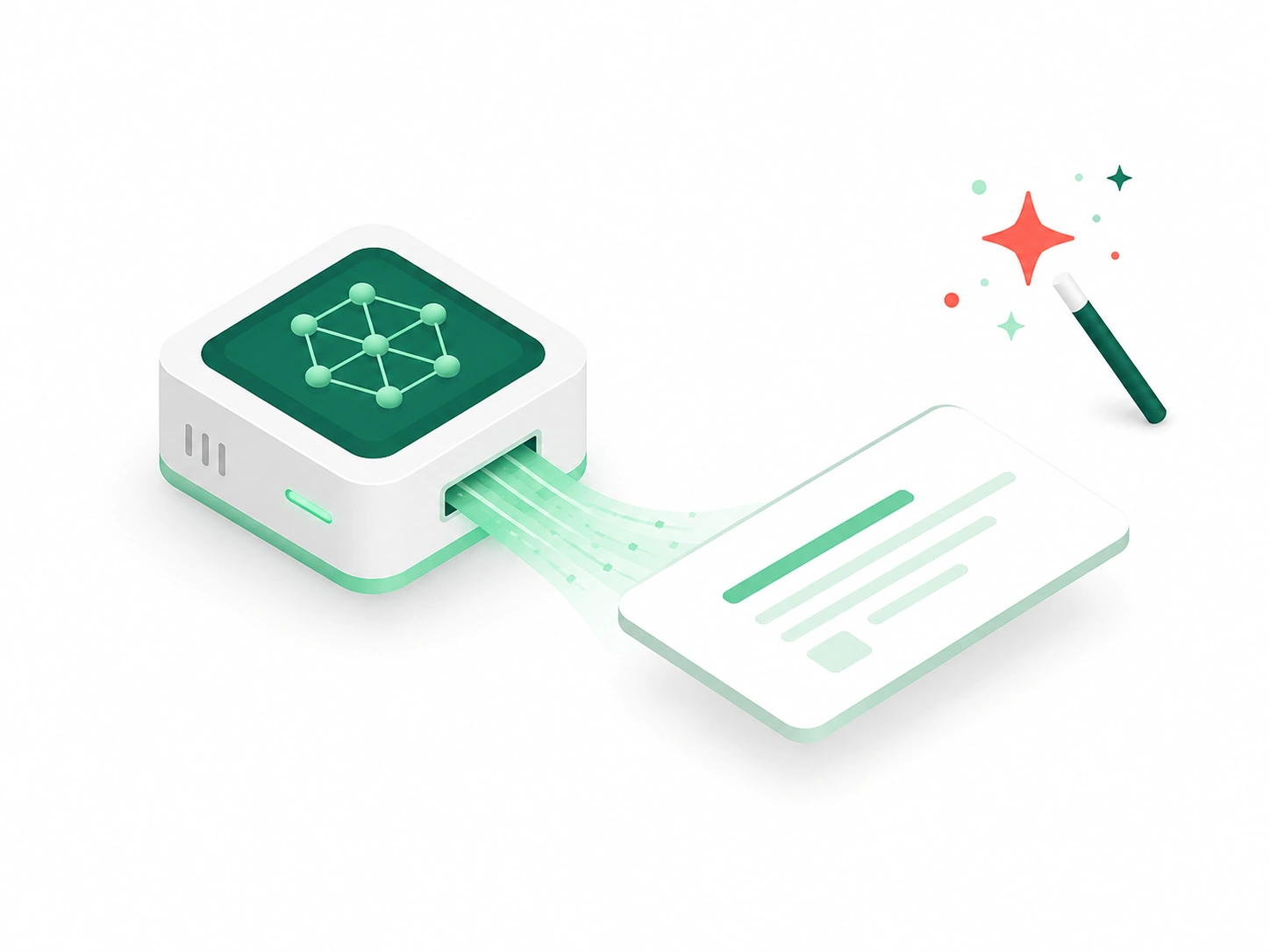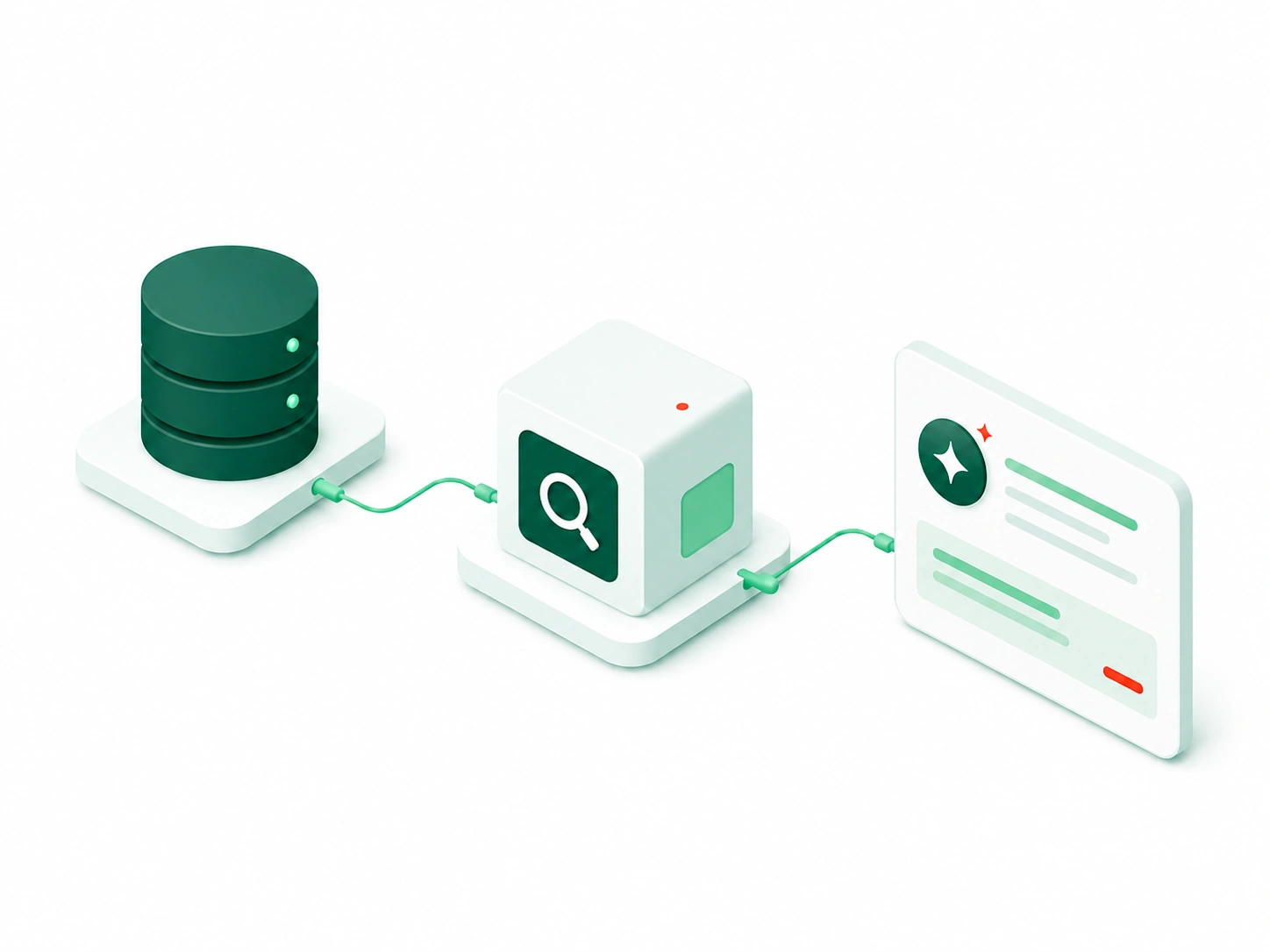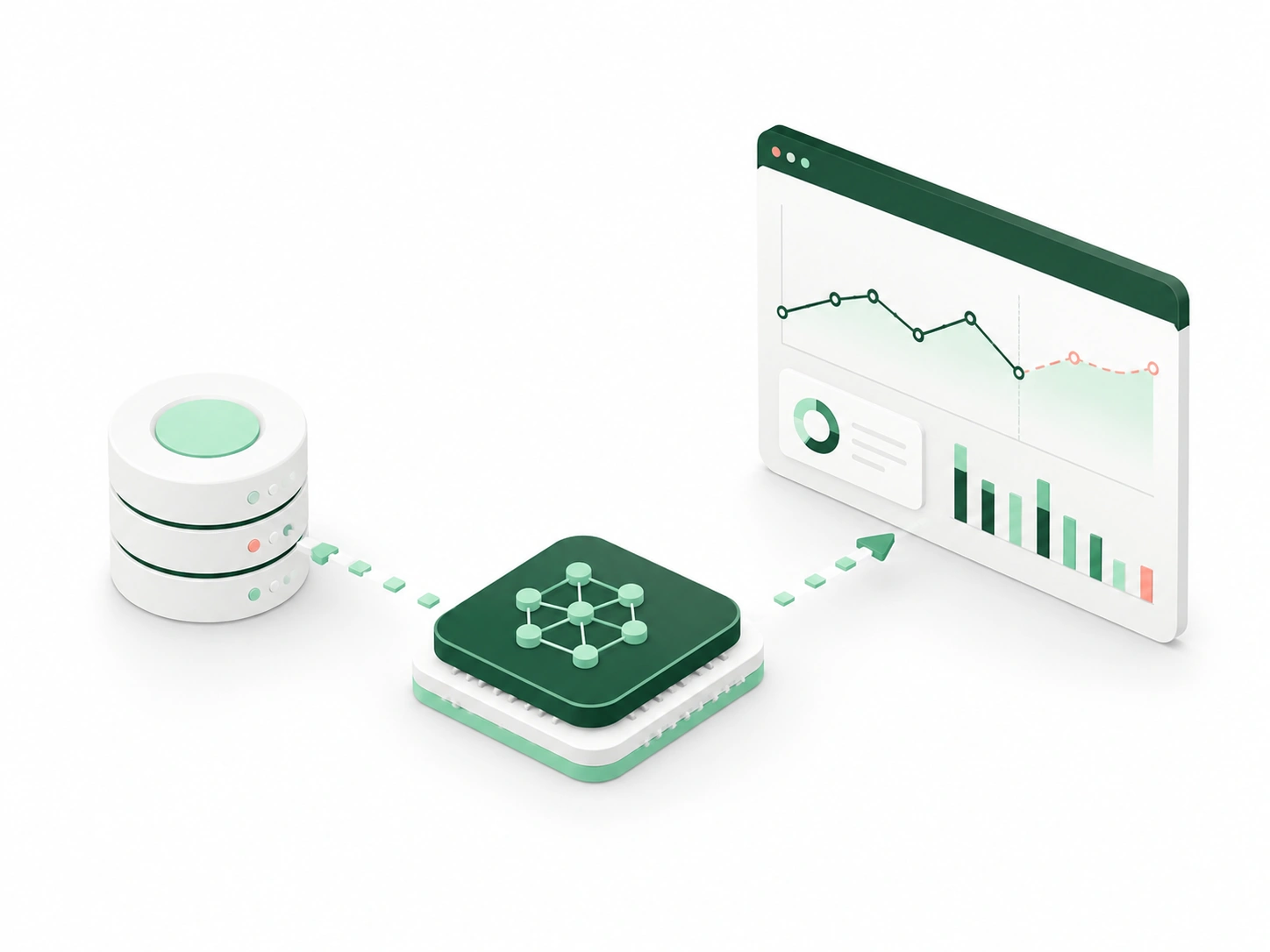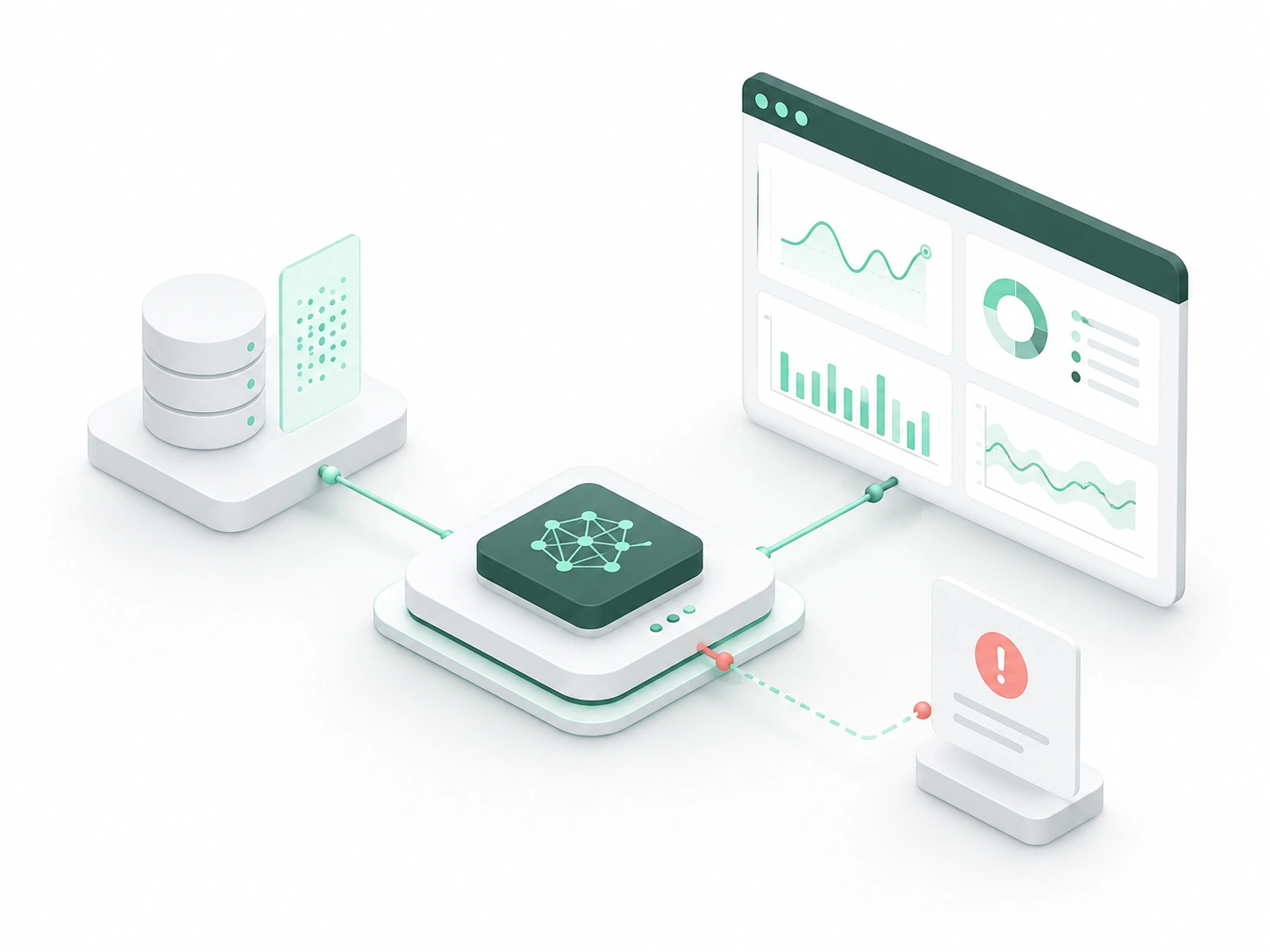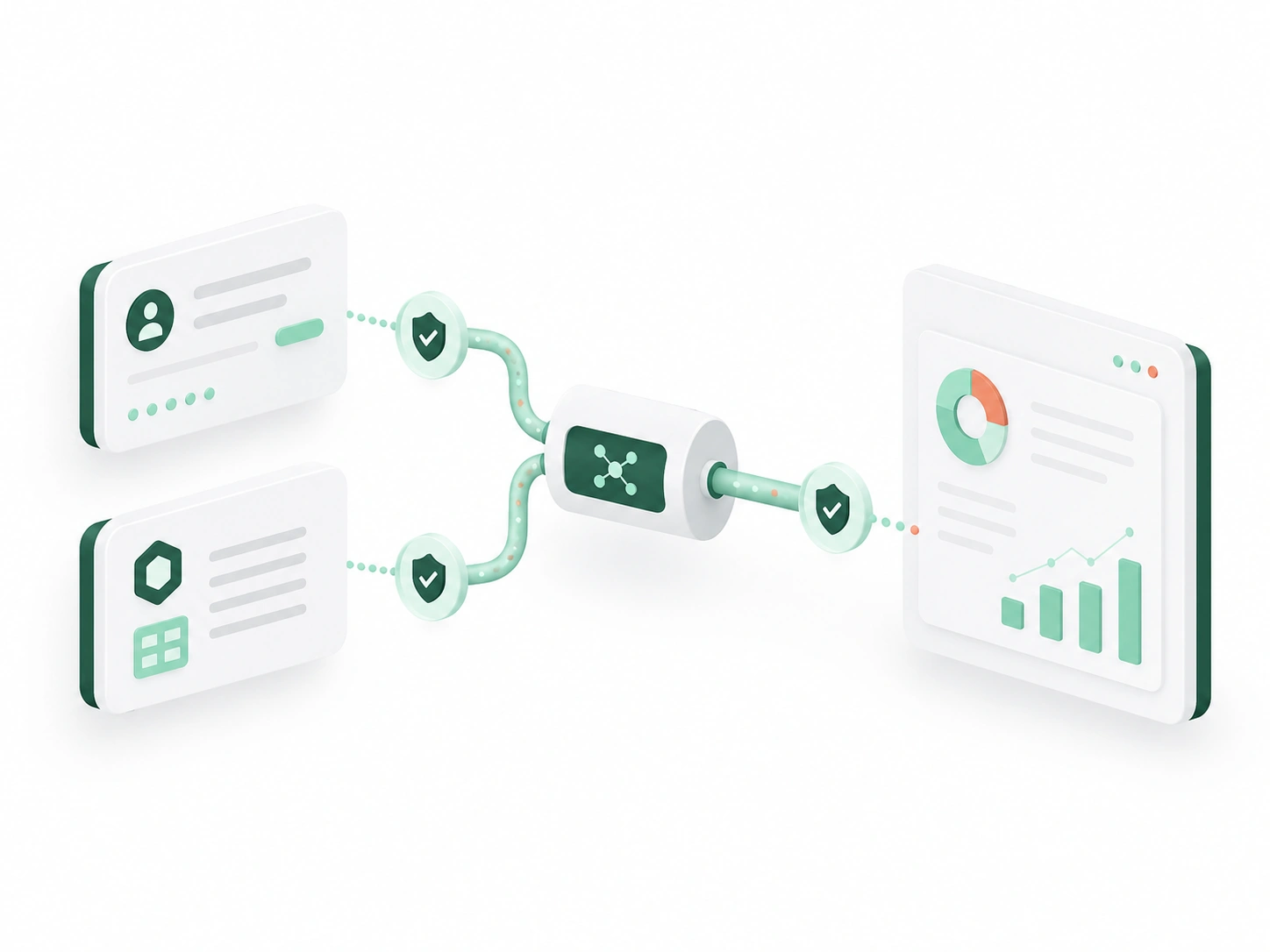
AI-Powered Conversational BI & DataSense Platform
Enabled users to retrieve operational, financial, and project insights through natural language queries, transforming complex data analysis into instant, self-service intelligence.
See case study















Cost guidance informed by a decade of shipped AI projects
A low-risk, fixed-scope pilot to prove value and feasibility on your real data before you commit.
One focused, production-ready model — churn, forecasting, scoring, or a RAG assistant — deployed and integrated.
Data pipelines, full MLOps deployment, and monitoring — a system that survives production, not a notebook.
Multi-model platforms, governance, and scale across teams — priced against the decisions they improve.
Not sure which stage fits your idea?
Book a free discovery callEvery AI project has its own cost centre — for one it is data preparation, for another it is integrations or compliance. Here is what usually drives the budget for each type of build, how the investment compares between them, and how long a first deployed, integrated version typically takes.
| Project type | What drives the cost | Investment level relative | Timeline |
|---|---|---|---|
| AI chatbot / assistantRAG over your docs & data | Volume of documents, how accurate retrieval has to be, and the guardrail tuning your answers need | Entry level | 4–10 wks |
| LLM agent / workflow automationMulti-step, tool-using | How many tools and systems the agent touches, plus error handling for multi-step runs | Moderate | 8–16 wks |
| Custom ML modelPrediction, forecasting, scoring | Data readiness above all — volume, labelling, and how much history needs cleaning | Moderate–high | 10–20 wks |
| Computer vision systemDetection, inspection, OCR | Image collection and annotation, edge or hardware constraints, and the accuracy threshold you must hit | High | 12–24 wks |
| Recommendation / personalizationRanking & relevance | Quality of your event data, real-time serving needs, and the A/B measurement setup | Moderate–high | 10–20 wks |
| Generative AI in-product featureCopilot, drafting, summarization | Prompt and evaluation work, UX iterations, and the per-use running cost once it is live | Entry–moderate | 6–14 wks |
| Data & ML platformPipelines, feature store, MLOps | Number of source systems, governance requirements, and how much MLOps is automated | Highest | 12–28 wks |
Investment levels are relative to each other, not fixed prices — the same project type can land a band higher or lower depending entirely on your data and integrations. Delivered by VOCSO’s India-based senior teams, the same production-grade scope typically costs around half what a US or Western agency charges. The cheapest way to find your real number is a scoped pilot against the biggest unknown.
VOCSO lands at roughly half the total not by cutting corners — senior engineering hours simply cost less in India. How blended engineering rates compare by region:
Same production standards, code review, and delivery discipline — you’re paying less for geography, not for quality.
Four commercial models — we pick the one that fits your scope and how much is still unknown. Most engagements blend a fixed-price pilot with a flexible build after it.
One agreed price for a clearly-defined scope. Budget certainty from day one, no surprises.
Best when scope is clearPay for the hours the work actually takes. Flexible when requirements will change as you learn.
Best for evolving scopeA named AI/ML pod at a fixed monthly rate. Predictable capacity for ongoing, long-term work.
Best for continuous deliveryPay in phases as each deliverable is approved. Funds and de-risks the build stage by stage.
Best for staged fundingTwo companies asking for “an AI assistant” can get quotes 4× apart — honestly. Here’s what accounts for the gap, ordered by how much it moves the number. The percentages are each item’s rough share of a typical build (MLOps is per year).
The single biggest swing. Clean, labelled, accessible data can halve a build; messy or scattered data is where most of the real cost hides — often the largest line item, not the modelling.
Foundation-model API vs fine-tuning vs a model trained from scratch. Each step up adds capability and control — and cost, both to build and to run.
A standalone tool is cheap. Wiring AI into your CRM, ERP, auth, and existing workflows — safely — is where engineering hours accumulate.
“Good enough” is affordable. “Cannot be wrong” or “must answer in 200ms” means more evaluation, redundancy, and testing — and a bigger budget.
HIPAA, SOC 2, GDPR, on-prem or VPC deployment, audit trails. Regulated builds carry real overhead — but it’s predictable when scoped early.
A model isn’t “done” at launch. Monitoring, drift detection, and retraining are a running cost — budget roughly 15–25% of build cost per year.
A budget only means something against what it returns. AI that removes manual hours, prevents costly errors, or lifts conversion tends to pay for itself — often inside the first year.









Enabled users to retrieve operational, financial, and project insights through natural language queries, transforming complex data analysis into instant, self-service intelligence.
See case study  <12 Seconds
  10+ Systems
  Days → Minutes
  95%+
95%+  Fixed-Price PoC
Validate an AI use case with a low-risk, fixed-scope engagement designed to prove value, feasibility, and ROI before committing to a full build.
 4–6 week delivery timeline Defined scope & success criteria Low commitment, fixed scope, fixed budget Executive-ready ROI assessment
 Embedded Engineering Pod
A cross-functional AI team embedded into your environment — working within your processes, security, and tools, month to month as scope evolves.
AI, Data & MLOps specialists Named delivery lead Works within your NDA, VPN & MSA Scalable team composition Project-Based
End-to-end delivery of a defined AI capability with fixed scope, timeline, and commercial terms. Full knowledge transfer and documentation included.
Fixed scope & pricing Defined milestones & deliverables Dedicated project management Knowledge transfer & documentationLet's discuss the right engagement model for your project?
Book a call
First-hand experiences from firms that invested in AI and achieved measurable results.
View all client testimonials“Vocso team has really creative folks and is very co-operative to implement client project expectations. MicroSave Consulting had great experience working with Anju and Prem.”

“Working with Deepak and his team at Vocso is always a pleasure. They employ talented staff and deliver professional quality work every time.”

“We love how our website turned out! Thank you so much VOCSO Digital Agency for all your hard work and dedication.”

“VOCSO SEO & SEM services helped me find new customers in a small budget. Their advanced SEO strategies made us visible to everyone.”

“Vocso team has really creative folks and is very co-operative to implement client project expectations. MicroSave Consulting had great experience working with Anju and Prem.”
“Working with Deepak and his team at Vocso is always a pleasure. They employ talented staff and deliver professional quality work every time.”
“We love how our website turned out! Thank you so much VOCSO Digital Agency for all your hard work and dedication.”
“VOCSO SEO & SEM services helped me find new customers in a small budget. Their advanced SEO strategies made us visible to everyone.”
VOCSO delivered exactly what they promised—within our budget, on schedule, and with the quality we expected.







 Transparency on every decision Talented Team of AI Engineers Smooth Collaboration & Reporting Efficient & Adaptive Workflow Strict Privacy Assurance with NDA 12 Months Free Post-Launch Support On-time Delivery, No Surprises ISO 27001 Certified Engineering
Most builds start with a short scoping call — we map your use case to a fixed-scope pilot and a real budget range, usually within a day. You get a clear number and timeline before you commit. No open-ended contracts. No ambiguous scope.
deepak@vocso.com — no forms, no funnels.
For most companies, a single focused model — churn, forecasting, scoring, or a RAG assistant — runs $20,000–$60,000, while a broader build with data pipelines, full MLOps, and monitoring runs $60,000–$150,000+. A proof of concept to validate the idea on your real data starts at $12,000–$20,000. The biggest variables are your data readiness and how deeply the system integrates with your existing tools, so every engagement opens with a free 30-minute discovery call before any number is fixed.
Mostly data readiness and integration depth. A clean-data, standalone tool is a fraction of the cost of one trained on messy data and wired into your CRM, authentication, and compliance requirements. Two companies can ask for “an AI assistant” and get quotes 4× apart for exactly these reasons. That is why we scope a short discovery step before quoting — it usually saves money and removes surprises later.
A fixed-price proof of concept that targets the single biggest unknown. For $12,000–$20,000 over about six weeks, you validate feasibility on your real data, get concrete cost data for the full build, and avoid over-committing budget to something unproven. It is the lowest-risk way to turn an idea into a costed, evidence-based plan.
Upfront, almost always yes — an API-based build ships faster and cheaper. But at high call volumes the per-request cost adds up, and a fine-tuned or custom model can be cheaper to run long-term, as well as more private and controllable. We model both your build cost and your ongoing run cost before you commit, so the decision is based on your actual usage rather than a rule of thumb.
Plan for roughly 15–25% of the build cost per year. That covers model or API inference, cloud infrastructure, monitoring, and periodic retraining as your data and the world shift. A model degrades quietly rather than failing loudly, so this ongoing care is what keeps its predictions trustworthy — we define operational ownership and running cost before go-live, not after.
Significantly. Clean, labelled, accessible data lowers cost and shortens the timeline. Sparse, messy, or unlabelled data means more data engineering and labelling work — often the single largest line item in a project, ahead of the modelling itself. We assess your data in discovery so this is scoped honestly upfront and there are no surprises mid-build.
Beyond the build, budget for model or API inference (which scales with usage), cloud infrastructure, monitoring and alerting, and periodic retraining. For regulated builds, add compliance and security overhead. None of these are surprises when scoped early — we lay out both the one-time build cost and the recurring run cost so the total cost of ownership is clear from day one.
Yes. Once scope is clear — usually after a short discovery sprint — we offer milestone-based fixed pricing so you have budget certainty. For evolving scope where requirements will change as you learn, an embedded engineering pod or staff-augmentation model fits better and keeps you flexible month to month.
A scoped proof of concept runs in about six weeks. A production system typically takes 10–16 weeks: roughly 2 weeks discovery and data assessment, 3–5 weeks data preparation and modelling, 3–4 weeks deployment and MLOps, then evaluation, pilot, and production. The biggest variable is data readiness, which we scope upfront so the timeline — and the cost tied to it — is honest.
A free 30-minute strategy call to understand the problem, your data, and your constraints — then a written scope and estimate. There's no obligation, and you keep the plan whether or not you build with us. It's the fastest way to replace a range with a real number for your project.
Discover complementary services that pair with your AI build — from computer vision and NLP to integration, MLOps, and AI strategy.